Begleiten Sie uns auf eine literarische Weltreise!
Buch zum Bücherregal hinzufügen
Grey
Einen neuen Kommentar schreiben Default profile 50px
Grey
Jetzt das ganze Buch im Abo oder die ersten Seiten gratis lesen!
All characters reduced
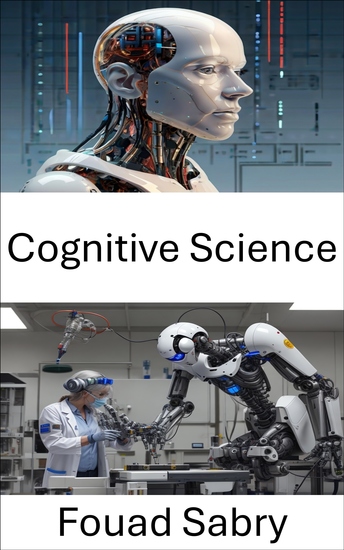
Cognitive Science - Understanding Humanlike Decision Making in Artificial Systems - cover

Cognitive Science - Understanding Humanlike Decision Making in Artificial Systems

Fouad Sabry

Verlag: One Billion Knowledgeable

  • 0
  • 0
  • 0

Beschreibung

Explore the fascinating intersection of cognitive science and robotics with "Cognitive Science," a comprehensive guide in the Robotics Science series. This book presents key insights into how the mind works, artificial intelligence, and cognitive models that shape cuttingedge robotics. Whether you're a professional, a student, or an enthusiast, this work offers valuable knowledge for anyone interested in advancing their understanding of the cognitive mechanisms behind intelligent systems.
 
Chapters Brief Overview:
 
1: Cognitive science: Introduction to cognitive science and its role in understanding intelligent behavior.
 
2: Cognitive neuroscience: A look at how the brain's structure and functions relate to cognitive processes.
 
3: Cognition: Exploring mental processes such as perception, memory, and decisionmaking.
 
4: Artificial consciousness: Delving into the possibility and challenges of creating conscious machines.
 
5: Connectionism: Examining neural networks and how they model human cognition.
 
6: Cognitive model: Insight into computational models designed to simulate human cognitive functions.
 
7: Language of thought hypothesis: Understanding the theory that the mind uses a languagelike system for thinking.
 
8: ACTR: An overview of the Adaptive Control of ThoughtRational framework in cognitive science.
 
9: Dynamical systems theory: How dynamic systems theories explain cognitive processes and behavior.
 
10: Cognitive architecture: Examining the underlying structures that support intelligent behavior in artificial systems.
 
11: Computational cognition: Analyzing how computational models are used to simulate cognitive processes.
 
12: Neurophilosophy: The intersection of neuroscience and philosophy in understanding the mind.
 
13: Cognitive revolution: How cognitive science emerged as a dominant field in psychology and related sciences.
 
14: Stephen Grossberg: A deep dive into Grossberg's contributions to neural networks and cognitive modeling.
 
15: Computational theory of mind: Understanding the mind as an informationprocessing system through computational theory.
 
16: Embodied cognitive science: Exploring the role of the body in cognitive processes and intelligence.
 
17: Ron Sun: A look at Ron Sun’s work in cognitive architectures and modeling intelligent systems.
 
18: Basic science (psychology): The foundation of cognitive science grounded in psychological principles.
 
19: Embodied cognition: An examination of how cognition is shaped by bodily experiences and interactions with the environment.
 
20: Cognitive psychology: An overview of cognitive psychology’s role in understanding human cognition.
 
21: Neuroscience: A deeper look at the brain’s neural mechanisms and their contribution to cognition.
 
This book provides a thorough understanding of how cognitive processes inform the development of robotic systems. It is essential reading for anyone aiming to grasp the theoretical and practical underpinnings of artificial intelligence and robotics. The knowledge in this book is more than just academic—it's a crucial resource for both understanding and building the next generation of intelligent machines.
Verfügbar seit: 02.01.2025.
Drucklänge: 281 Seiten.

Weitere Bücher, die Sie mögen werden

  • Sea of Troubles - The European Conquest of the Islamic Mediterranean and the Origins of the First World War - cover

    Sea of Troubles - The European...

    Ian Rutledge

    • 0
    • 0
    • 0
    In the mid-eighteenth century, most of the Mediterranean coastline and its hinterlands were controlled by the Ottoman Empire, a vast Islamic power regarded by Christian Europe with awe and fear. By the end of the First World War, however, this great civilisation had been completely subjugated, and its territories occupied by European powers. Sea of Troubles is the definitive account of the European conquest of the Levant and North Africa over three centuries. Ian Rutledge reveals the intense imperial rivalry between six European powers - Britain, France, Italy, Spain, Austria-Hungary and Russia - who all jostled for control of the trade, lands and wealth of the Islamic Mediterranean. The competition between these states made their conquest a far more difficult and extended task than they encountered elsewhere in the world. Yet, as new contenders entered the contest, and as rivalries intensified in the early twentieth century, events would spiral out of control as the continent headed towards the First World War.
    Zum Buch
  • The Olive Harvest - A Memoir of Love Old Trees and Olive Oil in the South of France - cover

    The Olive Harvest - A Memoir of...

    Carol Drinkwater

    • 0
    • 0
    • 0
    The story of life on a French olive farm continues with this moving memoir of hard work, hard luck, and waiting for the return of happiness. Carol Drinkwater and her husband, Michel, arrive at their villa in Provence in anticipation of another glorious summer. Unfortunately, they find the farm unkempt and suffering from lack of rainfall. When their gardener, Monsieur Quashia, finally shows up, he cheerfully explains the shed-building project he’s working on as a surprise for them—a surprise that will send their expenses skyrocketing. But there are bigger problems to come than wild boars tearing through fences and other everyday challenges of farming. After a terrifying accident in Monte Carlo and a hospital stay, Michel is barely functional, and Carol soon realizes she must fend for herself. Burdened with problems from a financial reversal to the threat of nearby wildfires, she will experience firsthand the uncertainties that have plagued farmers since the dawn of agriculture—and hold on to hope that in the end, nature will provide. “A storyteller of great economy and deftness.” —The Telegraph
    Zum Buch
  • Fishpond - The Best Tips to Take Care of Fish for Beginners - cover

    Fishpond - The Best Tips to Take...

    Tim Fenders

    • 0
    • 0
    • 0
    Imagine stepping into your backyard and being greeted by a tranquil oasis filled with shimmering water, vibrant aquatic life, and the soothing sounds of nature. This is the world of fishponds, a captivating and rewarding endeavor that brings the beauty of aquatic ecosystems right to your doorstep. 
    For centuries, humans have been drawn to water, finding solace and fascination in its depths. Fishponds offer a unique opportunity to create a harmonious balance between nature and design, transforming an ordinary outdoor space into a vibrant aquatic paradise. Whether you're a seasoned aquarist or a beginner looking to embark on a new hobby, this book is your guide to the fascinating realm of fishpond ownership and the art of caring for fish. 
    In the chapters that follow, we will explore every aspect of fishpond creation and maintenance, from selecting the perfect location and designing a stunning aquatic landscape to nurturing a thriving community of fish and plants. You'll learn about the delicate balance of water quality, the secrets of a healthy and vibrant ecosystem, and the joys and challenges of fishkeeping. 
    Throughout this journey, you'll gain the knowledge and skills needed to maintain a pristine environment for your fish while fostering a deeper connection with nature. Fishponds are not merely decorative water features; they are living ecosystems that invite you to become a steward of the aquatic world. 
    As you turn the pages of this book, we invite you to dream, plan, and embark on a rewarding adventure. Whether your goal is to create a peaceful retreat, a haven for wildlife, or a stunning centerpiece for your property, your fishpond journey begins here. Welcome to the enchanting world of fishponds—let's dive in together.
    Zum Buch
  • Meat Me Halfway - How Changing the Way We Eat Can Improve Our Lives and Save Our Planet - cover

    Meat Me Halfway - How Changing...

    Brian Kateman, Bill McKibben

    • 0
    • 0
    • 0
    We know that eating animals is bad for the planet and bad for our health, and yet we do it anyway. Ask anyone in the plant-based movement and the solution seems obvious: stop eating meat. But, for many people, that stark solution is neither appealing nor practical. In Meat Me Halfway, author and founder of the reducetarian movement Brian Kateman puts forth a realistic and balanced goal: mindfully reduce your meat consumption. It might seem strange for a leader of the plant-based movement to say, but meat is here to stay. The question is not how to ween society off meat but how to make meat more healthy, more humane, and more sustainable. In this book, Kateman answers the question that has plagued vegans for years: why are we so resistant to changing the way we eat, and what can we do about it? Exploring our historical relationship with meat, from the domestication of animals to the early industrialization of meatpacking, to the advent of the one-stop grocery store, the science of taste, and the laws that impact our access to food, Meat Me Halfway reveals how humans have evolved as meat-eaters. Featuring interviews with pioneers in the science of meat alternatives, investigations into new types of farming designed to lessen environmental impact, and innovations in ethical and sustainable agriculture, this down-to-earth book shows that we all can change the way we create and consume food.
    Zum Buch
  • Natural Homemade Beauty - 90 Recipes for Skin Hair and Home - cover

    Natural Homemade Beauty - 90...

    Leoniek Bontje

    • 0
    • 0
    • 0
    A beautifully designed instructive guide to creating luxurious, safe and effective beauty products using ingredients from nature. 
    In this charming book you'll discover how to prepare an abundant range of products using plants and flowers, many of which you'll be able to find around you or grow yourself. It includes comprehensive, easy-to-follow recipes for: 
    
    - Rich moisturising cream with daisy extract
    - Camomile based shampoo for glossy hair
    - Sugar and honey body scrub
    - Ginger oil for blemish controlYou will find a wealth of other delights such as body butter, hair conditioner, lip balm, deodorant, bath oil and even toothpaste. Also included is a selection of fragrance products for your home, such as a lavender and pine room spray made with vodka.
    Each easy-to-follow recipe gives a complete description of the product-making process so you can't go wrong. There are handy visual guides to the plants you'll be using, accompanied by ravishing photography. Armed with this book you'll be able to create a whole beauty counter of products, both for yourself and for gifting, and you'll save money too!
    Zum Buch
  • Living Medicine - Don Thomas Marrow Transplantation and the Cell Therapy Revolution - cover

    Living Medicine - Don Thomas...

    Dr. Fred Appelbaum

    • 0
    • 0
    • 0
    A sweeping biography of the visionary behind bone marrow transplantation and the story of the diseases cured by Don Thomas's discovery. In the last half of the twentieth century, Thomas himself discovered a cure for every marrow-based disease—like leukemia, lymphoma, and sickle-cell anemia—forever changing treatment for some of the deadliest illnesses. His feats were extraordinary, earning him a Nobel Prize, and the cascade of treatments he inspired have reshaped and will continue to reshape the practice of clinical medicine. Yet no one has ever written Thomas’s courageous story. Dr. Frederick R. Appelbaum, a member of Thomas’s research team, does so for the first time in Living Medicine: Don Thomas, Marrow Transplantation, and the Cell Therapy Revolution. Bone marrow transplantation has now saved over a million lives, but when Thomas first had the idea, he was met with disbelief by the scientific community. Appelbaum, informed by decades in the field and personal connection with Thomas, tells us the secrets to Thomas’s success: his unique characteristics, how he created an effective team of researchers, and how he overcame the technical obstacles of marrow transplantation. Appelbaum tells a bigger story, too, of the scientific and societal implications of this achievement, which are critical for scientific and lay readers alike so that we all might be better informed of how far our medical progress has come and will go.
    Zum Buch