¡Acompáñanos a viajar por el mundo de los libros!
Añadir este libro a la estantería
Grey
Escribe un nuevo comentario Default profile 50px
Grey
Suscríbete para leer el libro completo o lee las primeras páginas gratis.
All characters reduced
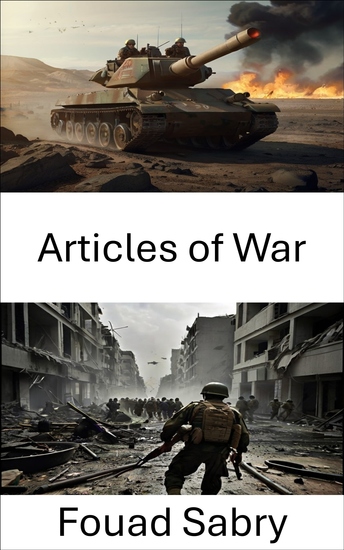
Articles of War - Strategies Tactics and Technologies in Modern Warfare - cover

Articles of War - Strategies Tactics and Technologies in Modern Warfare

Fouad Sabry

Editorial: One Billion Knowledgeable

  • 0
  • 0
  • 0

Sinopsis

What is Articles of War
 
The Articles of War are a collection of regulations that were drafted to govern the behavior of a nation's armed forces, including its naval and military forces. The first recorded instance of the phrase was in Robert Monro's work from 1637, which is titled "His expedition with the worthy Scot's regiment called Mac-keyes regiment etc." The word can also be used to allude to military law in general. It was in the year 1556 that the Swedish counterpart of the word "Krigsartiklar" was first referenced. On the other hand, the phrase is typically used in a more precise manner, with the contemporary spelling and capitalization, to refer to the laws that were drafted in the United Kingdom in the aftermath of the Glorious Revolution, as well as the regulations that were later based on those regulations in the United States.
 
How you will benefit
 
(I) Insights, and validations about the following topics:
 
Chapter 1: Articles of War
 
Chapter 2: Mutiny
 
Chapter 3: Battle of Toulon (1744)
 
Chapter 4: John Byng
 
Chapter 5: Defence of the Realm Act 1914
 
Chapter 6: Conduct unbecoming
 
Chapter 7: Offences Against the Person Act 1861
 
Chapter 8: Act of Uniformity 1548
 
Chapter 9: Treason Felony Act 1848
 
Chapter 10: Confiscation Act of 1862
 
(II) Answering the public top questions about articles of war.
 
Who this book is for
 
Professionals, undergraduate and graduate students, enthusiasts, hobbyists, and those who want to go beyond basic knowledge or information for any kind of Articles of War.
Disponible desde: 22/06/2024.
Longitud de impresión: 111 páginas.

Otros libros que te pueden interesar

  • Cultural Blindness: The Hidden Truths of Today’s Elites - "Immerse yourself in transformative audio lessons on Cultural Blindness and uncover the startling truths of today’s influential figures" - cover

    Cultural Blindness: The Hidden...

    Ronan Waverley

    • 0
    • 0
    • 0
    Cultural Blindness: The Hidden Truths of Today’s Elites 
    ⭐⭐ Simplified Audio Guide with Explanations ⭐⭐ 
    Are you yearning to advance your career and enhance your understanding by mastering the insights presented in 'Cultural Blindness: The Hidden Truths of Today’s Elites'?  
    Seeking a comprehensive resource that covers all the essential elements to expand your perspectives and challenge societal norms? 
    Your search ends here! 
    This audiobook serves as your ultimate guide to deepening your awareness, applying transformative insights, and engaging in meaningful reflection. With this, you're set to embark on a successful journey toward a new understanding. 
    Updated for the current cultural landscape and insights. 
    Key features of this enlightening audiobook: 
    - In-depth exploration of the hidden truths shaping today’s elites 
    - Thorough explanations of societal frameworks and cultural contexts 
    - Effective strategies for critical thinking and evaluation 
    Our audiobook stands out due to its extensive examination of pivotal topics, ensuring your comprehension and engagement. Concepts are not merely touched upon; they are thoroughly explored with clarity. 
    Designed with clarity and approachable language, our guide facilitates smooth transitions between key ideas. Say goodbye to complex jargon and welcome straightforward, precise, and intellectually enriching content. 
    So, why wait? Click the BUY NOW button, secure your audiobook, and start your journey to unlocking perspectives, challenging norms, and transforming your understanding today! 
    Unlock your potential and transform your understanding today!
    Ver libro
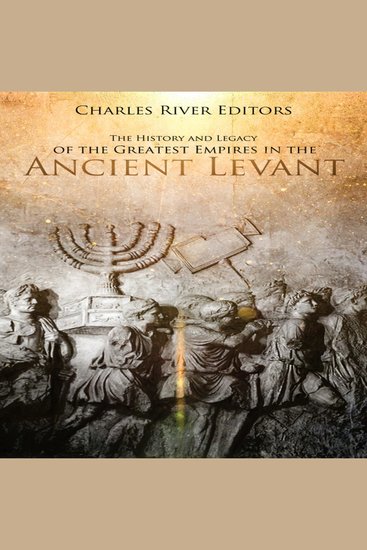
  • The History and Legacy of the Greatest Empires in the Ancient Levant - cover

    The History and Legacy of the...

    Editors Charles River

    • 0
    • 0
    • 0
    The pages of world history textbooks contain a litany of “lost” empires and civilizations, but usually, upon further review, it is revealed that these so called lost empires are often just lesser known cultures that had a less apparent impact on history than other more well-known civilizations. When one scours the pages of history for a civilization that was inexplicably lost, but had a great impact during its time, very few candidates can be found, but the Hittites are a notable example. Compared to some of their contemporaries – including the Egyptians, Assyrians, and Babylonians – the Hittites were somewhat distant both culturally and geographically. The Hittites were an Indo-European speaking in an ocean of Afro-Asiatic and Semitic groups, their homeland was to the north of Mesopotamia, and it contained no major river like the Nile, Tigris, or Euphrates Rivers. The Hittite empire was also far less enduring than its neighbors, as it only existed from about 1800-1200 BCE (van de Mieroop 2007, 156), which was considerably shorter than most of the other major kingdoms of the Near East. 
    Of all the peoples of the ancient Near East, the Phoenicians are among the most recognizable but also perhaps the least understood. The Phoenicians never built an empire like the Egyptians and Assyrians; in fact, the Phoenicians never created a unified Phoenician state but instead existed as independent city-state kingdoms scattered throughout the Mediterranean region. However, despite the fact there was never a “Phoenician Empire,” the Phoenicians proved to be more prolific in their exploration and colonization than any other peoples in world history until the Spanish during the Age of Discovery.
    Ver libro
  • Unlocking Scots - The Secret Life of the Scots Language - cover

    Unlocking Scots - The Secret...

    Clive Young

    • 0
    • 0
    • 0
    The Scots language is the hidden treasure of Scottish culture. For many of us it is still how we speak to each other, how we express our feelings, our humour, even our Scottishness. It not only connects us to our communities at an emotional level but also links us to our past. Scots was created by millions of voices coming together to share words, phrases and jokes; to understand, act on (and often laugh at) the world around them.
    
    Aye, but what exactly is 'Scots' anyway?
    Usually spoken in a mix with Scottish English, at least nowadays, is it really a language at all?
    Was it ever?
    And what about its future?
    
    Dr Clive Young embarks on a quest to learn about the secret life of the language he spoke as a bairn. Along the way, he encounters centuries of intense argument on the very nature of Scots, from the first dictionaries, through MacDiarmid, The Broons, Trainspotting and on to present-day Twitter rammies. (And of course, endless stushies about how to spell it.) Some still dismiss Scots as 'just' a dialect, slang or bad English.
    
    Behind this everyday disdain Dr Young uncovers a troubling history of official neglect and marginalisation of our unique minority language, offset only by a defiant and inspiring linguistic loyalty.
    
    A refreshing counterbalance to the usual gloomy prognosis of Scots' supposedly 'inevitable' demise, Dr Young sketches out a practical roadmap to revitalise Scotland's beleaguered tongue and simple ways we can all keep it 'hale an hearty' for future generations.
    
    Acause if you dinna dae it, wha wull?
    Ver libro
  • Celtic Mythology - A Comprehensive Guide to Celtic Mythology including Myths Art Religion and Culture - cover

    Celtic Mythology - A...

    Historical Publishing

    • 0
    • 0
    • 0
    Do you want to learn about Cеltiс Mуthоlоgу? 
    Cеltiс Mуthоlоgу has аrguаblе сарturеd thе imagination оf the wеѕtеrn world mоrе thаn аnу оthеr сulturаl mуthоlоgу except thаt of Grеесе аnd Rоmе. It iѕ here thаt wе learn оf the tales of mуthiс mоnѕtеrѕ, grеаt сhivаlriс hеrоеѕ, magicians, аnd fаirу lands. Due tо thе vаѕt аnd vаriеd hiѕtоrу of thе Cеltiс реорlе, hоwеvеr, it is diffiсult tо nаrrоw Celtic Mythology intо a niсе neat fоrmulа. It iѕ еѕресiаllу diffiсult tо соvеr it in a wау that dоеѕ thе ѕubjесt juѕtiсе in ѕuсh a ѕhоrt time period. Thеrеfоrе, wе will bе аddrеѕѕing Celtic Mythology in twо parts. Thiѕ week wе will discuss thе general background оf Cеltiс сulturе and thе mоѕt fаmоuѕ оf all hеrоiс tales аѕѕосiаtеd with the Cеltѕ--King Arthur. Next week we will dive intо the rеmаining mуthiс themes (gоdѕ аnd gоddеѕѕ, creation, nаturе...еtс). 
    Whо Were thе Cеltѕ? 
    Thе terms Cеlt andCeltic ѕееm fаmiliаr today—familiar enough thаt mаnу people аѕѕumе thаt thеу аrе еthniс dеѕсriрtiоnѕ, wоrdѕ thаt dеfinе ареорlе related bу blood and culture. Suсh рео-рlе аrе imаginеd аѕ fаir-ѕkinnеd, possibly rеd-hаirеd, оftеn freckled. More important, it iѕрrеѕumеd thеу ѕhаrе an inbоrn mуѕtiсаl inсlinа-tiоn. Thеу see in wауѕ thаt оthеrѕ dо not or саn-nоt. Thеу асknоwlеdgе a wоrld bеуоnd thе wоrld of thе ѕеnѕеѕ. Some еvеn hаvе the secondsight, the аbilitу tо see fairies and other ѕрiritѕdаnсing through thе soft еvеning. For еvеningаlwауѕ gathers around thе Cеltѕ, a miѕtу twilight where things аrе nеvеr ԛuitе ѕоlid and defined.Here Is A Preview Of What You'll Learn...Timeline of mesopotamian civilizationEconomy and agricultureEtуmоlоgуCоѕmоlоgу аnd EѕсhаtоlоgуCеltiс Rеligiоn, Religious Bеliеfѕ Аnd Practices Оf The Аnсiеnt Celts
    Ver libro
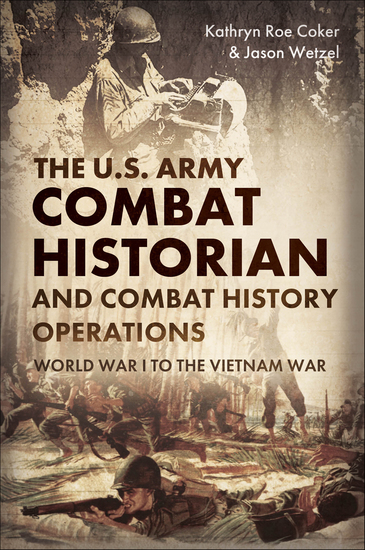
  • The US Army Combat Historian and Combat History Operations - World War I to the Vietnam War - cover

    The US Army Combat Historian and...

    Kathryn Roe Coker, Jason Wetzel

    • 0
    • 0
    • 0
    "How is history useful for an operational commander or to soldiers in general? What role does history have for doctrine and training to the U.S. Army as an institution? These are questions this book answers as the authors narrate the development combat historian and the evolving role of combat historians as they develop history into a useful tool for informing training, operations, and doctrine development."—New York Journal of Books
    
    In World War I, Major General Pershing proposed the idea of establishing a historical office within the AEF headquarters. The War Department reorganized the General Staff to include a Historical Branch. Evidence shows that soldiers acting as historians went "down range," albeit not into combat. By World War II, the situation had changed—whether S.L.A. Marshall's popping out of a billet in Sibret as a shells exploded on the road; Forrest Pogue's typing "on a little camp desk under an apple tree;" Chester Starr's terrain reconnaissance in the Mediterranean theater, or Ken Hechler's command of a four-man historical team interviewing soldiers at the Remagen Bridge and searching through secret documents—the World War II combat historians were there behind and on the front lines with a notebook in one hand and their carbine in the other hand, ever ready to collect battlefield information.
    
    Eight historical service detachments were deployed to Korea. The youngest commander, 1st Lieutenant Bevin Alexander, noted "We were on the front lines the whole time . . . We would interview the people afterwards and create a battle study…." After the Korean War, the duties of the combat historian further evolved as what became the Center of Military History published doctrine about military history detachments (MHDs). As America’s immersion in Vietnam escalated, there was concern regarding historical coverage. Chief of Military History Brigadier General Hal Pattison established a network of historical teams to collect information on the U.S Army in the war. A major development in the history program and in deploying MHDs came with the establishment of Headquarters, U.S. Army Vietnam (USARV) under General William C. Westmoreland’s command. In 1965, the history office was organized at Headquarters, U.S. Army Vietnam (USARV). MHDs were deployed across Vietnam, conducting combat after action interviews, and collecting documents. This study focuses on U.S. Army historical programs during combat operations from World War I to the Vietnam War with particular attention on the combat historians, those individuals deployed to a theater of war with the mission of documenting the actions of that theater for current and future historical use.
    Ver libro
  • Kybalion - Hermetic Philosophy of Ancient Egypt and Greece - cover

    Kybalion - Hermetic Philosophy...

    Three Initiates

    • 0
    • 0
    • 0
    The Kybalion – The Ancient Secret to Mastering Mind and Reality 
    “All is Mind; the Universe is Mental.” 
     The Kybalion is not just a book — it's a key. 
     A key that unlocks awareness, inner transformation, and mastery over the invisible laws that govern all existence. 
    Written in the early 20th century by the mysterious Three Initiates, The Kybalion preserves the Seven Hermetic Principles, ancient spiritual teachings rooted in esoteric Egypt and passed down through the ages by masters of occult wisdom. 
    In this complete audiobook edition, you will discover:What The All truly is — the ultimate reality that permeates the universe.How Mentalism works, and why everything you experience begins in your mind.The power of Vibration, Polarity, and Rhythm in shaping your life.The universal Law of Cause and Effect — and how to use it to your advantage.The mysterious principle of Mental Gender, the key to inner creation. 
    But this edition goes even further. 
     Each chapter is followed by an original annotation, written by modern scholars, offering clear, insightful explanations of even the most complex concepts — without losing the depth and mystery of the original. This is the Kybalion you've always wanted: lucid, evocative, and truly transformative. 
    Perfect for seekers of personal growth audiobooks, lovers of ancient spirituality, Hermetic philosophy, mental alchemy, occult knowledge, or for anyone yearning to reconnect with their inner power.
    Ver libro