¡Acompáñanos a viajar por el mundo de los libros!
Añadir este libro a la estantería
Grey
Escribe un nuevo comentario Default profile 50px
Grey
Suscríbete para leer el libro completo o lee las primeras páginas gratis.
All characters reduced
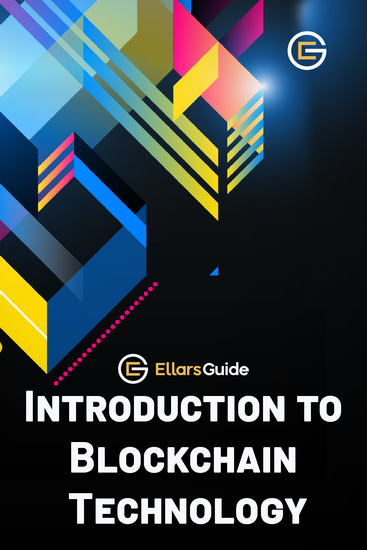
Introduction to Blockchain Technology - cover

Introduction to Blockchain Technology

ELLARS Guide

Editorial: ELLARS Studios

  • 0
  • 0
  • 0

Sinopsis

"Introduction to Blockchain Technology" is an ebook that serves as a gateway into the fascinating world of blockchain. It aims to equip readers with the knowledge necessary to fully comprehend the revolutionary potential of blockchain. The book covers various aspects of blockchain technology, including its definition, brief history, importance, and key features. It also explores the impact of blockchain on industries, society, and the fourth industrial revolution. By reading this ebook, you'll gain a deeper understanding of blockchain and be inspired to explore its limitless potential.
Disponible desde: 27/12/2023.
Longitud de impresión: 170 páginas.

Otros libros que te pueden interesar

  • Don't Bite the Apple Eve - cover

    Don't Bite the Apple Eve

    Kimolee Eryn

    • 0
    • 0
    • 0
    Don't Bite The Apple, Eve is a book of prose, poetry, musings, statements of my beliefs, hopes and experiences. It shares a delicate combination of past darkness and future light through stories of self, family, love and faith.
    Ver libro
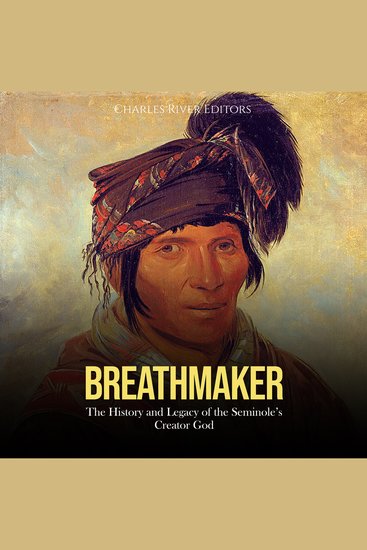
  • Breathmaker: The History and Legacy of the Seminole’s Creator God - cover

    Breathmaker: The History and...

    Editors Charles River

    • 0
    • 0
    • 0
    The Seminole tribe is one of the best known Native American tribes, and one of the most feared among 19th century Americans and Spaniards. In fact, the origin of the term Seminole comes from a Spanish description of them as “wild”, which belies the fact that the Seminole had friendly relations with the British and Spanish during the colonial era.  
    	To appreciate Seminole Native American mythology, their history and origins must be understood. Their forebears, the Muscogee, first migrated into what is now the Southeastern United States from various points in the north and west, which they accomplished by overpowering the indigenous inhabitants. The region was already occupied by several groups, including the Yuchi and Hitchiti, tribes that were likely descendants of the Moundbuilders. These tribes were subdued and then integrated into the Muscogee system. Thus, the traditions, beliefs, rituals, and mythologies of these various groups became the communal belief system of the Muscogee collective.  	 
    	According to the Muscogee, humans emerged “somewhere in the west,” a location described as the “foundation of all things” or the “backbone” of the Earth. Most scholars associate this location with the Rocky Mountains, and they credit the Four Corners area of the United States as being the location for the creation myths of Native American groups like the Pueblo. Though still not commonly understood, Breathmaker became the creator god of the Seminole peoples (the name is also written as Breath Maker and Maker of Breath), and he became the center of a cycle of creation stories. 
    Ver libro
  • A Fragile Life - Accepting Our Vulnerability - cover

    A Fragile Life - Accepting Our...

    Todd May

    • 0
    • 0
    • 0
    It is perhaps our noblest cause, and certainly one of our oldest: to end suffering. Think of the Buddha, Chuang Tzu, or Marcus Aurelius: stoically composed figures impervious to the torments of the wider world, living their lives in complete serenity—and teaching us how to do the same. After all, isn’t a life free from suffering the ideal? Absolutely not, argues Todd May in this provocative but compassionate book. In a moving examination of life and the trials that beset it, he shows that our fragility is actually one of the most important aspects of our humanity. 
     
    May starts with a simple but hard truth: suffering is inevitable. At the most basic level, we suffer physically—a sprained ankle or a bad back. But we also suffer insults and indifference. We suffer from overburdened schedules and unforeseen circumstances, from moral dilemmas and emotional heartaches. Even just thinking about our own mortality—the fact that we only live one life—can lead us to tremendous suffering. No wonder philosophies such as Buddhism, Taosim, Stoicism, and even Epicureanism—all of which counsel us to rise above these plights—have had appeal over the centuries. May highlights the tremendous value of these philosophies and the ways they can guide us toward better lives, but he also exposes a major drawback to their tenets: such invulnerability is too emotionally disengaged from the world, leading us to place too great a distance between ourselves and our experience. Rather than seeking absolute immunity, he argues most of us just want to hurt less and learn how to embrace and accept what suffering we do endure in a meaningful way. 
     
    Offering a guide on how to positively engage suffering, May ultimately lays out a new way of thinking about how we exist in the world, one that reassures us that our suffering, rather than a failure of physical or psychological resilience, is a powerful and essential part of life itself.
    Ver libro
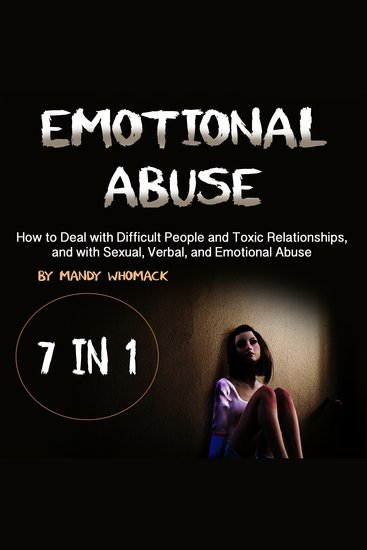
  • Emotional Abuse - How to Deal with Difficult People in Toxic Relationships and with Sexual Verbal and Emotional Abuse - cover

    Emotional Abuse - How to Deal...

    Mandy Womack

    • 0
    • 0
    • 0
    Book 1: In toxic relationships, it’s all about control. There are many people who find themselves in a toxic relationship, but they don’t realize that they are in one, or they don’t know how to get out of it. This book gives solutions for those who are eager, curious, or simply desperate. Help yourself or another who struggles with an unhealthy relationship or manipulative person in his or her life. 
    Book 2: You might know someone who is in a relationship with someone who is emotionally abusive, or you might be in a relationship with someone like that yourself. Or perhaps you don’t know how to recognize it and are curious how you can recognize the signs. Whichever the reason, you have come to the right address. 
    Book 3: Since it is all over the media and the horrific stories echo through our empathetic ears, it is almost mandatory for any caring civilian in society to understand at least some basics when it comes to sexual abuse. The facts are out there, and it is really happening to people in secret and sometimes without hiding anything. In this book, you will learn to grasp the reality of this sad phenomenon in society. 
    Book 4: Some of us may have been through it, and others have seen it in other people’s homes. Domestic violence is a serious problem. The stats don’t lie, but they aren’t completely accurate either. They reveal the victims who speak up, but not the ones who stay silent. If you are wondering what is involved in domestic violence, what to do, and how to recognize it, then you’ve come to the right place. 
    Book 5: In this elaborate study, the specific issues that relate to suicidal tendencies are addressed. Causes and consequences come to light, and comparisons are made between countries, individuals, and triggers that influence a person in a depressive state to contemplate the unthinkable. 
      
    And much more!
    Ver libro
  • Please Don't Leave Me - How Abandonment Shapes a Man & The Love That Can Heal Him - cover

    Please Don't Leave Me - How...

    PhD Dr. William D. Harvey

    • 0
    • 0
    • 0
    This audiobook is narrated by an AI Voice.   
    When a man has been abandoned, love isn’t simple, it’s survival. 
    This is the untold story of what abandonment does to a man’s heart, and how love can either heal or destroy him. 
    In please Don’t Leave Me, Dr. William D. Harvey, PhD, nurse, social scientist, and someone who knows firsthand the impact of paternal abandonment, offers an unflinching look into the fears, walls, and silent battles that shape a man who has been left behind. 
    Drawing on his doctoral research, deeply personal experiences, and a career dedicated to patient care and human connection, Dr. Harvey reveals why abandonment leaves wounds that change how a man gives and receives love. With compassion and clarity, he shows both men and their partners how to navigate the complexities of trust, vulnerability, and healing. 
    Whether you are the man who has been left, the woman who loves him, or someone guiding others through their pain, this book offers a rare and powerful perspective on the road from survival to connection.
    Ver libro
  • Human Rights - A Universal Fight for Dignity Justice and Equality (5 in 1) - cover

    Human Rights - A Universal Fight...

    Marcus Klein

    • 0
    • 0
    • 0
    This is a bundle of 5 books, which are the following: 
    · Children's Rights: Children represent the future of our societies, yet they remain among the most vulnerable and marginalized populations worldwide. The protection of children's rights has become one of the most critical global issues in the 21st century, demanding urgent attention and action. 
    · Human Trafficking: Human trafficking is one of the gravest human rights abuses of our time, affecting millions of individuals across the globe. It is a hidden yet pervasive crime that exploits people for labor, sex, and other forms of servitude. 
    · Organ Harvesting: Organ harvesting represents one of the most pressing and disturbing ethical challenges of our time. This practice involves the removal of organs from individuals, often without consent, for transplantation or sale on the black market. While organ transplantation has revolutionized modern medicine, saving countless lives, the dark underbelly of the industry reveals a stark contrast—one where human rights are systematically violated, and vulnerable populations are exploited. 
    · Sexism: Sexism, a deeply entrenched social issue, has been pervasive throughout human history, shaping the experiences of individuals and communities across the globe. At its core, sexism refers to the belief that one gender is superior to another, typically manifesting in the unequal treatment and opportunities given to individuals based on their gender. 
    · Racism: Racism has been a persistent and destructive force throughout human history, shaping societies, cultures, and institutions in ways that continue to reverberate today. It manifests in myriad forms—through prejudice, discrimination, systemic inequities, and violence—targeting individuals and groups based on their race or ethnicity.
    Ver libro