




REPRODUCIR EJEMPLO

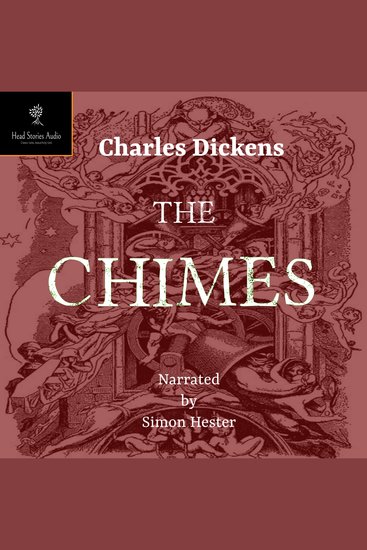
The Chimes
Charles Dickens
Narrador Simon Hester
Editorial: Head Stories Audio
Sinopsis
The Chimes, the second of Charles Dickens' five Christmas books, first appeared in 1844, a year after the tremendous success of A Christmas Carol. Like its predecessor, this novella blends the magical with the moral, crafting a tale that is both an enchanting fable and a searing critique of Victorian society. Set on New Year’s Eve, The Chimes takes readers on a journey through themes of poverty, injustice, and the redeeming power of hope and human kindness.
At the heart of The Chimes is Toby "Trotty" Veck, a poor ticket-porter who, like many of Dickens' characters, represents the overlooked and downtrodden in society. Through a series of supernatural visions orchestrated by the spirits of the church bells, Trotty is forced to confront the despair and cynicism that poverty breeds. Yet, Dickens is careful not to let despair overwhelm the narrative. As in A Christmas Carol, he offers a vision of hope—of transformation, repentance, and the possibility of a better world, even for those whom society forgets.
Dickens wrote The Chimes at a time when social reform was a pressing issue. It was a period marked by debates over the Poor Laws, the treatment of the working class, and the growing disparity between rich and poor. His personal experiences with poverty as a child, and his deep empathy for the plight of the poor, fueled his desire to use fiction as a means of advocacy. Through The Chimes, Dickens wove his sharpest social commentary into a festive tale, making it both a celebration of the New Year and a somber reflection on society's responsibilities.
Duración: alrededor de 4 horas (03:56:28)
Fecha de publicación: 05/10/2024; Unabridged; Copyright Year: — Copyright Statment: —




