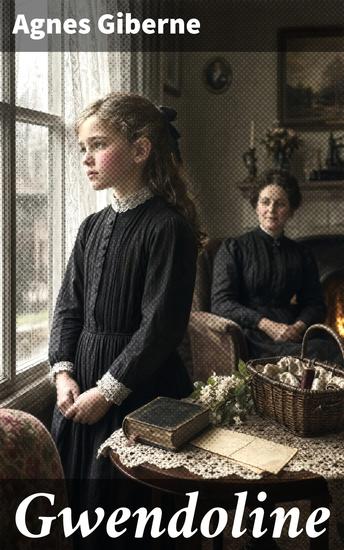
Gwendoline
Agnes Giberne
Editora: Good Press
Sinopse
Agnes Giberne's Gwendoline is a morally inflected Victorian domestic novel that traces the inner and social formation of its young heroine through family life, trial, and religious awakening. Written in a lucid, earnest prose characteristic of late nineteenth-century evangelical fiction, the book combines intimate observation of childhood feeling with a didactic purpose, guiding readers toward habits of self-command, charity, and Christian reflection. Like much of Giberne's work for younger audiences, it belongs to a literary culture in which fiction served both as entertainment and as spiritual instruction, while its attention to emotional nuance gives the narrative a gentler texture than mere tract literature. Giberne, a prolific English writer of fiction, popular science, and devotional works, was deeply shaped by Anglican piety and by the Victorian commitment to moral education. Her unusual range—from astronomy and natural theology to children's stories—reflects a mind intent on reconciling wonder, discipline, and faith. That broader intellectual and religious vocation helps explain Gwendoline's concern with character formation: the novel emerges from Giberne's conviction that literature could shape conscience as effectively as sermons or lessons. This is a rewarding book for readers interested in Victorian girls' fiction, evangelical culture, and the history of children's literature. Gwendoline deserves recommendation not only as a period piece, but as a serious example of fiction written to cultivate moral imagination.
Disponível desde: 29/06/2026.
Comprimento de impressão: 140 páginas.