Join us on a literary world trip!
Add this book to bookshelf
Grey
Write a new comment Default profile 50px
Grey
Subscribe to read the full book or read the first pages for free!
All characters reduced
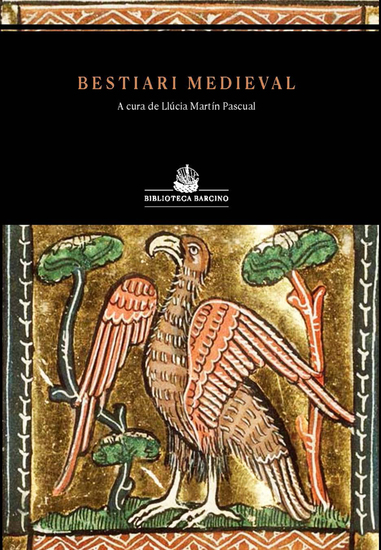
Bestiari medieval - cover

Bestiari medieval

Llúcia Martín, Raquel Parera

Publisher: Editorial Barcino

  • 0
  • 0
  • 0

Summary

Els bestiaris medievals descriuen les característiques de comportament de cada animal —sovint fantasioses i sorprenents— i, en donen una interpretació moral. Per al lector d'avui són una font inesgotable d'entreteniment i curiositat: del tigre en diuen que li agrada tant d'emmirallar-se que els caçadors fan servir miralls per distreure'l i robar-li les cries, i del castor que s'arrenca els testicles amb les dents i els llença a terra per evitar ser mort pels caçadors, que només en volen aquesta part. Però a més a més, són una magífica entrada al món medieval.
La llista d'animals, 45 en aquest bestiari, inclou també éssers fantàstics com l'unicorn ("una de les bèsties més cruels que hi ha") o l'au fènix.
Al final del volum el lector trobarà un plec amb setze bellíssimes miniatures medievals que il·lustren diversos animals.
Els predicadors, per donar exemples didàctics i alhora atractius als cristians, empraven els bestiaris en els seus sermons, que tothom escoltava cada dia. D'aquesta manera, els trets de cada animal van passar a formar part de l'imaginari popular, i els escriptors, en les seves obres, es van servir d'aquests referents compartits. Autors de la talla d'Ausiàs March, Jaume Roig, Joan Roís de Corella o sant Vicent Ferrer es van nodrir dels bestiaris, com s'exemplifica en la introducció.
Available since: 03/24/2025.
Print length: 216 pages.

Other books that might interest you

  • L'aventura de Tristany i Isolda - cover

    L'aventura de Tristany i Isolda

    Béroul, Gabrielle Thomas,...

    • 0
    • 0
    • 0
    Si al segle XIX Richard Wagner va compondre una òpera que va fer famosa la parella i l'any 1900 Joseph Bédier va reconstruir l'hipotètic original d'El romanç de Tristany i Isolda, esdevingut un clàssic de la cultura francesa, ara Lola Badia recupera la versió més antiga d'aquesta història mítica per convertir-la en un clàssic de la cultura catalana.
    
    
    Des de sempre, que l'amor ha insuflat grans sentiments a les ànimes enamorades. Des del segle XII, que l'amor apassionat, adúlter i tràgic ha unit Tristany i Isolda en un sol cos, una sola ànima. I la seva llegenda encara ens emociona.
    
    Dues orenetes deixen a la finestra del rei Marc de Cornualla un cabell llarg de dona, suau com un fil de seda, brillant com un raig d'or. El rei anuncia a la cort que només es casarà amb qui en sigui la propietària. Tristany, el nebot, va a Irlanda a buscar Isolda.
    
    
    Però, ai las!, a la nau que els transporta es beuen un vi d'herbes embruixat. Així comença la història d'un amor ni deshonest ni culpable. Tristany és un cavaller valent. Isolda, una enamorada ben astuta. El final de l'aventura és tan trepidant com el d'una bona sèrie televisiva.
    
    
    «—Senyor, per Déu omnipotent, si ell m'estima i jo l'estimo és per aquell beuratge que vaig beure i que ell també begué. »
    Show book
  • En Pere i altres contes - cover

    En Pere i altres contes

    Claudi Planas i Font

    • 0
    • 0
    • 0
    "En Pere i altres contes" by Claudi Planas i Font is a collection of short stories written during the early 20th century. The stories delve into rural life and the complexities of human emotions, particularly focusing on romantic relationships and social dynamics within a small community. The opening part introduces characters such as En Pere, who is portrayed grappling with feelings of betrayal and nostalgia, setting a tone of introspection and conflict that likely unfolds throughout the collection. At the start of the work, En Pere wakes up feeling betrayed by a close friend, Jaumet, who has seemingly taken something precious from him. As he gets dressed, he reflects on the past, filled with sweet memories of youthful romance and the carefree moments he shared with a girl named Pepeta. The tone shifts with his anger towards Jaumet, and as gossip swirls around the village regarding his situation, En Pere's thoughts obsessively intertwine with the pressure of social expectations and male rivalry, leaving him in a state of turmoil. This engaging introduction hints at deeper themes of longing, friendship, and the struggles of rural life which are likely explored in the subsequent stories. This Catalan-language digital edition is prepared with active navigation, clean typography, a custom cover and a reading file stripped of source-site notices, donation text and unnecessary external links.
    Show book
  • Pinya de Rosa Volume 2 Book 4 - cover

    Pinya de Rosa Volume 2 Book 4

    Joaquin Ruyra

    • 0
    • 0
    • 0
    "Pinya de Rosa. Volume 2, Book 4" by Joaquín Ruyra is a collection of narratives published in 1920. Named after a sailor's knot, this maritime-themed work includes stories adapted to Fabrian grammar from an earlier 1903 publication, alongside new material written between 1919 and 1920. The collection features impressions, fantasies, and novelettes that blend costumbrista traditions with modernist influences. Inspired by a journey to Mallorca, Ruyra crafts descriptions of serene, blue seas while demonstrating what he considered the definitive form of Catalan prose. This Catalan-language digital edition is prepared with active navigation, clean typography, a custom cover and a reading file stripped of source-site notices, donation text and unnecessary external links.
    Show book
  • ODISSEA Alliberada - cover

    ODISSEA Alliberada

    Homer Homer

    • 0
    • 0
    • 0
    PER PRIMERA VEGADA, L'ACLAMADA VERSIÓ EN PROSA DE SAMUEL BUTLER DE L'ODISSEA D'HOMER ARRIBA EN CATALÀ. EDICIÓ PORTÀTIL, BELLA I ACCESSIBLE, AMB MÉS DE 300 IL·LUSTRACIONS DE CALPURNIO.
    Un clàssic etern, ara amb una nova vida en la nostra llengua. Perquè alliberar els clàssics vol dir acostar-nos-hi de maneres noves. «TANT SI VIVIM COM SI MORIM, QUE HO PUGUEM FER AMB ELS ULLS OBERTS.» Així encoratja Ulisses els seus homes abans d'enfrontar-se a les terribles sirenes.
    Obstinat a sobreviure, i guiat al mateix temps per una voluntat insaciable de saber, Ulisses afronta aquest trànsit amb coratge, astúcia i curiositat, que és com ha superat els perills de monstres i fetilleres i ha desafiat déus i tempestes. Quan per fi arriba a les anhelades costes d'Ítaca, encara l'esperen un combat terrible i la tasca ingrata de la venjança. L'amor de la seva esposa Penèlope i l'estima pel fill que no ha vist créixer el guiaran en aquest últim propòsit. Quan per fi arriba a les anhelades costes d'Ítaca, encara l'esperen un combat terrible i la tasca ingrata de la venjança. L'amor de la seva esposa Penèlope i l'estima pel fill que no ha vist créixer el guiaran en aquest últim propòsit.
    Show book
  • Sang Nova: Novel la muntanyenca (Volumes 1 and 2) - cover

    Sang Nova: Novel la muntanyenca...

    Maria Vayreda

    • 0
    • 0
    • 0
    "Sang Nova" by Marià Vayreda is a novel written in the late 19th century. The narrative introduces us to Ramón de Montbrió, a young man returning to his familial home after completing his studies, seeking to reconnect with his roots while grappling with the expectations of his uncle, Mossèn Joan. The story explores themes of tradition versus modernity, the tension between personal aspirations and familial ties, and the evolving role of education and career choices. At the start of the novel, the relationship between Ramón and his uncle is central to the narrative. Ramón receives a heartfelt letter from Mossèn Joan, revealing his uncle's desire for him to follow a more traditional path, specifically in the ecclesiastical field, in contrast to Ramón's ambitions of studying engineering. The opening chapters highlight Ramón's journey back home, his reflections during the travel, and the contrasting views he holds against his uncle's more conservative beliefs. This tension sets up a compelling exploration of their dynamic, while also introducing colorful secondary characters such as Pascal, the loyal recader, and Feliça, the housekeeper, who play significant roles in the unfolding family drama. This Catalan-language digital edition is prepared with active navigation, clean typography, a custom cover and a reading file stripped of source-site notices, donation text and unnecessary external links.
    Show book
  • Escenas de la vida pagesa - cover

    Escenas de la vida pagesa

    Joaquim Riera i Bertran

    • 0
    • 0
    • 0
    "Escenas de la vida pagesa" by Joaquim Riera i Bertran is a novel written in the late 19th century. The book depicts the lives of rural Catalan villagers, focusing on their customs, celebrations, and the intricate relationships that bind the community. The main character in the opening portion is Uncle Toni, a jovial village mayor, who prepares for the festivities of Roser, surrounded by townsfolk from various socioeconomic backgrounds. The opening of the novel introduces readers to a lively celebration in the village, where Uncle Toni enthusiastically addresses the attendees to emphasize the importance of dance and merriment during the Roser festival. As the villagers engage in discussions about musical bands and revelry, the atmosphere is filled with excitement. The narrative quickly shifts to a series of social dynamics, highlighting interactions between various characters, including the young women vying for attention and the comical pursuits of the local authorities. Amidst the preparations, humor and tension build with the arrival of an unexpected complication involving a distressed girl fleeing from an undesirable suitor, setting the stage for unfolding drama amidst the festive backdrop. This Catalan-language digital edition is prepared with active navigation, clean typography, a custom cover and a reading file stripped of source-site notices, donation text and unnecessary external links.
    Show book