¡Acompáñanos a viajar por el mundo de los libros!
Añadir este libro a la estantería
Grey
Escribe un nuevo comentario Default profile 50px
Grey
Suscríbete para leer el libro completo o lee las primeras páginas gratis.
All characters reduced
El metode objectiu - cover

El metode objectiu

Ramon Turro

Editorial: Caelwick Press

  • 0
  • 0
  • 0

Sinopsis

"El mètode objectiu" by Ramón Turró is a philosophical treatise written in the early 20th century. The book delves into the relationship between psychological phenomena and their physiological underpinnings, emphasizing the need to understand the interplay between these realms through objective methods. Turró argues against purely introspective approaches to psychology, making a case for a more integrated view that recognizes the importance of empirical evidence in understanding mental processes. The opening of the book presents a discussion on the merits and limitations of introspective psychology. Turró critiques the common practices of psychologists who rely solely on observations of the mind's workings without considering the underlying physiological conditions that give rise to them. He draws on various philosophical and scientific perspectives, engaging with the ideas of figures like W. James and H. Ebbinghaus to illustrate the necessity of establishing causal relations between psychological and physiological states. Through this examination, he sets the stage for a more comprehensive understanding of the mental processes that define human experience. This Catalan-language digital edition is prepared with active navigation, clean typography, a custom cover and a reading file stripped of source-site notices, donation text and unnecessary external links.
Disponible desde: 17/06/2026.
Longitud de impresión: 61 páginas.
Otros libros que te pueden interesar

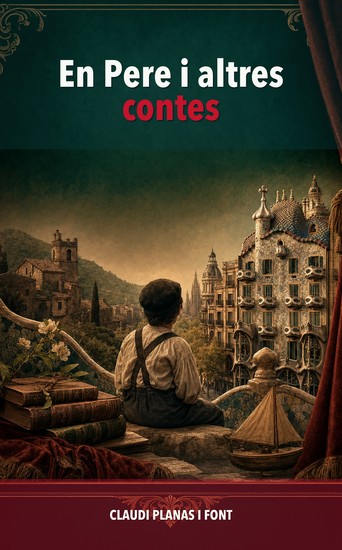
  • En Pere i altres contes - cover

    En Pere i altres contes

    Claudi Planas i Font

    • 0
    • 0
    • 0
    "En Pere i altres contes" by Claudi Planas i Font is a collection of short stories written during the early 20th century. The stories delve into rural life and the complexities of human emotions, particularly focusing on romantic relationships and social dynamics within a small community. The opening part introduces characters such as En Pere, who is portrayed grappling with feelings of betrayal and nostalgia, setting a tone of introspection and conflict that likely unfolds throughout the collection. At the start of the work, En Pere wakes up feeling betrayed by a close friend, Jaumet, who has seemingly taken something precious from him. As he gets dressed, he reflects on the past, filled with sweet memories of youthful romance and the carefree moments he shared with a girl named Pepeta. The tone shifts with his anger towards Jaumet, and as gossip swirls around the village regarding his situation, En Pere's thoughts obsessively intertwine with the pressure of social expectations and male rivalry, leaving him in a state of turmoil. This engaging introduction hints at deeper themes of longing, friendship, and the struggles of rural life which are likely explored in the subsequent stories. This Catalan-language digital edition is prepared with active navigation, clean typography, a custom cover and a reading file stripped of source-site notices, donation text and unnecessary external links.
    Ver libro
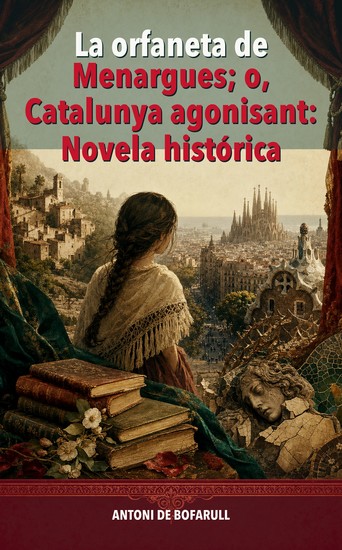
  • La orfaneta de Menargues; o Catalunya agonisant: Novela historica - cover

    La orfaneta de Menargues; o...

    Antoni de Bofarull

    • 0
    • 0
    • 0
    "La orfaneta de Menargues; o, Catalunya agonisant" by Antoni de Bofarull is a historical novel published in Barcelona in 1862. It is the first historical novel written in Catalan after the fifteenth-century "Tirant lo Blanc." Set during the 1413-1416 succession war for the Crown of Aragon, the work weaves together historical events with a romantic plot. The novel champions Catalan national identity while featuring real figures like King Ferdinand and Barcelona councilor Joan Fiveller alongside fictional characters navigating love and intrigue. This Catalan-language digital edition is prepared with active navigation, clean typography, a custom cover and a reading file stripped of source-site notices, donation text and unnecessary external links.
    Ver libro
  • L'escanya-pobres - cover

    L'escanya-pobres

    Narcis Oller

    • 0
    • 0
    • 0
    "L'escanya-pobres" by Narcís Oller is a novel written in 1884. Set in a rural society undergoing industrialization, the story personifies money and greed through the tragic character Oleguer and his wife, Tuies. Both are consumed by extreme avarice, hoarding wealth while causing misery to those around them. Blending realism, naturalism, and romantic elements, the novel critiques a society anchored in old regime values while a new industrial order emerges, ultimately leading to violent consequences. This Catalan-language digital edition is prepared with active navigation, clean typography, a custom cover and a reading file stripped of source-site notices, donation text and unnecessary external links.
    Ver libro
  • La Montserrat: Novela de costums del nostre temps - cover

    La Montserrat: Novela de costums...

    Dolores Monserda de Macia

    • 0
    • 0
    • 0
    "La Montserrat: Novela de costums del nostre temps" by Dolores Monserdá de Maciá is a novel of Catalan customs written in the late 19th century. The narrative introduces the Bach family, focusing on the ambitious patriarch, Don Joaquím Bach, who has worked his way up from humble beginnings to become a successful businessman. The novel likely explores themes of social status, family dynamics, and the struggles for upward mobility amidst the changing societal norms of the period. The opening of the novel sets the stage for the Bach family's life in Barcelona and the village of Larrua, revealing their aspirations and the societal expectations placed upon them. It begins with a thorough background of Don Joaquím, detailing his rise from an apprentice in a butter shop to a well-off shop owner, and later, a wealthy social figure. As he plans for the marriages of his children, particularly his daughters Teresina and Adela, the narrative hints at the conflicts and dynamics within the family, especially between traditional values and new wealth. The social milieu is depicted through lively dialogues and interactions, showcasing the societal intricacies that will shape the family's future decisions and marital prospects. This Catalan-language digital edition is prepared with active navigation, clean typography, a custom cover and a reading file stripped of source-site notices, donation text and unnecessary external links.
    Ver libro
  • Cançó de Nadal - cover

    Cançó de Nadal

    Charles Dickens

    • 0
    • 0
    • 0
    Escolta on vulguis Cançó de Nadal, el més famós dels contes nadalencs i evocadors de la infància escrits per Dickens. El vell Scrooge és un brillant home de negocis i un avar incorregible. La vigília de Nadal rep la visita del fantasma del seu vell company de negocis i amic Jacob Marley. Marley ha tornat de l'altre món per advertir el seu amic del que li espera si no canvia de vida i li anuncia la visita dels esperits dels Nadals passats, presents i futurs. Amb cadascun d'ells, Scrooge aprendrà una lliçó inoblidable.
    Ver libro
  • Sang Nova: Novel la muntanyenca (Volumes 1 and 2) - cover

    Sang Nova: Novel la muntanyenca...

    Maria Vayreda

    • 0
    • 0
    • 0
    "Sang Nova" by Marià Vayreda is a novel written in the late 19th century. The narrative introduces us to Ramón de Montbrió, a young man returning to his familial home after completing his studies, seeking to reconnect with his roots while grappling with the expectations of his uncle, Mossèn Joan. The story explores themes of tradition versus modernity, the tension between personal aspirations and familial ties, and the evolving role of education and career choices. At the start of the novel, the relationship between Ramón and his uncle is central to the narrative. Ramón receives a heartfelt letter from Mossèn Joan, revealing his uncle's desire for him to follow a more traditional path, specifically in the ecclesiastical field, in contrast to Ramón's ambitions of studying engineering. The opening chapters highlight Ramón's journey back home, his reflections during the travel, and the contrasting views he holds against his uncle's more conservative beliefs. This tension sets up a compelling exploration of their dynamic, while also introducing colorful secondary characters such as Pascal, the loyal recader, and Feliça, the housekeeper, who play significant roles in the unfolding family drama. This Catalan-language digital edition is prepared with active navigation, clean typography, a custom cover and a reading file stripped of source-site notices, donation text and unnecessary external links.
    Ver libro