Join us on a literary world trip!
Add this book to bookshelf
Grey
Write a new comment Default profile 50px
Grey
Subscribe to read the full book or read the first pages for free!
All characters reduced
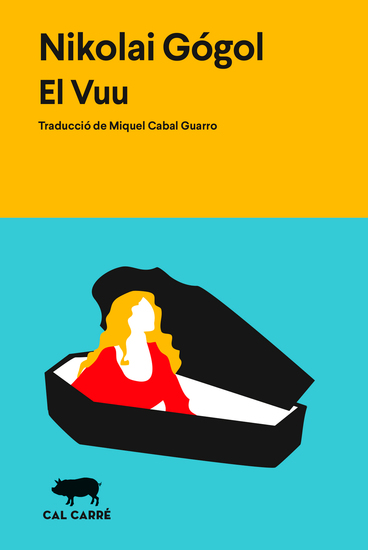
El Vuu - cover

El Vuu

Nikolai Gogol

Translator Miquel Cabal Guarro

Publisher: Cal Carré. Editorial artesana

  • 0
  • 0
  • 0

Summary

Nikolai Gógol és el mestre de la ironia, que sap posar en relleu les febleses humanes com ningú. Deixem-nos arrossegar per aquesta creació colossal de la imaginació popular que hi riurem i hi patirem, tot alhora.


Aquest és un conte que fa riure i que fa por. L'acció passa a Kíiv i té per protagonistes el Vuu, un home robust amb les cames arquejades i unes parpelles que li toquen a terra que és el cabdill dels gnoms, una bruixa i tres estudiants poca-soltes: el teòleg Penca, el filòsof Khomà Brut i el rètor Tiberi Pardal.


La despreocupació dels joves abans de conèixer el Vuu ens farà morir de riure. Després descobrirem que la por és el pitjor governant que podem tenir a les nostres vides.


«Ja pot venir de casa bona, que una bruixa és una bruixa.»
Available since: 09/09/2026.
Print length: 59 pages.
Other books that might interest you

  • Sang Nova: Novel la muntanyenca (Volumes 1 and 2) - cover

    Sang Nova: Novel la muntanyenca...

    Maria Vayreda

    • 0
    • 0
    • 0
    "Sang Nova" by Marià Vayreda is a novel written in the late 19th century. The narrative introduces us to Ramón de Montbrió, a young man returning to his familial home after completing his studies, seeking to reconnect with his roots while grappling with the expectations of his uncle, Mossèn Joan. The story explores themes of tradition versus modernity, the tension between personal aspirations and familial ties, and the evolving role of education and career choices. At the start of the novel, the relationship between Ramón and his uncle is central to the narrative. Ramón receives a heartfelt letter from Mossèn Joan, revealing his uncle's desire for him to follow a more traditional path, specifically in the ecclesiastical field, in contrast to Ramón's ambitions of studying engineering. The opening chapters highlight Ramón's journey back home, his reflections during the travel, and the contrasting views he holds against his uncle's more conservative beliefs. This tension sets up a compelling exploration of their dynamic, while also introducing colorful secondary characters such as Pascal, the loyal recader, and Feliça, the housekeeper, who play significant roles in the unfolding family drama. This Catalan-language digital edition is prepared with active navigation, clean typography, a custom cover and a reading file stripped of source-site notices, donation text and unnecessary external links.
    Show book
  • El metode objectiu - cover

    El metode objectiu

    Ramon Turro

    • 0
    • 0
    • 0
    "El mètode objectiu" by Ramón Turró is a philosophical treatise written in the early 20th century. The book delves into the relationship between psychological phenomena and their physiological underpinnings, emphasizing the need to understand the interplay between these realms through objective methods. Turró argues against purely introspective approaches to psychology, making a case for a more integrated view that recognizes the importance of empirical evidence in understanding mental processes. The opening of the book presents a discussion on the merits and limitations of introspective psychology. Turró critiques the common practices of psychologists who rely solely on observations of the mind's workings without considering the underlying physiological conditions that give rise to them. He draws on various philosophical and scientific perspectives, engaging with the ideas of figures like W. James and H. Ebbinghaus to illustrate the necessity of establishing causal relations between psychological and physiological states. Through this examination, he sets the stage for a more comprehensive understanding of the mental processes that define human experience. This Catalan-language digital edition is prepared with active navigation, clean typography, a custom cover and a reading file stripped of source-site notices, donation text and unnecessary external links.
    Show book
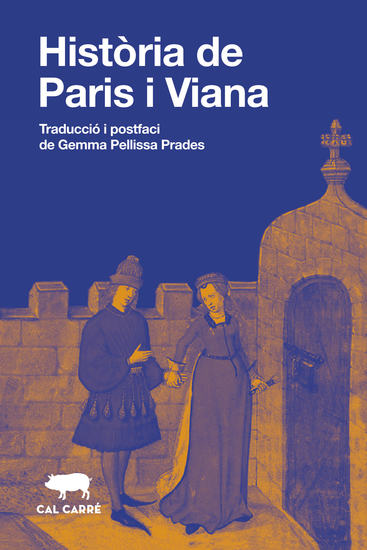
  • Història de Paris i Viana - cover

    Història de Paris i Viana

    Anònim

    • 0
    • 0
    • 0
    Les bones històries d'amor són una garantia d'èxit literari. Ho són ara i sempre ho han estat. Ho demostra el fet que es conservin versions en quinze llengües de la Història de Paris i Viana. Un dels best-sellers de la literatura del segle XV.
    
    
    Els ingredients de l'èxit segueixen sent els mateixos: dos amants que s'estimen desesperadament i alguna cosa que faci aquest amor impossible, en aquest cas la diferència de classe social i un pare cruel. Afegim-hi alguns referents que tothom pugui entendre: Paris és el nom de l'heroi que va provocar la guerra de Troia en raptar Helena després d'haver triat Afrodita com la donzella més bella de totes i Viana és el nom d'una ciutat situada a vint-i-cinc quilòmetres al sud de Lió que en temps dels reis carolingis era un comtat important. Sigui servit el drama a gust de tothom.
    Show book
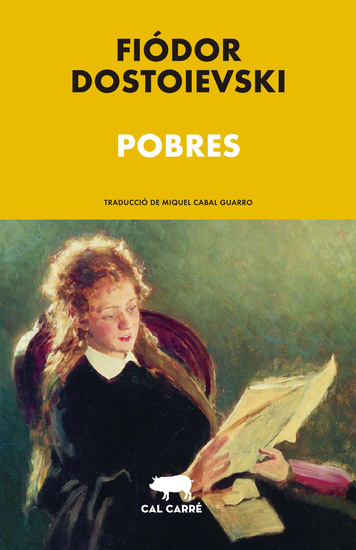
  • Pobres - cover

    Pobres

    Fiodor Mijaïlovich Dostoevskiï

    • 0
    • 0
    • 0
    «¿Com és que n'hi ha que quan encara són al ventre de la mare ja senten el crit de sort de l'oreneta, mentre que d'altres venen al món de Déu sortint d'un orfenat?»
    
    Un vespre, dos amics escriptors s'enduen una novel·la a casa. Cap a les quatre de la matinada truquen a la porta de l'autor, entusiasmats per la lectura. La porten a Vissarion Belinski, el crític més rellevant del moment, que diu a l'autor: «Suposo que no és conscient del que acaba d'escriure.» Era Pobres, la primera novel·la de Fiódor Dostoievski.
    
    En Makar Dévuixkin i la Varvara Alekséievna viuen a Petersburg, no gaire lluny l'un de l'altra, però s'envien cartes. Ell és un home gran i ella una noieta òrfena, el veïnat remugaria si es fessin gaires visites. Per les cartes hi circula alcohol, pobresa, tuberculosi, burles entre companys, culpa, malastrugança, familiars rics o botons que salten en el moment més inoportú. És a dir, tot allò que ha fet de Dostoeivski un dels genis més grans de la literatura universal.
    Show book
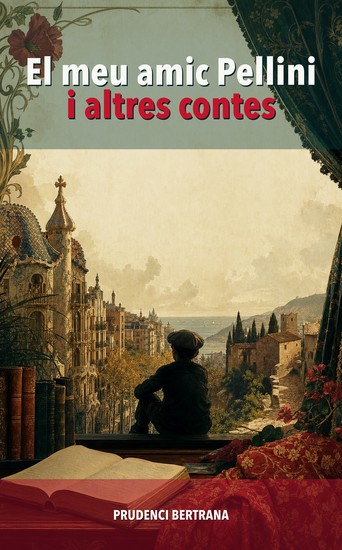
  • El meu amic Pellini i altres contes - cover

    El meu amic Pellini i altres contes

    Prudenci Bertrana

    • 0
    • 0
    • 0
    "El meu amic Pellini i altres contes" by Prudenci Bertrana is a collection of short stories written in the early 20th century." The book introduces various characters and themes, with a notable focus on life experiences and emotional narratives. The opening story centers around Pellini, a distinctive and imposing Italian man living in France, whose oddities and noble heart set the stage for humorous and poignant tales about friendship, nature, and individuality. "At the start of "El meu amic Pellini," we meet Pellini, a giant of a man known for his imposing frame and peculiar character." He works as a button factory foreman and is popular among the townsfolk, who ironically use his presence as a public clock due to his impressive stature and regular habits. The story recounts one memorable encounter between the narrator and Pellini, sparked by a failed hunt for a hare, showcasing Pellini's comical desperation and affectionate nature toward his dog. As their friendship blossoms through shared hunting adventures, the narrator reflects on Pellini's quirks, his past, and his emotional depth, setting the tone for a blend of humor and pathos that characterizes the collection. This Catalan-language digital edition is prepared with active navigation, clean typography, a custom cover and a reading file stripped of source-site notices, donation text and unnecessary external links.
    Show book
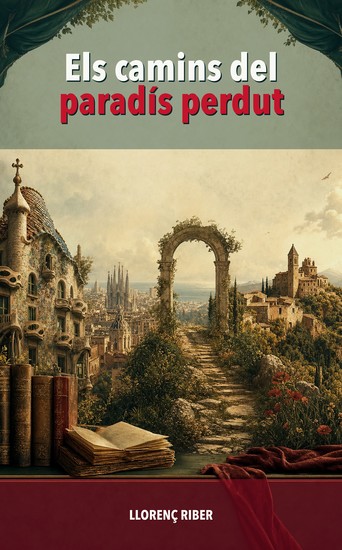
  • Els camins del paradis perdut - cover

    Els camins del paradis perdut

    Llorenc Riber

    • 0
    • 0
    • 0
    "Els camins del paradís perdut" by Llorenç Riber is a collection of legendary narratives written in the late 19th century. The work encompasses two distinct tales, focusing on the adventures of St. Brendan and his monks as they embark on a mystical quest for Paradise, exploring themes of spirituality, faith, and the nature of divine wonders. The opening of the narrative introduces St. Brendan, a virtuous abbot, who is inspired to seek the lost Paradise after a visit from his nephew Barint, who recites tales of miraculous lands. As he prepares to embark on this monumental journey with seven chosen monks, their faith drives them to discover a celestial facet of existence marked by spiritual richness and divine light. Their discussion, reflections, and decisions are intertwined with the legends of the Garden of Eden, drawing readers into a timeless quest where physical and spiritual explorations intermingle, setting the stage for the remarkable adventures that lie ahead. This Catalan-language digital edition is prepared with active navigation, clean typography, a custom cover and a reading file stripped of source-site notices, donation text and unnecessary external links.
    Show book