Junte-se a nós em uma viagem ao mundo dos livros!
Adicionar este livro à prateleira
Grey
Deixe um novo comentário Default profile 50px
Grey
Assine para ler o livro completo ou leia as primeiras páginas de graça!
All characters reduced
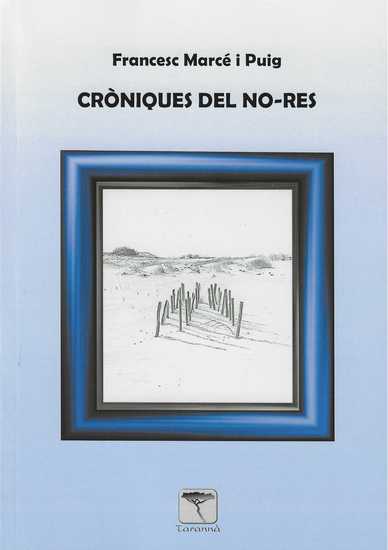
Croniques del no-res - cover
LER

Croniques del no-res

Marcé Puig

Editora: Taranna Edicions

  • 0
  • 0
  • 0

Sinopse

Este libro es una recopilación de poemas dividido en cuatro partes: Poemas impertinentes, Aforismos para subsistir, Contra-refranes y Epigramas implacables, Todas ellas con un fondo común: Una visión crítica, por no decir sarcástica del momento actual que nos ha tocado vivir, tanto a nivel individual, político o colectivo.
    Ya sean hechos de una mínima o máxima trascendencia siempre, el autor intento quitarles todo el zumo posible (a los poemas). Por eso siempre tienen cierto cariz de fábula con moraleja final, cierto cariz aforístico, que resultan inesperadas, creativas, enriquecen el lenguaje y, en último término, invitan a cambiar la forma que tenemos de concebir una realidad concreta.
Disponível desde: 03/02/2026.
Comprimento de impressão: 242 páginas.
Outros livros que poderiam interessá-lo

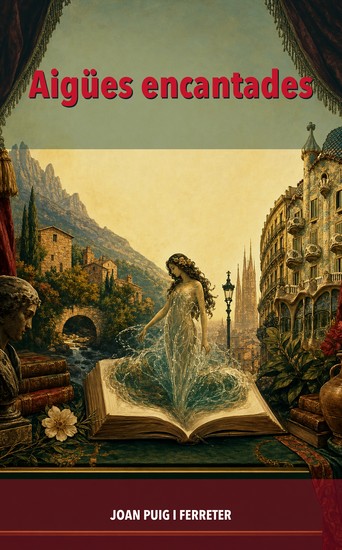
  • Aigues encantades - cover

    Aigues encantades

    Joan Puig i Ferreter

    • 0
    • 0
    • 0
    "Aigües encantades" by Joan Puig i Ferreter is a Catalan stage drama written in the early 20th century. Set in a mountain village gripped by drought, it pits religious tradition and sacred legends about "enchanted" waters against a modern, rational bid to capture and distribute that water. The central figures include the rebellious student-teacher Cecilia, her devout parents Pere Amat and Juliana, the wavering schoolmaster Vergés, the forceful priest Mossèn Gregori, and a persuasive outsider who promises practical salvation. The result is a charged portrait of faith, fear, progress, and community power. The opening of the play presents a tense home scene: while bells toll for a penitential procession, Cecilia rejects the village's rites, sparring with Vergés and clashing bitterly with her authoritarian father and sorrowful mother. News spreads of a well-spoken foraster who claims the village can draw real water from the supposedly sacred pools, and Mossèn Gregori quietly prepares to neutralize him. A scandal erupts when Amat reports that Cecilia has publicly embraced the newcomer, hardening his resolve against her. In the next scene, at the shepherd Romanill's courtyard, villagers gather; the batlle and Amat try to intimidate the host, but a crowd floods in as the outsider—an engineer—insists he brings peace and a practical plan, not an assault on belief. The people waver between curiosity and hostility as he begins to explain that the "enchanted" waters are living and accessible, and the confrontation remains unresolved as tensions crest. This Catalan-language digital edition is prepared with active navigation, clean typography, a custom cover and a reading file stripped of source-site notices, donation text and unnecessary external links.
    Ver livro
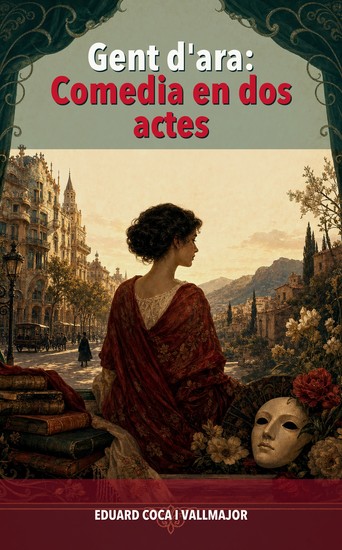
  • Gent d'ara: Comedia en dos actes - cover

    Gent d'ara: Comedia en dos actes

    Eduard Coca i Vallmajor

    • 0
    • 0
    • 0
    "Gent d'ara" by Eduard Coca i Vallmajor is a stage comedy written in the early 20th century. It satirizes the clash between tradition and modernity in a Barcelona household where a stern shopkeeper father, Rimbau, demands his son Joanet join the family business while the son yearns to become an architect; Rosa, the level‑headed mother, is torn, as a pompous moralist (Don Ignasi), a sharp, ironic neighbor (Joseph), and Joseph's literary wife Mercedes stir the pot. Expect brisk domestic skirmishes, witty needling, and a humorous portrait of "people of today" pushing against old certainties. The opening of this play sets the conflict in motion: in their old Barcelona flat, Rimbau scolds Rosa and condemns Joanet's studies, enlisting Don Ignasi to preach parental authority, while neighbors Mercedes (a self‑styled intellectual novelist) and her sardonic husband Joseph drift in, trading barbs. Joseph quietly learns from the maid that father and son have already clashed, then counsels the arriving Joanet and his friend Lluis to stay respectful yet firm. A family gathering erupts when Rimbau publicly berates his son and even threatens violence, leaving Rosa in tears as Act I falls. At the start of Act II in the Vallcarca summer house, Don Ignasi pushes Rosa to side with the father, but she defends Joanet's vocation; tensions simmer over lunch, Joseph and Mercedes bicker about her writing, Joanet bursts out over insults to his mother, and Rosa pleads for calm. Mercedes attempts a dramatic reading of her novel, but as Don Ignasi sneaks off to corner Joanet and others slip away, the reading collapses and the family's generational standoff remains unresolved. This Catalan-language digital edition is prepared with active navigation, clean typography, a custom cover and a reading file stripped of source-site notices, donation text and unnecessary external links.
    Ver livro
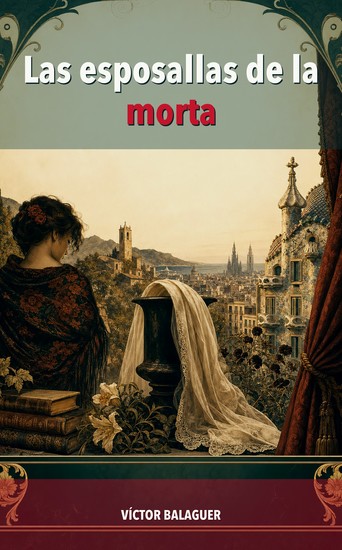
  • Las esposallas de la morta - cover

    Las esposallas de la morta

    Victor Balaguer

    • 0
    • 0
    • 0
    "Las esposallas de la morta" by Víctor Balaguer is a dramatic work likely written in the late 19th century. This piece can be classified as a tragic play that draws inspiration from the timeless themes of love and fate, ultimately exploring the intense emotions and tragic consequences of forbidden love. It is set against a backdrop reminiscent of classic romances, specifically echoing the well-known story of Romeo and Juliet. The play centers around the doomed love affair between Julieta Capuletti and Romeu Monteschi, who are members of feuding families. The plot unfolds with their secret meetings and passionate exchanges, set amidst the tensions and violent rivalries that separate them. As the narrative progresses, tragedy strikes when Romeo is unwittingly drawn into conflict with Julieta's family, resulting in the death of her cousin Tybalt. In a desperate attempt to be together despite their families' enmity, Julieta fakes her own death using a narcotic provided by Friar Lawrence. However, the plan goes awry when Romeo, believing Julieta to be truly dead, takes his own life. When Julieta awakens and finds Romeo dead beside her, she too chooses to end her life, culminating in the heartbreaking message of the futility of their love amidst familial hatred. This Catalan-language digital edition is prepared with active navigation, clean typography, a custom cover and a reading file stripped of source-site notices, donation text and unnecessary external links.
    Ver livro
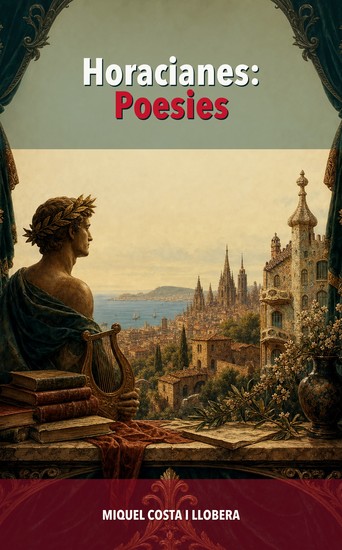
  • Horacianes: Poesies - cover

    Horacianes: Poesies

    Miquel Costa i Llobera

    • 0
    • 0
    • 0
    "Horacianes: Poesies" by Miquel Costa i Llobera is a poetry collection published in 1906. This celebrated work consists of sixteen odes dedicated to the Latin poet Horace. Costa i Llobera adapts classical Greek and Roman meters to Catalan, using stressed and unstressed syllables to approximate ancient verse forms. The collection showcases his careful use of language and rigorous treatment of classical literary forms, demonstrating the versatility of Catalan as a literary language through noble poetic structures. This Catalan-language digital edition is prepared with active navigation, clean typography, a custom cover and a reading file stripped of source-site notices, donation text and unnecessary external links.
    Ver livro
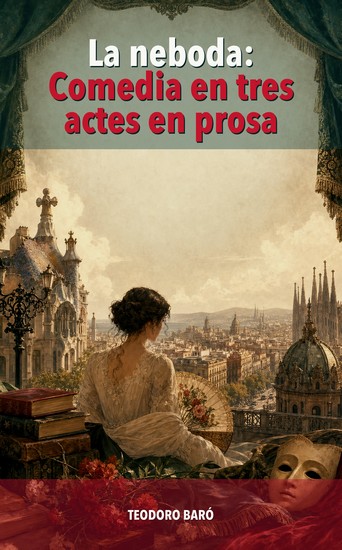
  • La neboda: Comedia en tres actes en prosa - cover

    La neboda: Comedia en tres actes...

    Teodoro Baro

    • 0
    • 0
    • 0
    La neboda by Teodoro Baró is a stage comedy in three acts written in the late 19th century. Set in a Catalan village house owned by a distinguished doctor, it satirizes class pretension and the tug-of-war between romantic feeling and social ambition. The story follows the proud widow Doña Maria as she tries to block her son Mariano's love for the humble Ramoneta, even as she herself warms to the village doctor, with a chorus of quick-tongued servants fueling intrigue and humor. The opening of the play establishes the bustling country household: Miquel and Antonia haggle over provisions, while the cook Tuyas duels wittily with local tastes, and Nando boasts and flirts. Tayabas, a talkative go‑between, lets slip Maria's modest past and her determination to stop Mariano from marrying a shopkeeper's daughter, prompting comic plans like staging a "successful" hunt with released tame rabbits. Maria and Mariano clash over his intentions, and the local physician Don Tomás—once the student "Tomaset," now a retired general—arrives, rekindling a warm familiarity with Maria. At the start of the second act the salon is spruced up, a fruit basket arrives from Ramoneta, Tayabas monitors letters from Barcelona, and Mariano returns to scold him for meddling; Don Tomás privately admits he's in love, and he and Maria cautiously contemplate marriage while worrying how to break the news to family. This Catalan-language digital edition is prepared with active navigation, clean typography, a custom cover and a reading file stripped of source-site notices, donation text and unnecessary external links.
    Ver livro
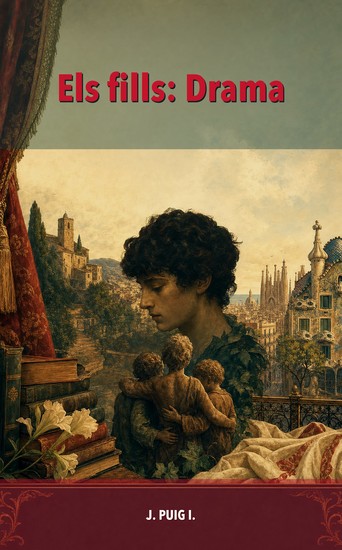
  • Els fills: Drama - cover

    Els fills: Drama

    J. Puig I.

    • 0
    • 0
    • 0
    Els fills by J. Puig I.. is a three-act stage drama written in the early 20th century. Set in a rural mountain community, it is a moral tale about filial duty, parental authority, and repentance, shaped by Catholic counsel and village life. Magdalena, a strict and loving widow, clashes with her wayward sons Alfred and Manel, while her neighbor Quica indulges her own son, Tomàs. Spurred by Tomàs, the brothers rebel, abandon their mother, and slip into petty crime, even robbing her. Village guards eventually seize Tomàs, and the frightened brothers hide near an hermitage, where the priest Mossèn Geroni guides them toward remorse. Longing for forgiveness, they return home to beg their mother's pardon; she embraces them with open arms, extracts their promise to live rightly under the priest's guidance, and, spent by suffering and joy, dies in their presence, leaving them reconciled and transformed. This Catalan-language digital edition is prepared with active navigation, clean typography, a custom cover and a reading file stripped of source-site notices, donation text and unnecessary external links.
    Ver livro