

Rejoignez-nous pour un voyage dans le monde des livres!
Ajouter ce livre à l'électronique
Grey
Ecrivez un nouveau commentaire Default profile 50px
Grey
Abonnez-vous pour lire le livre complet ou lisez les premières pages gratuitement!
All characters reduced
Artificial intelligence and copyright From Thaler's dilemma to "the right to read is the right to mine" doctrine - cover

Artificial intelligence and copyright From Thaler's dilemma to "the right to read is the right to mine" doctrine

José María Anguiano

Maison d'édition: Instituto de Derecho de Autor

  • 0
  • 0
  • 0

Synopsis

Many are reflecting on the consequences of AI's advance into the legal profession, whether human jurists can be replaced by AI1 and whether in the not-too-distant future legal work will be taken over by these machines. My approach is different. It is also important to reflect on the legal consequences of this technology's advance into our lives. Especially considering that existing legal systems are written by and for humans. The emergence of a new "participant" that is not covered by current regulations and whose actions have legal relevance in the environment seems likely to raise a number of legal challenges that will have to be addressed. Copyright is a prime example of this. There is a global regulatory debate regarding the legal status of "artificial intelligence (AI) models". There are three important issues at the heart of the matter. The first on how to protect AI itself; the second on the status of the creations generated by AI, whether they can be recognised as authors and rights holders of their creations; and the third on the protection of the rights of the owners of the works fed into AI: data, formulas, texts, images or sounds protected by copyright or patent.
Disponible depuis: 05/01/2024.
Longueur d'impression: 68 pages.
D'autres livres qui pourraient vous intéresser

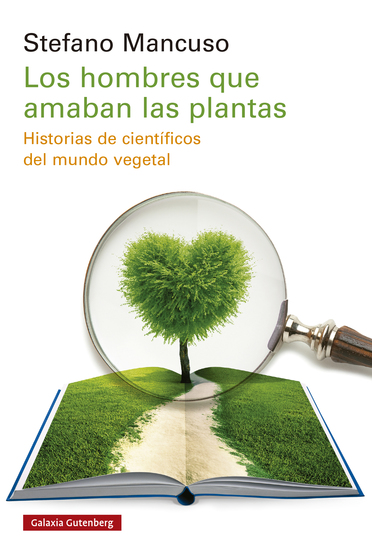
  • Los hombres que amaban las plantas - Historias de científicos del mundo vegetal - cover

    Los hombres que amaban las...

    Stefano Mancuso

    • 0
    • 1
    • 0
    Este ensayo transita a lo largo de cinco siglos de descubrimientos en el mundo vegetal a través de las extraordinarias vidas de naturalistas, genetistas y botánicos apasionados por las plantas, los árboles, la agricultura y la genética. Por ejemplo, Charles Darwin, que identificó una especie de mariposa que sólo podía polinizar un tipo de orquídea. O Leonardo da Vinci, que se dedicó a estudiar la filotaxis, la disposición de las hojas en el tallo de una planta para captar la luz del sol. Y cómo no mencionar la trágica historia del genetista ruso Nikolái Ivánovich Vavílov, que aisló en su laboratorio el supergrano de trigo que alimentaría a millones de campesinos sólo para caer víctima de las purgas de Stalin y morir en una de sus prisiones. Stefano Mancuso también relata la increíble vida de George Washington Carver, el primer estadounidense negro graduado en Agricultura, que inventó un método revolucionario para cultivar cacahuetes. Se nos presenta también la vida de Charles Harrison Blackley que, arriesgando su propia existencia, descubrió los orígenes de la fiebre del heno. Se incluyen muchos otros científicos que cambiaron nuestras ideas sobre el universo en que vivimos, que completan un relato de los descubrimientos más asombrosos y a veces desconocidos del mundo vegetal.
    Voir livre
