Rejoignez-nous pour un voyage dans le monde des livres!
Ajouter ce livre à l'électronique
Grey
Ecrivez un nouveau commentaire Default profile 50px
Grey
Abonnez-vous pour lire le livre complet ou lisez les premières pages gratuitement!
All characters reduced
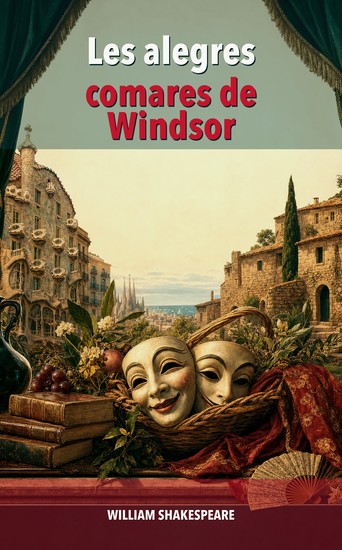
Les alegres comares de Windsor - cover

Les alegres comares de Windsor

William Shakespeare

Maison d'édition: Caelwick Press

  • 0
  • 0
  • 0

Synopsis

"Les alegres comares de Windsor" by William Shakespeare is a comedy first published in 1602. The impoverished Sir John Falstaff schemes to seduce two wealthy married women for financial gain, but the clever wives turn the tables on him with a series of humiliating pranks. Meanwhile, three suitors compete for the hand of Anne Page, each with different supporters among her family. Set in Elizabethan England, the play weaves together romantic deception, jealous husbands, and escalating revenge in Shakespeare's comic portrait of middle-class life. This Catalan-language digital edition is prepared with active navigation, clean typography, a custom cover and a reading file stripped of source-site notices, donation text and unnecessary external links.
Disponible depuis: 17/06/2026.
Longueur d'impression: 91 pages.
D'autres livres qui pourraient vous intéresser

  • El barquer - cover

    El barquer

    Jez Butterworth

    • 0
    • 0
    • 0
    Un dia de finals d'agost, a la convulsa Irlanda del Nord de l'any 1981. Mentre un grup de joves presos de l'IRA reclama l'estatus de pres polític amb una vaga de fam que ja ha deixat víctimes mortals, a la granja dels Carney se celebra el dia de la collita: un dia de festa que es veurà bruscament interromput per un esdeveniment inesperat.
    
    L'autor anglès Jez Butterworth signa aquesta monumental història familiar: una epopeia de lleialtats i fractures, de traïcions i redempcions, que travessa el conflicte angloirlandès de l'últim quart del segle XX i n'explora les conseqüències íntimes.
    Voir livre
  • Granit - cover

    Granit

    Carlos Minuchin

    • 0
    • 0
    • 0
    "Amb Granit, Carles Minuchin, tot adoptant la veu femenina quan parla la primera veu de la poesia, ha creat aquest cant de denúncia, de resistència, d'expressió del dolor, dels traus i de les ferides que tantes dones han patit i que encara pateixen, cant a la lluita per un altre món possible. Per açò en el cant de Granit hi ha també el convenciment i l'esperança d'aquest futur en què siguin esborrades les fronteres que encara impedeixen la igualtat i, per tant, el gaudi d'una vida en plenitud per a totes les dones." (Del pròleg de Pere Gomila)
    Voir livre
  • La morta: Quadro dramatich - cover

    La morta: Quadro dramatich

    Pompeu Crehuet i Pardas

    • 0
    • 0
    • 0
    "La morta: Quadro dramátich" by Pompeu Crehuet i Pardas is a dramatic play written in the early 20th century. Set in a small town near Barcelona, the play explores themes of loss, regret, and complex human relationships following the death of a woman named Mariagna. It delves into the lives of various characters as they grapple with their emotions and interactions, particularly focusing on familial ties and the repercussions of infidelity. The narrative unfolds in a household where the characters Eloy, Jaume, Quirse, Antonia, Rosa, and Teresa are dealing with the aftermath of Mariagna's death. As the characters interact, their pasts and unresolved tensions come to light. Jaume, the husband of the deceased, struggles with guilt and remorse, particularly about the affection he had for another woman, Rosa. The play reflects the emotional turmoil experienced by the characters as they confront their circumstances, leading to poignant revelations and an exploration of the burdens of guilt, love, and the quest for redemption. Throughout the unfolding drama, Eloy, who is portrayed as a mentally challenged boy, adds a layer of innocence and tragedy as he longs for his deceased mother. The play culminates in a moment of acknowledgment and reconciliation between father and son, emphasizing the enduring bonds of family amid tragedy. This Catalan-language digital edition is prepared with active navigation, clean typography, a custom cover and a reading file stripped of source-site notices, donation text and unnecessary external links.
    Voir livre
  • La montanya d'amethystes - cover

    La montanya d'amethystes

    Guerau de Liost

    • 0
    • 0
    • 0
    "La montanya d'amethystes" by Jaume Bofill i Mates (Guerau de Liost) is a lyrical collection of poetry created in the early 20th century. The work reflects on the beauty and mystique of mountains and nature, filled with rich imagery and emotional depth. It seeks to capture the interplay between the landscape and the human experience, often invoking nostalgic and spiritual themes. The opening of "La montanya d'amethystes" introduces readers to a highly evocative universe, where mountains are personified as majestic entities. The poet begins by praising a specific mountain, filled with gems and magical properties, conjuring images of opulence intertwined with sorrow. This section is characterized by a series of lyrical poems that explore different aspects of nature, from serene landscapes to the tranquil flow of streams, evoking a sense of connection between the human soul and the environment. The overall tone sets the stage for a contemplative journey through the beauty and complexities of nature. This Catalan-language digital edition is prepared with active navigation, clean typography, a custom cover and a reading file stripped of source-site notices, donation text and unnecessary external links.
    Voir livre
  • La mare eterna: Drama en tres actes - cover

    La mare eterna: Drama en tres actes

    Ignasi Iglesias

    • 0
    • 0
    • 0
    La mare eterna by Ignasi Iglesias is a play written in the early 20th century. Set in a prosperous farmhouse in the Vallès, it explores the pull between religious duty and earthly love as the seminarian Gabriel wavers between a promise to his late mother and his growing feelings for his cousin Marió. The poet Florenci, a frail guest from the city enamored of rural life, champions vitality, art, and freedom, unsettling the devout farmer Andreu and inspiring the hired hands. The drama promises a collision of piety, passion, and nature's call within a vividly rendered agrarian world. At the start of the play, Marió and her uncle Andreu prepare supper and worry about Florenci's sway over Gabriel; after Gabriel and Florenci return from the fields, the farmhands join, and while Andreu leads prayers, Florenci quietly recites his stirring "Cant de Juny," enchanting the workers and so moving Gabriel that he drops his breviary. The next morning Florenci coaxes Marió's feelings into view, and Gabriel—now in secular clothes—confides to Florenci that he lacks vocation and loves Marió; urged to choose life, he decides to tell his father. When the hands bustle off to cook a rustic snack (and beg Florenci for more verses), Gabriel declares his love to Marió; she resists out of duty and fear of censure but is clearly touched, leaving him a kissed flower as she withdraws in tears. The opening closes with Gabriel torn yet newly resolute, alone as the others depart. This Catalan-language digital edition is prepared with active navigation, clean typography, a custom cover and a reading file stripped of source-site notices, donation text and unnecessary external links.
    Voir livre
  • Andronica: Tragedia en tres actes y en vers - cover

    Andronica: Tragedia en tres...

    Angel Guimera

    • 0
    • 0
    • 0
    "Andrónica: Tragedia en tres actes y en vers" by Àngel Guimerà is a dramatic tragedy written in the early 20th century. The play is set in Anatolia in the year 1022 and features a range of characters including the main character, Andrónica, as well as Nicéfor, the emperor, and various nobles, priests, and soldiers. The work likely explores themes of power, betrayal, and the struggles of the people against tyranny, particularly against Nicéfor, who seems to embody oppressive rule. The opening of the play introduces a tense political climate in Anatolia, with Nicéfor's reign being challenged amidst concerns of betrayal and the impending threat of the Byzantine army. Initial scenes depict discussions between key figures, like the Abbot of Sant Thimur and the knight Livani, as they plot to remove Nicéfor from power. As the atmosphere grows increasingly fraught, Andrónica emerges as a crucial figure who challenges the emperor's authority, passionately advocating for the people and calling out Nicéfor's shortcomings. The dynamics among the characters hint at a brewing conflict that intertwines personal grievances with the larger struggle for freedom and justice, setting the stage for the dramatic events that are sure to unfold throughout the play. This Catalan-language digital edition is prepared with active navigation, clean typography, a custom cover and a reading file stripped of source-site notices, donation text and unnecessary external links.
    Voir livre