Rejoignez-nous pour un voyage dans le monde des livres!
Ajouter ce livre à l'électronique
Grey
Ecrivez un nouveau commentaire Default profile 50px
Grey
Abonnez-vous pour lire le livre complet ou lisez les premières pages gratuitement!
All characters reduced
Mares Migrants - cover

Mares Migrants

Fatima Saheb

Maison d'édition: Jande Editorial

  • 0
  • 0
  • 0

Synopsis

«A Mares Migrants, la Fàtima reconeix una cosa que, a vegades, se'ns oblida: que les nostres mares eren elles, abans de ser migrants i abans d'esdevenir mares.» Desirée Bela-Lobedde

«Fàtima Saheb ressegueix amb una delicadesa massa vegades dolorosa el camí de les mares que, com la seva, van prendre la decisió de la migració i les homenatja des d'una posició lluminosa per parlar de vincles, d'identitats i de memòria.» Mercè Folch

Mares Migrants és un poemari i una nota d'agraïment.
Una felicitació, un homenatge a les mares migrants, una porta a la reparació que no es van poder permetre entre tanta lluita. Una invitació personal i necessària que les seves filles i fills siguin també confidents. El desig que les seves històries arribin lluny i no morin mai.
Un llegat per als seus nets i netes. Capítols per als llibres d'història de les generacions vinents. Una oda al migrant i, potser, un manual de supervivència. Un amulet. I tantes altres coses.
Després d'anys de recitals, Fàtima Saheb ens ofereix en la seva primera obra publicada una lectura plena d'emoció i, sobretot, justícia poètica que transcendeix la mateixa experiència de la migració i les seves conseqüències.
Disponible depuis: 23/03/2026.
Longueur d'impression: 208 pages.

D'autres livres qui pourraient vous intéresser

  • Manifest Mangione - cover

    Manifest Mangione

    Carol López

    • 0
    • 0
    • 0
    Una nit de desembre, als Estats Units, el director executiu d'una gran companyia cau mort a trets. Les bales hi duen gravades tres paraules: Deny, Defend, Depose. El jove que les ha disparades, fill d'una bona família de Baltimore i alumne exemplar en una universitat privada, es convertirà en un heroi mediàtic de la nit al dia.
    
    La dramaturga i directora Carol López indaga les violències del sistema neoliberal a partir d'un assassinat que va commocionar els Estats Units la tardor del 2024. Traça així la radiografia d'una societat al límit que explica els mecanismes actuals de construcció de l'opinió pública i la fascinació per aquest crim.
    Voir livre
  • La mare eterna: Drama en tres actes - cover

    La mare eterna: Drama en tres actes

    Ignasi Iglesias

    • 0
    • 0
    • 0
    La mare eterna by Ignasi Iglesias is a play written in the early 20th century. Set in a prosperous farmhouse in the Vallès, it explores the pull between religious duty and earthly love as the seminarian Gabriel wavers between a promise to his late mother and his growing feelings for his cousin Marió. The poet Florenci, a frail guest from the city enamored of rural life, champions vitality, art, and freedom, unsettling the devout farmer Andreu and inspiring the hired hands. The drama promises a collision of piety, passion, and nature's call within a vividly rendered agrarian world. At the start of the play, Marió and her uncle Andreu prepare supper and worry about Florenci's sway over Gabriel; after Gabriel and Florenci return from the fields, the farmhands join, and while Andreu leads prayers, Florenci quietly recites his stirring "Cant de Juny," enchanting the workers and so moving Gabriel that he drops his breviary. The next morning Florenci coaxes Marió's feelings into view, and Gabriel—now in secular clothes—confides to Florenci that he lacks vocation and loves Marió; urged to choose life, he decides to tell his father. When the hands bustle off to cook a rustic snack (and beg Florenci for more verses), Gabriel declares his love to Marió; she resists out of duty and fear of censure but is clearly touched, leaving him a kissed flower as she withdraws in tears. The opening closes with Gabriel torn yet newly resolute, alone as the others depart. This Catalan-language digital edition is prepared with active navigation, clean typography, a custom cover and a reading file stripped of source-site notices, donation text and unnecessary external links.
    Voir livre
  • La Sirena: Drama en quatre actes y un cuadro - cover

    La Sirena: Drama en quatre actes...

    Josep Pin i Soler

    • 0
    • 0
    • 0
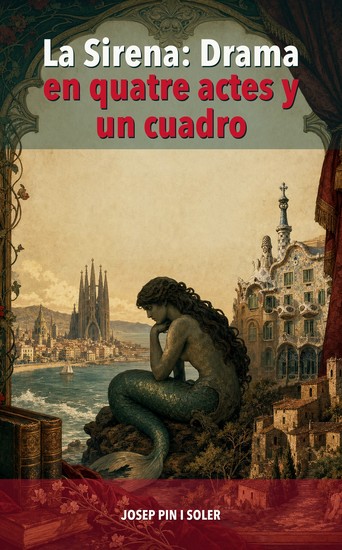
    "La Sirena" by Josep Pin i Soler is a drama written in the late 19th century. Set between a Catalan fishing village and a Barcelona shipping office during the era of the clandestine slave trade, it follows the formidable captain Grabat (Pau Cendra), his steadfast daughter Marieta, and the vain armador Don Luisito, with the innkeeper Pitera and the crew's families tightening the human knot around them. The likely focus is on honor, desire, and complicity as private grudges and colonial business interests push a community toward moral and personal reckoning. The opening of the play shows a village beach preparing to bless the slave ship Sirena before departure. Amid teasing and small-town bustle, Pitera confronts Grabat about their affair and insinuates he killed her husband, pressuring him to promise marriage; he refuses, and she vows revenge while her brother Gatneu signs on as the ship's cook. Don Luisito arrives to toast the voyage and clumsily court Marieta, drawing a protective rebuke from her father. The ship is blessed, farewells are tearful, and Grabat sails. The scene then shifts to the Barcelona office, where clerks and the cautious manager Joanet reveal uncertainty over the Sirena's route and warn Don Luisito against troubling Marieta. When women from Port-nou—Marieta, her blind grandfather, and others—arrive seeking news and aid, Joanet distributes money and discreetly hints the vessel may have gone beyond the Cape toward East Africa, while everyone awaits word of its fate. This Catalan-language digital edition is prepared with active navigation, clean typography, a custom cover and a reading file stripped of source-site notices, donation text and unnecessary external links.
    Voir livre
  • Croniques del no-res - cover

    Croniques del no-res

    Marcé Puig

    • 0
    • 0
    • 0
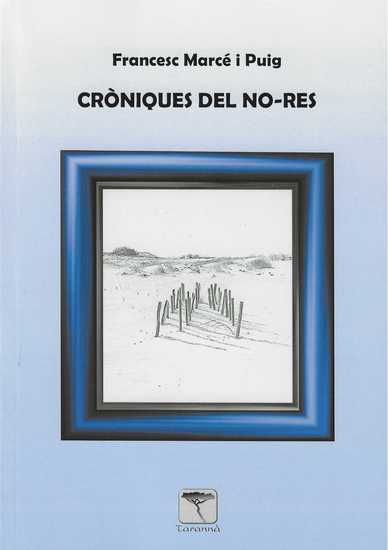
    Este libro es una recopilación de poemas dividido en cuatro partes: Poemas impertinentes, Aforismos para subsistir, Contra-refranes y Epigramas implacables, Todas ellas con un fondo común: Una visión crítica, por no decir sarcástica del momento actual que nos ha tocado vivir, tanto a nivel individual, político o colectivo.
        Ya sean hechos de una mínima o máxima trascendencia siempre, el autor intento quitarles todo el zumo posible (a los poemas). Por eso siempre tienen cierto cariz de fábula con moraleja final, cierto cariz aforístico, que resultan inesperadas, creativas, enriquecen el lenguaje y, en último término, invitan a cambiar la forma que tenemos de concebir una realidad concreta.
    Voir livre
  • Nausica: Tragedia en tres actes treta de l'Odissea d'Homer - cover

    Nausica: Tragedia en tres actes...

    Joan Maragall

    • 0
    • 0
    • 0
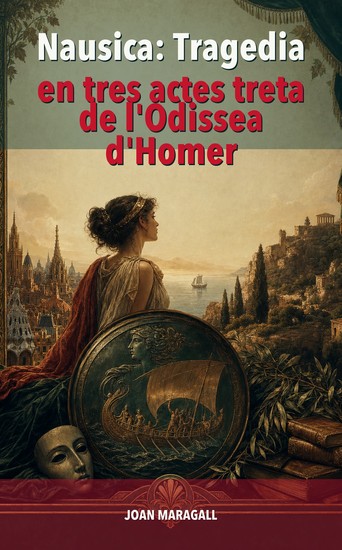
    "Nausica: Tragedia en tres actes treta de l'Odissea d'Homer" by Joan Maragall is a tragedy written between 1908 and 1911. This posthumous work reimagines the encounter between adolescent Princess Nausica and the mature hero Ulysses as he journeys home to Ithaca. Inspired by Goethe's version, Maragall explores the impossible attraction between the youthful princess and the seasoned wanderer, each bound by their inescapable destinies. The tragedy concludes with a tearful farewell rather than despair, as both characters accept their separate fates. This Catalan-language digital edition is prepared with active navigation, clean typography, a custom cover and a reading file stripped of source-site notices, donation text and unnecessary external links.
    Voir livre
  • La bona gent: Obra en quatre actes - cover

    La bona gent: Obra en quatre actes

    Santiago Rusinol

    • 0
    • 0
    • 0
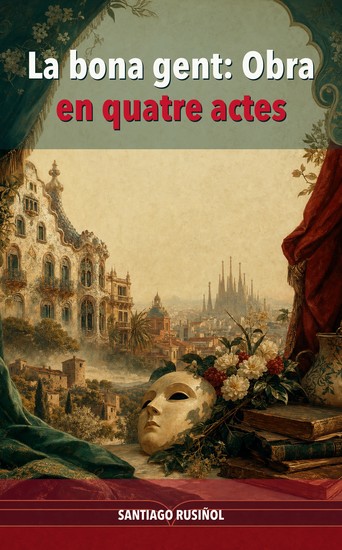
    "La bona gent: Obra en quatre actes" by Santiago Rusiñol is a theatrical play written in the early 20th century. This work explores societal dynamics through the lens of characters involved in a pawnbroking establishment, revealing the struggles and interactions among the economically deprived and the well-off. The play presents a rich tapestry of characters including Sr. Batista, the pawnbroker, who navigates the moral complexities related to his business and interactions with customers and family. The opening of the play introduces us to a bustling pawnbroker's shop where various characters come and go, each bringing their struggles and personal histories. Sr. Batista is depicted as shrewd yet sympathetic, often reflecting on the nature of poverty and human dignity as he deals with customers like a desperate woman seeking money for her sick husband. The conversations among Batista's employees and customers reflect a blend of humor and commentary on social class, loyalty, and the harsh realities of life. As the characters navigate their relationships, Rusiñol sets the stage for deeper explorations of themes such as familial obligation, societal norms, and individual aspirations. This Catalan-language digital edition is prepared with active navigation, clean typography, a custom cover and a reading file stripped of source-site notices, donation text and unnecessary external links.
    Voir livre