Begleiten Sie uns auf eine literarische Weltreise!
Buch zum Bücherregal hinzufügen
Grey
Einen neuen Kommentar schreiben Default profile 50px
Grey
Jetzt das ganze Buch im Abo oder die ersten Seiten gratis lesen!
All characters reduced
Macbeth - cover

Macbeth

William Shakespeare

Verlag: DigiCat

  • 0
  • 0
  • 0

Beschreibung

William Shakespeare's "Macbeth" is a haunting tragedy that delves into the dark realms of ambition, power, and moral corruption. Set in Scotland amidst a backdrop of supernatural prophecies and political intrigue, the play masterfully employs rich poetic language and tight dramatic structure to explore the psychological descent of its titular character. Shakespeare's use of soliloquies reveals the inner turmoil of Macbeth and Lady Macbeth, illuminating their complex motivations and moral dilemmas. The interplay of fate and free will, coupled with themes of guilt and paranoia, situates "Macbeth" within the broader context of Renaissance drama while also addressing timeless human concerns. William Shakespeare, widely regarded as the greatest playwright in the English language, wrote "Macbeth" around 1606, possibly during a period of political instability in England. His own experiences with power dynamics, societal expectations, and the supernatural likely influenced this poignant exploration of unchecked ambition and its dire consequences. Shakespeare's keen understanding of human psychology and the socio-political landscape of his time resonated in his works, with "Macbeth" serving as a powerful commentary on the human condition. "Macbeth" is an essential read for anyone interested in the complexities of human ambition and moral ambiguity. It captivates with its vivid imagery and profound themes, inviting readers to reflect on their own ambitions and the lengths to which they might go to achieve them. This timeless tragedy remains relevant, fostering discussions about ethics, power, and the psychological repercussions of our choices.
Verfügbar seit: 28.05.2022.
Drucklänge: 191 Seiten.

Weitere Bücher, die Sie mögen werden

  • Burning Secret - A New Translation - cover

    Burning Secret - A New Translation

    Stefan Zweig

    • 0
    • 0
    • 0
    He thought he had found a friend. He was only a means to an end. 
    At a fashionable Austrian spa resort, twelve-year-old Edgar is thrilled when a sophisticated Baron befriends him. For the first time, an adult treats him as an equal, promises adventures, fills the void left by his distant father. Edgar has never felt so valued, so important. 
    But the Baron's charm is calculated. His real interest is Edgar's mother—beautiful, refined, her husband conveniently absent in Vienna. The boy is merely the key for proximity, the cover for increasingly intimate encounters with a married woman. 
    As Edgar watches them together—their coded conversations, their elaborate charade of accidental meetings—he senses something he cannot name. Jealousy transforms into confusion, confusion into terrible understanding: he has been used, manipulated, discarded. The friendship never existed. The Baron never cared at all. 
    Stefan Zweig's devastating novella captures the precise moment when childhood ends—not through gentle education but through betrayal. Set in pre-World War I Austria, where beautiful surfaces conceal sordid calculations, Burning Secret is a masterpiece of psychological intensity: innocence confronting adult duplicity, a child forced into knowledge that scars rather than enlightens. 
    Some secrets burn so deeply that innocence can never be recovered.
    Zum Buch
  • After the Fall: Dirges Among Ruins - cover

    After the Fall: Dirges Among Ruins

    Eric Tinsay Valles

    • 0
    • 1
    • 0
    This collection explores the creative space of poetry as a means to unravel feelings evoked by the violence of war or by everyday traumatic events. One may come to terms with uncomfortable, including unspeakable, feelings by describing them with imagery from nature and one’s immediate environment. By participating in grieving, the self can better face any lingering effects of trauma. In this creative space, dramatic speakers retell stories and give vent to contradictory feelings through silences and free play. Their accounts attest to the dappled beauty of the human condition even if the full nature, scope and effects of traumatic memories are always beyond their grasp.
    Zum Buch
  • Rhyme A Dozen A - Sufi’s - 12 Poets 12 Poems 1 Topic - cover

    Rhyme A Dozen A - Sufi’s - 12...

    Jalaluddin Rumi, Saadi,...

    • 0
    • 0
    • 0
    ‘A dime a dozen’ as known in America, is perhaps equal to the English ‘cheap as chips’ but whatever the lingua franca of your choice in this series we hereby submit ‘A Rhyme a Dozen’ as 12 poems on many given subjects that are a well-rounded gathering, maybe even an essential guide, from the knowing pens of classic poets and their beautifully spoken verse to the comfort of your ears. 
     
    1 - A Rhyme A Dozen - 12 Poems, 12 Poets, 1 Topic - Sufi's - An Introduction 
    2 - A World with No Boundaries by Jalaluddin Rumi 
    3 - One Body by Saadi 
    4 - An Ocean Without Shore by Muhyiddin Ibn Arabi 
    5 - All Pervading Consciousness by Farid ud-Din Attar 
    6 - Your Hope Is My Heart by Rabia al Basri 
    7 - Song 9 - Oh How May I Ever Express That Secret Word by Kabir 
    8 - Beauty of Truth by Khwaja Ghulam Farid 
    9 - Neither Hindu Nor Muslim by Bulleh Shah 
    10 - Sleep on Thine Eyes by Hafiz 
    11 - A Life Without Love by Shams Tabrizi 
    12 - Kalam - I  by Sultan Bahu 
    13 - The Walled Garden by Sanai Ghaznavi
    Zum Buch
  • A Dream Play - cover

    A Dream Play

    August Strindberg

    • 0
    • 0
    • 0
    A Dream Play (Swedish: Ett drömspel) was written in 1901 by the Swedish playwright August Strindberg. It was first performed in Stockholm on 17 April 1907. It remains one of Strindberg's most admired and influential dramas, seen as an important precursor to both dramatic Expressionism and Surrealism.  The primary character in the play is Agnes, a daughter of the Vedic god Indra. She descends to Earth to bear witness to problems of human beings. She meets about 40 characters, some of them having a clearly symbolical value (such as four deans representing theology, philosophy, medicine, and law). After experiencing all sorts of human suffering (for example poverty, cruelty, and the routine of family life), the daughter of gods realizes that human beings are to be pitied.  - Summary by WikipediaCast List:The Daughter of Indra (Agnes); Voice of the Women (+ All); The Crew: Amanda FridayThe Officer (+All in III): Ron AltmanThe Lawyer; All Right-Minded: Chuck WilliamsonThe Poet: Lucy PerryThe Voice of Indra: om123The Glazier; Voice of the Men, Tenor and Bass (+All); The Crew: alanmapstoneThe Father; He (+All); The Second Coalheaver; Dean of Philosophy: ToddHWThe Mother: Margaret EspaillatLena: Rebecca Braunert-PlunkettThe Portress; The Wife; The Gentleman: CaprishaPageThe Billposter: EccentricOwlVictoria (also "A Woman's Voice from Above"); She (+All): Elizabeth KlettThe Ballet Girl; Voice of the Children (+All); The Crew: Frances BrownThe Male Chorus Singer; The Boy (+All the Boys): Libby GohnThe Prompter; The Blind Man (+All): Mary JThe Policeman; The Husband; Dean of Jurisprudence: Arnaldo MachadoChristine; The First Coalheaver: KHandThe Master of Quarantine (+All in Act II): Zachary Brewster-GeiszThe Pensioner (+ All); The Naval Officer; Dean of Theology: Prachi PendseThe Maids; The Lady; Don Juan: WoollyBeeEdith; Dean of Medicine: Anna SimonThe Teacher: SavannahLord Chancellor: Josh KirshNarrator: Sarah TerryEdited by Chuck Williamson
    Zum Buch
  • Emaux et Camees - cover

    Emaux et Camees

    Théophile Gauthier

    • 0
    • 0
    • 0
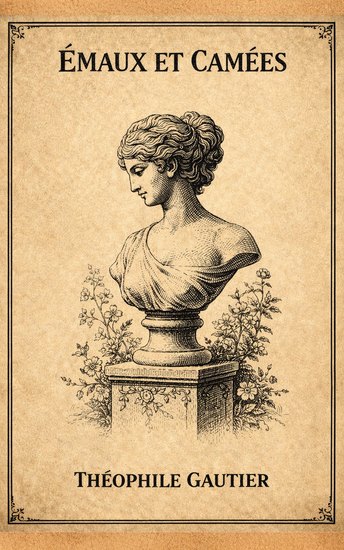
    Emaux et Camées by Théophile Gautier is a celebrated collection of poetry that stands as a defining work of the nineteenth-century aesthetic movement. Renowned for its precision, elegance, and devotion to artistic beauty, this volume reflects Gautier's belief in "art for art's sake"—the idea that art exists not to moralize or instruct, but to embody pure form and refined expression.
    
    The title, which translates to Enamels and Cameos, evokes miniature works of art—carefully crafted, polished, and enduring. In the same spirit, each poem in this collection is meticulously shaped, displaying Gautier's mastery of rhythm, imagery, and structure. His verses are vivid and sculptural, transforming fleeting moments into lasting artistic impressions. Like finely carved cameos, the poems capture scenes, emotions, and reflections with delicate precision.
    
    Throughout the collection, Gautier explores themes of beauty, mythology, love, mortality, art, and memory. Classical influences blend seamlessly with romantic sensibilities, creating a body of work that feels both timeless and deeply personal. Statues, paintings, landscapes, and historical figures come alive through his lyrical craftsmanship, revealing a poet deeply attuned to visual and sensory detail.
    
    Unlike more overtly emotional or political poetry of his era, Gautier's work often maintains a controlled and polished tone. His language is exacting and musical, emphasizing balance and harmony. Yet beneath the surface refinement lies profound contemplation—meditations on the permanence of art compared to the fragility of human life, and on the enduring power of beauty in a changing world.
    
    Emaux et Camées is widely regarded as one of Gautier's finest achievements and a cornerstone of French poetic tradition. Its influence extended beyond literature, shaping later movements that valued aesthetic purity and stylistic perfection. Readers encountering this collection will discover poetry that invites careful appreciation—verses that shimmer with clarity, artistry, and enduring grace.
    
    Elegant, reflective, and masterfully composed, Emaux et Camées remains a timeless tribute to the transformative power of artistic expression.
    Zum Buch
  • The Divine Comedy - cover

    The Divine Comedy

    Alighieri Dante

    • 0
    • 0
    • 0
    "Midway upon the journey of our life, I found myself within a forest dark, for the straightforward pathway had been lost."
    
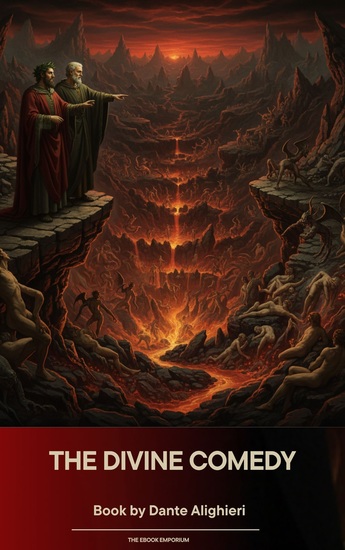
    Embark on the ultimate pilgrimage of the human soul. Written while in exile, Dante Alighieri's Divine Comedy is a towering achievement of world literature, a three-part journey that explores the totality of human experience, sin, and redemption. Guided by the Roman poet Virgil and the idealized Beatrice, Dante travels through the three realms of the afterlife in a quest to understand the justice and love of the divine.
    
    The Architecture of Justice: In Inferno, witness the meticulous "contrapasso"—the symbolic retribution where the punishment fits the crime. From the lustful swept by eternal storms to the treacherous encased in ice, Dante's vision of Hell is as terrifying as it is intellectually profound.
    
    The Path to Enlightenment: Ascend through Purgatorio, a realm of hope and effort, where the weight of worldly sin is slowly washed away. Finally, soar into Paradiso, where Dante transcends the physical world to explore the celestial spheres of heaven. Here, the poem transforms into a breathtaking work of light, geometry, and philosophical wonder, culminating in a vision of the "Love that moves the sun and the other stars."
    
    A Universal Masterpiece: The Divine Comedy is more than a religious text; it is a political satire, a romantic tribute, and a scientific encyclopedia of medieval thought. It remains the definitive map of the human conscience and one of the most beautiful poems ever composed.
    
    Walk the path of the soul. Purchase "The Divine Comedy" today and experience the height of the Western imagination.
    Zum Buch