Camp Hygiene Tips
Victor Healey
Traducteur A AI
Maison d'édition: Publifye
Synopsis
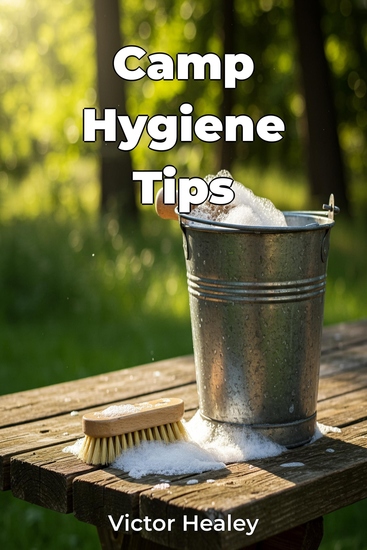
Camp Hygiene Tips addresses the vital need for sanitation and disease prevention in camp settings, offering practical guidelines for maintaining clean facilities and managing waste effectively. The book highlights that poor sanitation can lead to outbreaks of waterborne diseases and infections, emphasizing the importance of proper hygiene practices for overall well-being. Did you know that even before germ theory was fully understood, civilizations recognized the link between sanitation and health? This book uniquely translates complex scientific information into easily understandable guidelines. It begins with fundamental hygiene concepts, progresses through water safety, food handling, and personal hygiene, and culminates in waste management techniques. It emphasizes that preventative hygiene practices are the most effective tool for combating disease in camp environments. The book's recommendations are grounded in research from organizations, such as the WHO and CDC, and demonstrates how elements of sociology are relevant when looking at group behavior in a camp setting and strategies for effective education.
Disponible depuis: 19/02/2025.
Longueur d'impression: 99 pages.