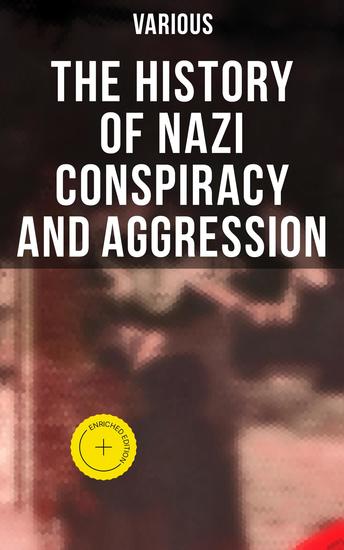
The History of Nazi Conspiracy and Aggression - Enriched edition
Various Various
Maison d'édition: Musaicum Books
Synopsis
The History of Nazi Conspiracy and Aggression is a comprehensive and meticulously researched book that delves into the dark and complex web of the Nazi regime's schemes and acts of aggression. Through a detailed analysis of primary sources and historical records, the book provides a thorough examination of the political, military, and ideological strategies employed by the Nazis during World War II. The author's writing style is analytical and objective, offering a scholarly account of the events while also highlighting the human impact of Nazi atrocities. The book is a valuable contribution to the study of World War II and serves as a cautionary tale about the dangers of totalitarianism and extremist ideologies. Various authors collaborated on this project, lending their expertise in different aspects of Nazi history to create a comprehensive and enlightening narrative. Their collective research and insights offer readers a multifaceted understanding of the motivations and consequences of Nazi conspiracy and aggression. I highly recommend this book to anyone interested in gaining a deeper understanding of the complexities of World War II and the lasting impact of Nazi ideology on the world.

In this enriched edition, we have carefully created added value for your reading experience:
- An Introduction draws the threads together, discussing why these diverse authors and texts belong in one collection.
- Historical Context explores the cultural and intellectual currents that shaped these works, offering insight into the shared (or contrasting) eras that influenced each writer.
- A combined Synopsis (Selection) briefly outlines the key plots or arguments of the included pieces, helping readers grasp the anthology's overall scope without giving away essential twists.
- A collective Analysis highlights common themes, stylistic variations, and significant crossovers in tone and technique, tying together writers from different backgrounds.
- Reflection questions encourage readers to compare the different voices and perspectives within the collection, fostering a richer understanding of the overarching conversation.
Disponible depuis: 17/12/2020.
Longueur d'impression: 2003 pages.