Unisciti a noi in un viaggio nel mondo dei libri!
Aggiungi questo libro allo scaffale
Grey
Scrivi un nuovo commento Default profile 50px
Grey
Iscriviti per leggere l'intero libro o leggi le prime pagine gratuitamente!
All characters reduced
Mastering Large Language Models with Python - Unleash the Power of Advanced Natural Language Processing for Enterprise Innovation and Efficiency Using Large Language Models (LLMs) with Python - cover

Mastering Large Language Models with Python - Unleash the Power of Advanced Natural Language Processing for Enterprise Innovation and Efficiency Using Large Language Models (LLMs) with Python

Raj R

Casa editrice: Orange Education Pvt Ltd

  • 0
  • 0
  • 0

Sinossi

A Comprehensive Guide to Leverage Generative AI in the Modern Enterprise
Book Description
“Mastering Large Language Models with Python” is an indispensable resource that offers a comprehensive exploration of Large Language Models (LLMs), providing the essential knowledge to leverage these transformative AI models effectively. From unraveling the intricacies of LLM architecture to practical applications like code generation and AI-driven recommendation systems, readers will gain valuable insights into implementing LLMs in diverse projects. Covering both open-source and proprietary LLMs, the book delves into foundational concepts and advanced techniques, empowering professionals to harness the full potential of these models. Detailed discussions on quantization techniques for efficient deployment, operational strategies with LLMOps, and ethical considerations ensure a well-rounded understanding of LLM implementation.
Through real-world case studies, code snippets, and practical examples, readers will navigate the complexities of LLMs with confidence, paving the way for innovative solutions and organizational growth. Whether you seek to deepen your understanding, drive impactful applications, or lead AI-driven initiatives, this book equips you with the tools and insights needed to excel in the dynamic landscape of artificial intelligence.
Table of Contents
1. The Basics of Large Language Models and Their Applications
2. Demystifying Open-Source Large Language Models
3. Closed-Source Large Language Models
4. LLM APIs for Various Large Language Model Tasks
5. Integrating Cohere API in Google Sheets
6. Dynamic Movie Recommendation Engine Using LLMs
7. Document-and Web-based QA Bots with Large Language Models
8. LLM Quantization Techniques and Implementation
9. Fine-tuning and Evaluation of LLMs
10. Recipes for Fine-Tuning and Evaluating LLMs
11. LLMOps - Operationalizing LLMs at Scale
12. Implementing LLMOps in Practice Using MLflow on Databricks
13. Mastering the Art of Prompt Engineering
14. Prompt Engineering Essentials and Design Patterns
15. Ethical Considerations and Regulatory Frameworks for LLMs
16. Towards Trustworthy Generative AI (A Novel Framework Inspired by Symbolic Reasoning)      
Index
Disponibile da: 16/04/2024.

Altri libri che potrebbero interessarti

  • Data Mesh - What Is Data Mesh? Principles of Data Mesh Architecture - cover

    Data Mesh - What Is Data Mesh?...

    Brian Murray

    • 0
    • 0
    • 0
    Data Mesh is a revolutionary new approach to data management and organization that has the potential to transform the way we think about data and its role in driving business outcomes. In this book, we explore the principles of Data Mesh and its application to the field of Data Science. 
    At its core, Data Mesh is about decentralizing data ownership and empowering teams to take ownership of their own data domains. By breaking down data silos and enabling teams to collaborate more effectively, Data Mesh creates a more agile and scalable approach to data management that can adapt to the ever-changing needs of modern businesses. 
    In the context of Data Science, Data Mesh provides a powerful framework for organizing and analyzing data in a way that enables teams to drive insights and make data-driven decisions. By enabling Data Science teams to work with data that is organized and managed in a more decentralized and collaborative way, Data Mesh can help to accelerate the pace of innovation and improve the quality of insights generated. 
    In this book, we will explore the principles of Data Mesh and its application to Data Science in detail, providing practical guidance and real-world examples of how organizations can leverage this approach to drive better outcomes. From data modeling and governance to data visualization and analysis, we will cover all aspects of Data Mesh and its impact on the world of Data Science. 
    Whether you are a Data Scientist, a data engineer, or a business leader looking to transform your organization's data management practices, this book is an essential guide to understanding and leveraging the power of Data Mesh. With its clear explanations, practical guidance, and real-world examples, this book will help you to unlock the full potential of your data and drive better outcomes for your organization.
    Mostra libro
  • Fly Fishing Small Streams - cover

    Fly Fishing Small Streams

    John Gierach

    • 0
    • 0
    • 0
    Small-stream fishing wisdom with the same insight and pungent humor that has become Gierach's trademark. Advice on tackle selecting, reading water, and scouting.
    Mostra libro
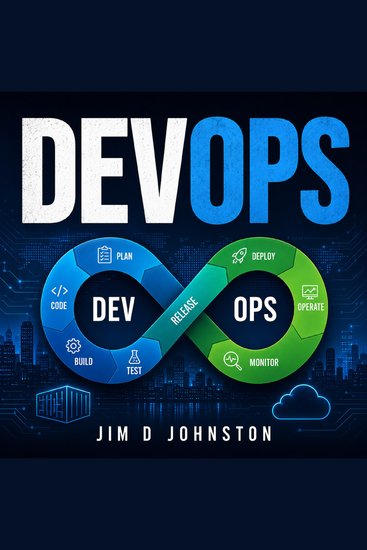
  • DevOps - cover

    DevOps

    Jim D Johnston

    • 0
    • 0
    • 0
    Bridge the gap between software development and IT operations with a modern approach to building, deploying, and maintaining reliable systems at scale. 
    DevOps is a practical and beginner-friendly guide to understanding how DevOps practices transform the way teams deliver software. By combining development and operations into a unified workflow, DevOps enables faster releases, improved collaboration, and more stable systems. 
    This book breaks down complex tools and practices into simple concepts that help readers understand how modern software systems are built, tested, deployed, and monitored in real-world environments.
    Mostra libro
  • Hubris - The Rise Fall and Future of Humanity - cover

    Hubris - The Rise Fall and...

    Thomas Trappe, Johannes Krause

    • 0
    • 0
    • 0
    Humans are the most intelligent beings this planet has ever produced. But how is it that we find ourselves faced with an existential crisis that threatens to overwhelm us? 


    Leading archaeogeneticist Johannes Krause and journalist Thomas Trappe investigate what DNA can tell us about how we got where we are and what our future might be. They show how the first humans were defeated again and again and suffered fatal setbacks, and how Homo sapiens succeeded in conquering continents, overcoming natural borders, and bringing other species under its control. But the genetic blueprint that enabled us to get to the place where we are today had one flaw: it didn't factor in planetary boundaries. Now that we are approaching those boundaries for the first time after millions of years of evolution, an urgent question arises: can we learn to live within the planetary limits, or are we doomed by our DNA to continue to expand, consume, and absorb the resources around us to the point of exhaustion, consigning ourselves and other species to extinction? 


    While the looming climate crisis does not augur well for humanity's capacity to adapt to the new situation in which it finds itself, we are not at the mercy of our DNA—or at least we don't have to be. But can we harness the lessons of the past to survive the present?
    Mostra libro
  • Computer Networking: Network+ Certification Study Guide for N10-008 Exam 2 Books in 1 - Beginners Guide to Network Fundamentals Protocols & Enterprise Network Infrastr - cover

    Computer Networking: Network+...

    Richie Miller

    • 0
    • 0
    • 0
    If you want to PASS the CompTIA Network+ Certification, this book is for you! 
    GET THIS BOOK NOW AND START LEARNING TODAY!
    Mostra libro
  • Iterative Development - Building Better Software through Incremental Progress - cover

    Iterative Development - Building...

    May Sherry

    • 0
    • 0
    • 0
    In today's fast-paced technology landscape, the ability to adapt quickly and efficiently is essential for success. "Iterative Development: Building Better Software through Incremental Progress" provides a comprehensive guide to mastering iterative development methodologies, helping software developers, project managers, and tech enthusiasts transform their approach to building robust, high-quality software products. 
    This book delves into the core principles of iterative development, emphasizing the importance of incremental progress, continuous feedback, and flexibility. It offers a detailed examination of the iterative development lifecycle, from planning and requirement analysis to design, implementation, testing, and review. By exploring various methodologies such as Agile, Lean, and Extreme Programming (XP), readers will gain a thorough understanding of how to effectively apply iterative development practices to their projects. 
    Packed with practical insights, real-world case studies, and best practices, "Iterative Development" addresses the common challenges faced in iterative development, such as managing iterations, balancing speed and quality, and overcoming resistance to change. The book also highlights the tools and technologies that facilitate iterative development, including project management tools, version control systems, and continuous integration/continuous deployment (CI/CD) pipelines. 
    "Iterative Development: Building Better Software through Incremental Progress" is an essential resource for anyone looking to enhance their software development processes, improve product quality, and stay ahead in a competitive industry. Join the journey towards continuous improvement and discover how iterative development can revolutionize the way you build software. 
     
    Mostra libro