
Rejoignez-nous pour un voyage dans le monde des livres!
Ajouter ce livre à l'électronique
Grey
Ecrivez un nouveau commentaire Default profile 50px
Grey
Abonnez-vous pour lire le livre complet ou lisez les premières pages gratuitement!
All characters reduced
Paris is My Destination - cover

Paris is My Destination

Pasquale De Marco

Maison d'édition: Publishdrive

  • 0
  • 0
  • 0

Synopsis

Journey to the heart of Paris and discover its timeless beauty, rich history, and vibrant culture. This captivating book takes you on an immersive tour of the City of Lights, revealing its iconic landmarks, hidden gems, and the stories of the people who call it home.

From the moment you arrive in Paris, you'll be captivated by its charm and elegance. Stroll along the Champs-Élysées, marvel at the grandeur of the Eiffel Tower, and explore the countless museums and art galleries that line the Seine River. Immerse yourself in the vibrant atmosphere of the Latin Quarter, with its charming cafes, independent shops, and lively street performers.

But Paris is more than just its famous sights. It's a city where history and culture come alive. Visit the Louvre Museum and gaze upon masterpieces by Leonardo da Vinci, Michelangelo, and Rembrandt. Delve into the city's rich past at the Musée d'Orsay, where you'll find works by Monet, Renoir, and Van Gogh. And don't miss the Palace of Versailles, a stunning testament to the opulence of the French monarchy.

But what truly sets Paris apart is its people. This book introduces you to a diverse cast of characters who embody the spirit of the city. Meet artists, musicians, chefs, and other colorful individuals who share their unique perspectives on life in Paris. Their stories will inspire you, make you laugh, and give you a deeper understanding of this extraordinary city.

Whether you're a seasoned traveler or a first-time visitor, this book will transport you to the heart of Paris and leave you longing to return. With its evocative descriptions, insightful commentary, and stunning photography, this book is the perfect companion for anyone who loves Paris or dreams of visiting one day.


If you like this book, write a review!
Disponible depuis: 02/06/2025.
Longueur d'impression: 150 pages.

D'autres livres qui pourraient vous intéresser

  • Olmec Civilization - The First American Empire and Giant Stone Heads of Mesoamerica - cover

    Olmec Civilization - The First...

    Rolf Hedger

    • 0
    • 0
    • 0
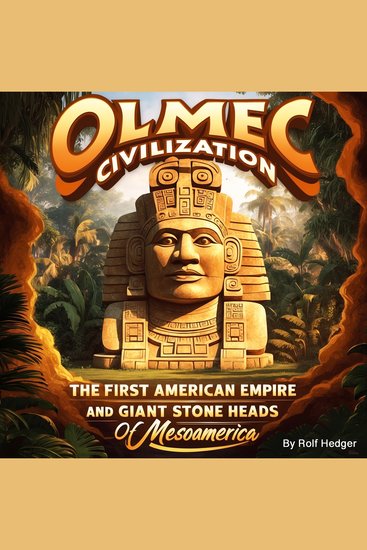
    The Olmec civilization, often regarded as the "Mother Culture" of Mesoamerica, emerged around 1200 BCE in the tropical lowlands of present-day southern Mexico, specifically in the Gulf Coast region. This area, rich in natural resources, served as the cradle for one of the earliest and most influential cultures in the Americas. The Olmec are best known for their monumental stone heads, intricate artwork, and the development of many foundational aspects of Mesoamerican civilization. 
    The origins of the Olmec civilization can be traced back to a combination of environmental factors, agricultural innovations, and the development of social structures. The region’s fertile lands provided an abundant supply of food, particularly maize, which became the cornerstone of Olmec agriculture. The availability of other crops, such as beans, squash, and cassava, further supported the growth of a settled society. The Olmec were skilled farmers, and their ability to adapt to the challenging conditions of the tropical lowlands allowed them to create surplus food, leading to population growth and the emergence of more complex social and political systems. 
    One of the defining features of the Olmec civilization was the rise of their urban centers, most notably San Lorenzo, La Venta, and Tres Zapotes. These cities became hubs of political and religious activity, with powerful rulers who controlled vast territories. The creation of these urban centers marked a shift from small, scattered villages to larger, more centralized societies. The Olmec rulers established authority through both political power and religious influence, often associating themselves with divine figures and acting as intermediaries between the gods and the people. This centralization of power allowed for the coordination of large-scale construction projects, such as the creation of the colossal stone heads and other monumental sculptures.
    Voir livre
  • Furnace of the Lord - Reflections on the Redemption of the Holy City - cover

    Furnace of the Lord -...

    Elisabeth Elliot

    • 0
    • 0
    • 0
    This is a book written nearly 60 years ago of Elisabeth’s reflections on the trip she made to Israel just three months after the 1967 Six-Day Arab-Israeli War. With input from many there, Elisabeth takes the reader/listener on a journey of perspective.
    Voir livre
  • Caral-Supe Civilization - The First Civilization in the Americas and Peru's Oldest City - cover

    Caral-Supe Civilization - The...

    Rolf Hedger

    • 0
    • 0
    • 0
    The Caral-Supe civilization, considered the first known civilization in the Americas, emerged around 5,000 years ago in the arid coastal region of present-day Peru. Often referred to as the "mother civilization" of the Andes, Caral-Supe predates other significant Andean cultures such as the Inca by millennia. Its capital city, Caral, located in the Supe Valley, is regarded as one of the oldest urban centers in the world. The discovery of this civilization has drastically reshaped our understanding of early American societies, highlighting the complexity and sophistication of pre-Columbian cultures in the Americas. 
    The story of Caral-Supe began with its discovery in the early 1990s, when archaeologist Ruth Shady and her team identified the ancient city of Caral, which had been largely overlooked until then. The site’s impressive architectural features and its well-planned urban layout revealed that the civilization had a deep understanding of engineering, agriculture, and social organization. Caral-Supe flourished for more than a thousand years, from roughly 3000 BCE to 1800 BCE, and was a major center of culture, trade, and religion in the region. 
    Geographically, the Caral-Supe civilization developed in the Supe Valley, a narrow strip of land located between the Pacific Ocean and the Andes Mountains. This region, although dry and arid, was strategically positioned to foster trade and communication with other cultures. The valley provided fertile land for agriculture, supported by sophisticated irrigation systems, which allowed the Caral-Supe civilization to thrive in such an inhospitable environment. This innovative agricultural system was a key factor in their ability to sustain large urban populations and build monumental structures.
    Voir livre
  • Guest Expectations in The Hospitality Property Industry - 2023 - Hotels-Resorts-Inns-Bed and Breakfasts-Vacation Homes - cover

    Guest Expectations in The...

    Gerry MacPherson

    • 0
    • 0
    • 0
    Gain a Fresh Perspective on Your Hospitality Property 
    When you pour your heart and soul into opening, developing, and managing your hotel, resort, inn, bed and breakfast, or vacation home, it's easy to become immersed in the day-to-day operations. But have you ever stopped to truly analyze your property objectively? 
    In this captivating book, I invite you to take a step back and view your property through the eyes of an outsider, embracing the big picture. Prepare to be astonished by what you discover. 
    Within these pages, you'll explore thought-provoking topics that will transform the way you perceive your hospitality property:How Does Your Property CompareHow to Become Your Own GuestIs Your Hospitality Property AccessibleIs Your Restaurant Meeting Its Potential?How to Get Endless ReferralsNegative Reviews Are Good For BusinessHow to Prepare For When Guests ReturnReopening Hotels, Resorts, Bed & Breakfasts etc. After COVID-19.What Will Your Guests Expect Post LockdownWhat Is The Future Of The Hospitality Property Industry 
    If you envision your property evolving alongside your guests in the future, then this book is an absolute must-read. 
    You can view this section as an individual course or watch it as part of the “Your Guide to Owning & Operating a Hospitality Property – Successfully” course. 
    Do you want to see your property as your guest do? Don’t hesitate. Sign up now!
    Voir livre
  • Cycling London 4th Edition - More than 40 Great Routes with detailed mapping - cover

    Cycling London 4th Edition -...

    Tom Bogdanowicz

    • 0
    • 0
    • 0
    London Cycling Guide, 4th Edition is your complete, newly updated guide to life in the bike lane! Written by the author of London's most popular cycling blog, and using years of experience and contributions from readers, it offers more than 40 leisurely bike routes covering both inner and outer London. Each itinerary is described in detail with a series of points of interest also pinpointed on an accompanying route map, including cafes, shops, and other must-stop spots. Boxed information with each route features the start point, likely duration, and some suggestions for where to eat and drink along the way. The book also covers important practical information on cycling, such as choosing the right bike for your style of cycling, tips on urban cycling, social cycling, and cycling with children, guidance on security and insurance, and information on accessories and clothing. This best-selling guide to cycling in London is completely updated with new routes, maps, and photographs. 
    Voir livre
  • Unravelling the Silk Road - Travels and Textiles in Central Asia - cover

    Unravelling the Silk Road -...

    Christopher Alexander

    • 0
    • 0
    • 0
    Three textile roads tangle their way through Central Asia. The famous Silk Road united east and west through trade. Older still was the Wool Road, of critical importance when houses made from wool enabled nomads to traverse the inhospitable winter steppes. Then there was the Cotton Road, marked by greed, colonialism and environmental disaster.
    
    At this intersection of human history, fortunes were made and lost through shimmering silks, life-giving felts and gossamer cottons. Chris Aslan, who has spent fifteen years living and working in the region, expertly unravels the strands of this tangled history and embroiders them with his own experiences of life in the heart of Asia.
    Voir livre