Begleiten Sie uns auf eine literarische Weltreise!
Buch zum Bücherregal hinzufügen
Grey
Einen neuen Kommentar schreiben Default profile 50px
Grey
Jetzt das ganze Buch im Abo oder die ersten Seiten gratis lesen!
All characters reduced
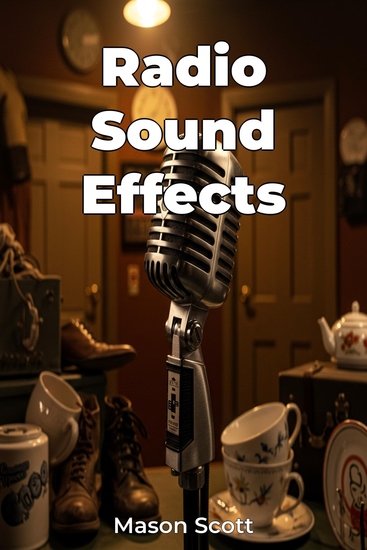
Radio Sound Effects - cover

Radio Sound Effects

Mason Scott

Übersetzer A AI

Verlag: Publifye

  • 0
  • 0
  • 0

Beschreibung

"Radio Sound Effects" explores the captivating history and artistry behind creating auditory illusions for radio broadcasts, particularly during its golden age. Long before advanced digital technology, sound effects artists ingeniously used everyday objects to produce convincing soundscapes, like galloping horses or bustling cities. This book examines how these techniques significantly enhanced storytelling, advertising, and listener engagement, transforming radio into a truly immersive experience.

 
The book charts the evolution of sound design in radio, highlighting practical techniques and their application across different genres such as radio drama and advertising. It delves into the art of Foley, where common objects were used to create realistic sounds, and explores how these effects were utilized to create suspense or establish atmosphere. By drawing on archival recordings and interviews, the book provides a comprehensive look at how sound effects artists shaped the auditory landscape of early radio.

 
Beginning with the principles of sound creation, the book progresses through the art of Foley, the use of sound effects in drama, and their role in advertising. Ultimately, "Radio Sound Effects" demonstrates the lasting legacy of these techniques and their continued relevance in modern audio production, making it a must-read for anyone interested in performing arts, music, or the history of radio.
Verfügbar seit: 31.03.2025.
Drucklänge: 64 Seiten.
Weitere Bücher, die Sie mögen werden

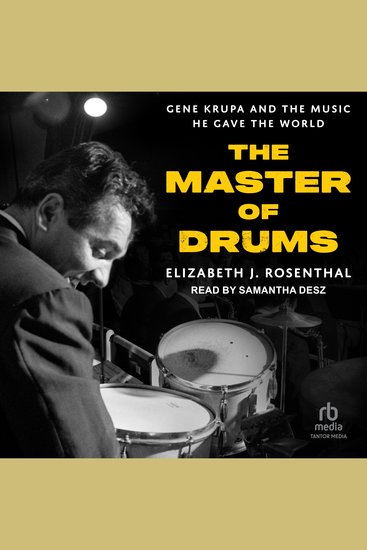
  • The Master of Drums - Gene Krupa and the Music He Gave the World - cover

    The Master of Drums - Gene Krupa...

    Elizabeth J. Rosenthal

    • 0
    • 0
    • 0
    From the early 1930s onward, Gene Krupa was a drum-centric rarity in the jazz world. Never before had a drummer been in the forefront as a solo artist. His galvanizing, unrestrained passion for percussion demanded it. Rocking the rafters, Gene thrilled audiences in ballrooms, nightclubs, and movies. 


    Seemingly born jazz-drum crazy in 1909 to a Polish-immigrant working-class family in South Chicago, Gene was a professional by the age of thirteen and soon made his first recordings. By the early 1930s, he was New York City's most in-demand drummer, and in 1934, joined brilliant clarinetist Benny Goodman's band, helped inaugurate the Swing Era, and played the first-ever swing concert at Carnegie Hall. He formed his own band and shattered racial boundaries by sharing the spotlight with the African-American trumpeter Roy Eldridge. But after a skyrocketing ride to the top, Gene experienced a rollercoaster ride of good and bad luck, emotional highs, and devastating depths. 


    In The Master of Drums, biographer Elizabeth J. Rosenthal crafts a celebratory, honest, and exhaustively researched portrait of a twentieth-century music legend. When he died, Gene Krupa may have left behind a world of grieving friends, colleagues, fans, students, and progeny, but as The Master of Drums proves, his dynamic musical and cultural influences live on.
    Zum Buch
  • Stars of the Silent Film Era - cover

    Stars of the Silent Film Era

    Editors Charles River

    • 0
    • 0
    • 0
    Only a select few actors become international stars in their time, but none had as unique a career as Charlie Chaplin. Chaplin was the first true film star, and he managed to do so even when films were still silent. He has been honored with too many awards to count, and the fact that his name remains instantly recognizable nearly a century after his first film is a testament to his influence.  
    In the 1920s, the burgeoning movie industry was starting to come into its own, and alongside actor and director Charlie Chaplin, Buster Keaton was at the peak of Hollywood. It’s no surprise that Keaton was so effective in silent films, because he had been practicing comedy in his family’s vaudeville acts as “The Little Boy Who Can’t Be Damaged”, becoming a popular performer by the age of 5. Indeed, his physical form of comedy, which initially involved having his father throwing him around the stage, translated well onto the screen, and some of his slapstick and other comic gags remain legendary even today. 
    Everything about Rudolph Valentino, from his body to the characters he played, was exotic. His career may have been abbreviated by his premature death at the age of 31, but Valentino popularized the (somewhat racist) stereotype of the “Latin lover” in Hollywood, and even his name was markedly more out of the ordinary than those of other actors.  
    Of all the great movie stars, there may be none more enigmatic than Greta Garbo, who remains internationally famous despite the fact her life and career raise more questions than answers. How did a Swedish actress with very little film acting experience in her native land arrive in the United States and achieve instant stardom? Most actresses had to wait years before they were offered starring roles in major films, yet Garbo was ushered to the front of the line and perched atop the MGM pantheon at a time in which it was the studio par excellence. 
    Zum Buch
  • Greatest Radio Shows Volume 4 - Ten Classic Shows from the Golden Era of Radio - cover

    Greatest Radio Shows Volume 4 -...

    Various Various

    • 0
    • 0
    • 0
    OASIS AUDIO CLASSIC RADIO SHOWCASE SERIES   Oasis Audio has gone into the vaults and dusted off the very earliest form of audio book, old time radio shows, for our listeners. Introduced episode by episode by Jim Engel, old time radio authority and board member of the Museum of Broadcast Communications in Chicago, this series of classic radio shows is sure to have something for everyone. Celebrity casts and top-notch writers made the 1920s through the early 1950s, the golden era of radio. The series features seven exciting themes with 100 episodes in each. That is 700 classic radio programs in all.   Greatest Radio Shows   New to Old-time Radio? Join Oasis Audio for 100 radio shows from across all genres. Thrill to detective stories and mysteries, Dig your spurs in for some dusty trail western adventures, laugh until you cry with the kings and queens of radio comedy, sit on the edge of your seat for the greatest radio dramas. Be filled with nostalgia as you enjoy this unique collection of 100 of the all-time best radio shows. Volume 4 Dr. Christian 1938_01_09 Hit and RunDragnet 1953_09_15 The Big CabDuffy’s Tavern 1949_03_16 The BullyEscape 1950_03_17 Three Skeleton KeyThe Fat Man 1951_01_17 The Nightmare MurdersFather Knows Best 1952_12_18 The Kids RevoltFBI in Peace and War 1957_01_20 Ladies in LaceFibber McGee and Molly 1941_05_20 Molly’s Birthday CakeThe First Nighter Program 1948_02_12 Love IS Stranger Than FictionFort Laramie 1956_01_29 The Boatwright’s Story
    Zum Buch
  • Cinema’s Frontline - War Films from Silent Era to the Modern Day - cover

    Cinema’s Frontline - War Films...

    Cameron Jameson

    • 0
    • 0
    • 0
    Unravel the Legacy: How War Films Shape and Reflect our World 
     
    Ever wondered how the silver screen has mirrored the tumultuous pages of history? How does cinema capture the essence of wars that have torn apart nations and rebuilt them? Cinema’s Frontline: War Films from Silent Era to the Modern Day delves deep into the heart of war films, revealing the profound ways they have impacted society and been influenced by it in return. 
     
    Take a journey back in time to the silent era, where the genre was born and cinema began its portrayal of war. Witness the transition from silent black-and-white portrayals to the technicolor epics of WWII, the emotional rawness of Vietnam War films, and the technological marvels of modern warfare movies. Along the way, explore the societal reflections, controversies, and ethical debates surrounding these films. 
     
    But it's not just about the films. It's about the people they represent. How has cinema portrayed veterans, women, and minorities over the decades? How have war films aided in healing trauma or fanning the flames of protest? This book will provide answers, unraveling the intricate relationship between cinema and society. From the pioneers of the silent era to the groundbreaking directors of today, discover the stories behind the stories on the big screen. 
     
    Dive into Cinema’s Frontline: War Films from Silent Era to the Modern Day to embark on an enlightening cinematic journey. Whether you’re a film enthusiast, a history buff, or someone intrigued by the interplay of art and society, this book promises to captivate, inform, and inspire. Secure your passage to a deeper understanding of war films and their indelible mark on culture and consciousness.
    Zum Buch
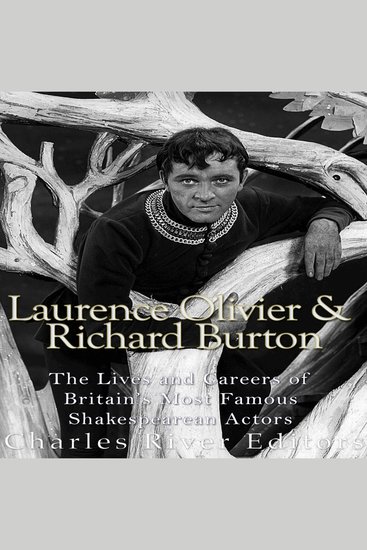
  • Laurence Olivier and Richard Burton: The Lives and Careers of Britain’s Most Famous Shakespearean Actors - cover

    Laurence Olivier and Richard...

    Editors Charles River

    • 0
    • 0
    • 0
    Of all the great actors of the 20th century, none personifies acting royalty more than Laurence Olivier, and some of this is simply due to the fact that he was actually knighted in 1947, along with a lengthy list of other honors that include being named a life peer in 1970 and admission to the Order of Merit in 1984. To speak of The Right Honourable Lord Laurence Olivier is not a figure of speech but rather a fact. Of course, in addition to the literal sense of the term, there is undeniably a manner in which Laurence Olivier qualifies as acting royalty, as it is not for nothing that Spencer Tracy once referred to Olivier as “the greatest actor in the English-speaking world” (Bacall). It is also important to note that Tracy refers to Olivier not as a film or theater actor specifically, because much of Olivier’s lofty standing derives from his ability to successfully navigate different mediums like stage, film, and television. The breadth of mediums in which he worked, the various roles he inhabited within them (actor, producer, director), and the formidable time span of his career lend Olivier’s career a scope of perhaps unmatched magnitude.   
    	In the 1960s, the most popular actor in the world was Richard Burton, a hard-drinking Welshman who was nevertheless so professional that he was one of the preeminent stage performers of his day. In fact, he performed Shakespeare so magnificently that he was compared to British legend Laurence Olivier, and that success ultimately led to a film career that earned him 7 Academy Award nominations, as well as BAFTA and Golden Globe awards for Best Actor. Given his accomplishments on the stage and in Hollywood, Burton became one of the world’s most recognizable leading men, so it seemed fitting that he engaged in one of Hollywood’s most legendary romances with Elizabeth Taylor.
    Zum Buch
  • Satavahana Empire - Buddhism Trade and the Power of the Deccan - cover

    Satavahana Empire - Buddhism...

    Rolf Hedger

    • 0
    • 0
    • 0
    The Satavahana Empire, one of the earliest and most influential dynasties in ancient India, emerged in the Deccan region after the decline of the Mauryan Empire. The origins of the Satavahanas remain a subject of historical debate, but they are believed to have belonged to the Andhra region, gaining prominence as local chieftains before consolidating their rule into a powerful dynasty. Their rise marked a significant transition in Indian history, bridging the gap between the Mauryan administration and later regional powers. 
    The early history of the Satavahanas is primarily reconstructed through inscriptions, numismatic evidence, and references in ancient texts. The Puranas mention them as the Andhra dynasty, while inscriptions such as the Naneghat and Nasik inscriptions provide valuable insights into their rulers and governance. The first known ruler of the dynasty, Simuka, is credited with establishing Satavahana rule by overthrowing remnants of Mauryan authority in the Deccan and expanding his control over parts of present-day Maharashtra, Telangana, and Andhra Pradesh. His successors continued to strengthen the empire, laying the foundation for centuries of Satavahana dominance. 
    Following Simuka, his brother and successor Krishna further expanded the territory, but it was under the reign of Satakarni I that the empire gained considerable power. Satakarni I led successful military campaigns, extending his influence northward to the Narmada region and challenging the Shunga and Kshatrapa rulers. His achievements were commemorated in inscriptions and coins, some of which depict him performing Vedic sacrifices such as the Ashvamedha, indicating his aspirations for imperial legitimacy. This period also saw the Satavahanas emerging as key players in trade, administration, and culture, integrating diverse communities into their governance system.
    Zum Buch