




ÉCOUTER EXTRAIT

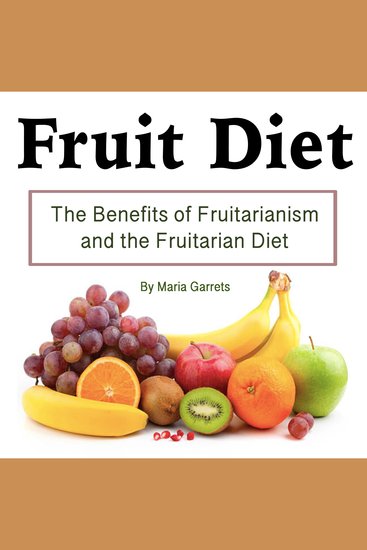
Fruit Diet - The Benefits of Fruitarianism and the Fruitarian Diet
Maria Garrets
Narrateur Melanie Griffin
Maison d'édition: Dedona Publishing
Synopsis
A fruit diet, also known as a fruitarian diet, primarily consists of consuming raw fruits and may also include nuts, seeds, and some vegetables. This diet emphasizes the consumption of raw fruits, varying in strictness but generally focusing on fruits while excluding or limiting other food groups such as grains, meat, and dairy. Some variations of the diet allow for the consumption of nuts, seeds, and certain vegetables.

One of the main benefits of a fruit diet is the high nutrient intake. Fruits are rich in essential vitamins, minerals, antioxidants, and dietary fiber. Additionally, fruits are generally low in calories and high in fiber, which can aid in weight management. The high water content in many fruits contributes to better hydration, and the fiber promotes healthy digestion and regular bowel movements.

However, there are potential risks associated with a fruit diet. Relying solely on fruits can lead to deficiencies in protein, fats, vitamin B12, iron, calcium, and other essential nutrients. The high sugar content in fruits, though natural, can be problematic for individuals with blood sugar management issues. The acids and sugars in fruits can also contribute to dental erosion and cavities. A restrictive diet may lead to boredom and difficulty in maintaining the diet long-term.
Durée: environ une heure (00:54:19)
Date de publication: 27/09/2024; Unabridged; Copyright Year: — Copyright Statment: —




