Join us on a literary world trip!
Add this book to bookshelf
Grey
Write a new comment Default profile 50px
Grey
Subscribe to read the full book or read the first pages for free!
All characters reduced
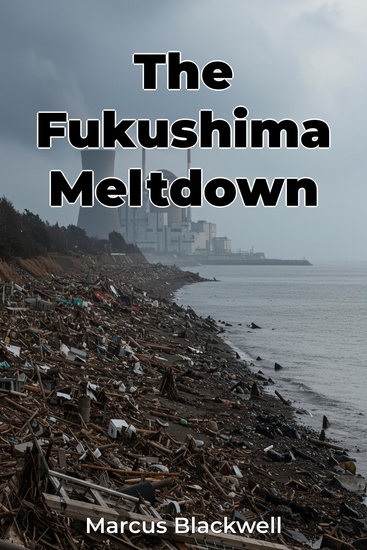
The Fukushima Meltdown - cover

The Fukushima Meltdown

Marcus Blackwell

Translator A AI

Publisher: Publifye

  • 0
  • 0
  • 0

Summary

The Fukushima Meltdown explores the devastating 2011 Fukushima Daiichi nuclear disaster and its profound impact on Japan's energy policies and the global perception of nuclear energy. The book meticulously reconstructs the events of the disaster, triggered by a massive earthquake and tsunami, while assessing the immediate and lasting environmental and health consequences. It further investigates the political and economic factors that shaped Japan’s response, highlighting the nation's deep reliance on nuclear power following the 1970s oil crises. The book unveils critical flaws in Japan's nuclear governance, corporate culture, and emergency response protocols, arguing these failures led to a preventable catastrophe and a subsequent crisis of public confidence. It gives voice to the experiences of those directly affected, moving beyond technical analysis to explore the social and psychological dimensions of the incident. Unfolding chronologically, the book begins with the events of March 11, 2011, analyzes the technical failures leading to the meltdowns, and then explores the aftermath, including evacuations and health monitoring. Ultimately, The Fukushima Meltdown provides a comprehensive account of the disaster, drawing from government reports, independent investigations, and interviews with affected residents, experts, and policymakers. It underscores the disaster's role as a stark reminder of the risks associated with nuclear power, reshaping Japan's energy landscape and prompting global policy shifts.
Available since: 02/17/2025.
Print length: 62 pages.

Other books that might interest you

  • Zionism - An Emotional State - cover

    Zionism - An Emotional State

    Derek J. Penslar

    • 0
    • 0
    • 0
    Emotion lies at the heart of all national movements, and Zionism is no exception. For those who identify as Zionist, the word connotes liberation and redemption, uniqueness and vulnerability. Yet for many, Zionism is a source of distaste if not disgust, and those who reject it are no less passionate than those who embrace it. The power of such emotions helps explain why a word originally associated with territorial aspiration has survived so many years after the establishment of the Israeli state. 


    Zionism: An Emotional State expertly demonstrates how the energy propelling the Zionist project originates from bundles of feeling whose elements have varied in volume, intensity, and durability across space and time. Beginning with an original typology of Zionism and a new take on its relationship to colonialism, Penslar then examines the emotions that have shaped Zionist sensibilities and practices over the course of the movement's history. The resulting portrait of Zionism reconfigures how we understand Jewish identity amidst continuing debates on the role of nationalism in the modern world.
    Show book
  • Locked Down Locked Out - Why Prison Doesn't Work and How We Can Do Better - cover

    Locked Down Locked Out - Why...

    Maya Schenwar

    • 0
    • 0
    • 0
    An analysis of the US prison system through real-life stories, and a look at the complex work of community-based social justice projects. 


    Through the stories of prisoners and their families, including her own family's experiences, Maya Schenwar shows how the institution that locks up 2.3 million Americans and decimates poor communities of color is shredding the ties that, if nurtured, could foster real collective safety. As she vividly depicts here, incarceration takes away the very things that might enable people to build better lives. But looking toward a future beyond imprisonment, Schenwar profiles community-based initiatives that successfully deal with problems—both individual harm and larger social wrongs—through connection rather than isolation, moving toward a safer, freer future for all of us. 


    "Maya Schenwar's stories about prisoners, their families (including her own), and the thoroughly broken punishment system are rescued from any pessimism such narratives might inspire by the author's brilliant juxtaposition of abolitionist imaginaries and radical political practices." —Angela Y. Davis, author of Are Prisons Obsolete?
    Show book
  • The Civic Bargain - How Democracy Survives - cover

    The Civic Bargain - How...

    Josiah Ober, Brook Manville

    • 0
    • 0
    • 0
    A powerful case for democracy and how it can adapt and survive—if we want it to 


    Is democracy in trouble, perhaps even dying? Pundits say so, and polls show that most Americans believe that their country's system of governance is being "tested" or is "under attack." But is the future of democracy necessarily so dire? In The Civic Bargain, Brook Manville and Josiah Ober push back against the prevailing pessimism about the fate of democracy around the world. Instead of an epitaph for democracy, they offer a guide for democratic renewal, calling on citizens to recommit to a "civic bargain" with one another to guarantee civic rights of freedom, equality, and dignity. That bargain also requires them to fulfill the duties of democratic citizenship: governing themselves with no "boss" except one another, embracing compromise, treating each other as civic friends, and investing in civic education for each rising generation. 


    Manville and Ober trace the long progression toward self-government through four key moments in democracy's history: Classical Athens, Republican Rome, Great Britain's constitutional monarchy, and America's founding. Comparing what worked and what failed in each case, they draw out lessons for how modern democracies can survive and thrive.
    Show book
  • Tim Walz Story The: A Fascinating Biography - cover

    Tim Walz Story The: A...

    Jordan Blake

    • 0
    • 0
    • 0
    Discover the inspiring journey of a political leader in The Tim Walz Story: A Fascinating Biography by Jordan Blake. This insightful account follows Walz from his humble beginnings in rural Nebraska to his influential career in public service. With a strong focus on education, healthcare, and veterans' rights, Walz has made a name for himself as a dedicated and compassionate leader who prioritizes the well-being of his community. 
    The biography covers key moments from his time in the National Guard, his tenure in the U.S. House of Representatives, and his eventual role as Minnesota’s governor. Listeners will gain a deeper understanding of Walz’s leadership style, his perseverance in the face of challenges, and his unwavering commitment to serving his community. Through his experiences and important milestones, this audiobook paints a vivid picture of the man behind the political achievements, offering readers an inspiring look at a leader who continues to leave a significant mark on the nation.
    Show book
  • Machiavelli - Philosopher of Power - cover

    Machiavelli - Philosopher of Power

    Anonymous

    • 0
    • 0
    • 0
    Part of the acclaimed Eminent Lives series, Machiavelli is a superb portrait of the brilliant and revolutionary political philosopher—history’s most famous theorist of “warfare, terror, murder, and bloodshed”—and the age he embodied. Ross King, the New York Times bestselling author of Brunelleschi’s Dome, argues that the author of The Prince was a far more complex and sympathetic character than is often portrayed.
    Show book
  • To the Person Sitting in Darkness - cover

    To the Person Sitting in Darkness

    Mark Twain

    • 0
    • 0
    • 0
    “The Person Sitting in Darkness” by Mark Twain is a searing political satire that exposes the hypocrisy and brutality of imperialism at the turn of the 20th century. With his signature wit and razor-sharp critique, Twain challenges the moral justifications used by Western powers—especially the United States—in their global conquests. Written in 1901, this provocative essay attacks the exploitation of weaker nations under the guise of civilization and religion, making it as relevant today as it was over a century ago. A must-read for fans of political commentary, anti-imperialist literature, and Twain’s bolder, less-publicized works.
    Show book