Begleiten Sie uns auf eine literarische Weltreise!
Buch zum Bücherregal hinzufügen
Grey
Einen neuen Kommentar schreiben Default profile 50px
Grey
Jetzt das ganze Buch im Abo oder die ersten Seiten gratis lesen!
All characters reduced
Disappearing Pure Korean Place Names - Pure place names replaced only to be found in history and memory - cover

Disappearing Pure Korean Place Names - Pure place names replaced only to be found in history and memory

Ki-bong Lee

Verlag: SAEMOONSA

  • 0
  • 0
  • 0

Beschreibung

Having been involved in sorting out and studying Korean place names for 18 years, I feel regretful in my heart. The Hanja transcriptions of pure Korean place names, which were written in old maps and geography books, were organized according to how they sounded. At some point I realized that the Hanja transcriptions were distorted versions of the names that were really used. However, as I had to sort out so many names in a short period of time, I could not even think of fixing the issues and always felt regretful in a corner of my mind. Writing this book is my small struggle to relieve that regretful feeling, at least a little.
Verfügbar seit: 03.04.2023.
Drucklänge: 370 Seiten.

Weitere Bücher, die Sie mögen werden

  • Fortune - How Race Broke My Family and the World--and How to Repair It All - cover

    Fortune - How Race Broke My...

    Lisa Sharon Harper

    • 0
    • 0
    • 0
    A Word & Way 2022 Book of the Year 
    Sojourners' 2022 Book Roundup to Inspire Faith and Justice 
     
    "Extraordinary. . . . Let this story of family, race, and resistance create anger in your spirit and ultimately inspire your heart to join the work to heal our nation and eventually our world."--Otis Moss III (from the foreword) 
     
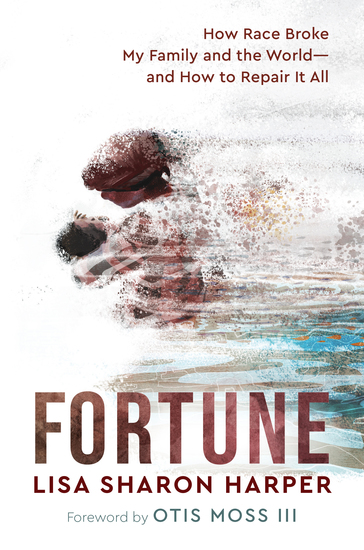
    Drawing on her lifelong journey to know her family's history, leading Christian activist Lisa Sharon Harper recovers the beauty of her heritage, exposes the brokenness that race has wrought in America, and casts a vision for collective repair. 
     
    Harper has spent three decades researching ten generations of her family history through DNA research, oral histories, interviews, and genealogy. Fortune, the name of Harper's first nonindigenous ancestor born on American soil, bore the brunt of the nation's first race, gender, and citizenship laws. As Harper traces her family's story through succeeding generations, she shows how American ideas, customs, and laws robbed her ancestors--and the ancestors of so many others--of their humanity and flourishing. 
     
    Fortune helps readers understand how America was built upon systems and structures that blessed some and cursed others, allowing Americans of European descent to benefit from the colonization, genocide, enslavement, rape, and exploitation of people of color. As Harper lights a path through national and religious history, she clarifies exactly how and when the world broke and shows the way to redemption for us all. The book culminates with a powerful and compelling vision of truth telling, reparation, and forgiveness that leads to Beloved Community. It includes a foreword by Otis Moss III, illustrations, and a glossy eight-page black-and-white insert featuring photos of Harper's family.
    Zum Buch
  • What God Would Have Known - How Human Intellectual and Moral Development Undermines Christian Doctrine - cover

    What God Would Have Known - How...

    J. L. Schellenberg

    • 0
    • 0
    • 0
    Classical Christian ideas loom large in philosophy of religion today. But arguments against Christian doctrine have been neglected. J. L. Schellenberg's new book remedies this neglect. 


    The tide of human development, which the early Christians might have expected to corroborate their teaching, has in fact brought many results that run contrary to that teaching. Or at least it will be seen to have done so, says Schellenberg, when we think about the consequences of any God existent then being fully cognizant, when Christian doctrine was first formed, of all that we have laboriously learned since then. Newly discovered facts, not just about such things as evolution and the formation of the New Testament but also about mental illness, violent punishment, the relations between women and men, and the status of same-sex intimacy, suggest new arguments against the content of the Christian revelation when the prior understanding of the purported revealer is taken into account. 


    What God Would Have Known offers a thorough and incisive treatment of its subject that remains respectful and fair-minded throughout. It is not concerned with the overworked question of whether classical Christians believe irrationally, but with what overlooked arguments about human development show in relation to the truth or falsity of Christian claims about reality.
    Zum Buch
  • The Picts - A History - cover

    The Picts - A History

    Tim Clarkson

    • 0
    • 0
    • 0
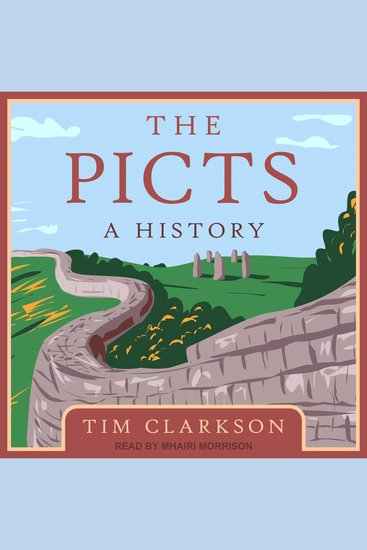
    A British historian explores the mysterious Scottish culture of the Iron Age and Early Middle Ages whose enigmatic symbols adorn standing stones. 


    The Picts were an ancient nation who ruled most of northern and eastern Scotland during the Dark Ages. Despite their historical importance, they remain shrouded in myth and misconception. Absorbed by the kingdom of the Scots in the ninth century, they lost their unique identity, their language, and their vibrant artistic culture. Among their few surviving traces are standing stones decorated with incredible skill and covered with enigmatic symbols. 


    The Pictish Stones offer some of the few remaining clues to the powerful and gifted people who bequeathed no chronicles to tell the sagas of their kings and heroes. In this book, Medieval historian Tim Clarkson pieces together the evidence to tell the story of this mysterious people from their emergence in Roman times to their eventual disappearance.
    Zum Buch
  • Basic Alchemical Meditation - How the Alchemists Meditated - cover

    Basic Alchemical Meditation -...

    Dennis William Hauck

    • 0
    • 0
    • 0
    This is a Basic Alchemical Meditation compounded from meditative techniques used by alchemists such as Paracelsus, Basil Valintine, and Jakob Boehme. There are three general steps in the full meditation that correspond to the three phases of alchemy. The first phase is the Nigredo (darkening, death, and putrefaction of the ego), which consists of two operations in which one attempts to Disengage Physically and Disengage Mentally from the world. The second phase is the Albedo (whitening and purification) in which one achieves original innocence or Zero-state Consciousness. The third phase is Rubedo (reddening or empowered integration into a new level of being) that is found in continued Meditation in the Pure Light. 
         Overall, the first two phases represent a progressive resurrection and purification of the light of consciousness to prepare for the transformative, one-pointed “Meditation in the Pure Light” phase. In that phase, alchemists feel they are working with the logoic light to transform reality in not only the inner lab or soul but also in the objective material reality of their “laboratory” or outer world. 
         Whether you are a novice meditator or experienced, the following instructions should be helpful in achieving Meditation in the Pure Light. But feel free to follow your own path in meditation or customize these steps to fit your regimen. The most important lesson is to grasp is the dual nature of our reality—the spiritual and material realms in which we exist. The bridge between those two realms can only be found in the Pure Light—in what Paracelsus called the “True Imagination.”
    Zum Buch
  • Mythical Women - The Powerful Female Figures of Mythology - cover

    Mythical Women - The Powerful...

    Julia Blacksmith

    • 0
    • 0
    • 0
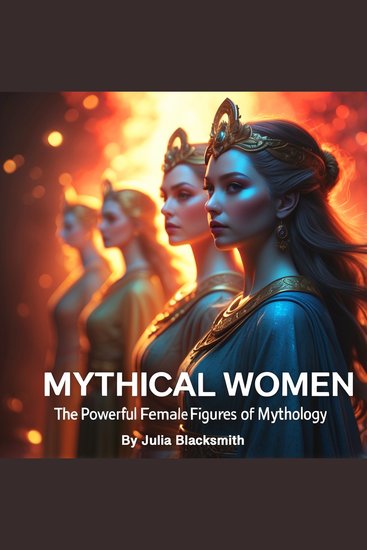
    Throughout history, myths have played a crucial role in shaping cultures, beliefs, and societal values. Among these myths, female figures hold a particularly powerful and diverse presence, ranging from benevolent creators to fearsome destroyers, wise protectors to cunning tricksters. Mythical women embody complex archetypes that reflect both admiration and fear, highlighting their influence across different civilizations. Whether as goddesses, warriors, enchantresses, or tragic heroines, these figures have left an indelible mark on mythology and continue to shape modern perspectives on femininity and power.  
      
    One of the most striking aspects of mythical women is their duality. Many goddesses and legendary figures are revered for their nurturing qualities while also possessing a fierce and destructive side. In Greek mythology, Demeter represents the life-giving force of agriculture, yet her grief over her daughter Persephone’s abduction brings about the harshness of winter. Similarly, in Hindu mythology, Kali embodies both maternal protection and unrelenting destruction. This dual nature reflects society’s evolving understanding of women—not as one-dimensional figures but as complex individuals capable of immense strength and resilience.  
      
    Symbolism plays a key role in how these figures are perceived. Mythical women are often linked to natural forces, such as the moon, water, and fertility, reinforcing their connection to life and renewal. At the same time, they can embody chaos and transformation, disrupting the status quo to bring about necessary change. Figures like Medusa, once a beautiful priestess turned into a monster, and Lilith, a rebellious first woman in Jewish folklore, demonstrate how female power can be both feared and demonized. These stories reveal underlying cultural anxieties about female independence and strength, themes that persist in literature and media today. 
    Zum Buch

  • Couples Therapy Workbook - A Bundle 3-in-1 to Strengthen Your Relationship Resolve conflicts and build deep connections before your relationship falls apart through Communication practice Self-Love Stop Procrastinating Enneagram and Self-Acceptance - cover

    Couples Therapy Workbook - A...

    Isabella Males

    • 0
    • 0
    • 0
    Have you and your partner been having difficulties that make it hard to get the most out of the time that you’re spending together? Does it seem that you’re largely unable to have a relaxing and loving relationship with your partner?Are you frustrated because you're in a relationship that's dying a seemingly inevitable death? Or do you feel like you've got a good relationship, but it should be a lot better than it is? 
    This workbook uses techniques and tools developed to be more self-aware, have a wider open-mindedness, greater willingness to talk and listen to your loved one. 
    Couples’ therapy Workbook and the exercises that come along with it can help you to reach that common ground of understanding, can help you to get your goals straight with one another and can help you to work together to achieve them. 
    This audiobook is recommended for all those who are in a difficult time in their relationship and want to better understand the emotions they are feeling.So, are you ready to put the flame back in your love life? Are you ready to move beyond what you know to extraordinary love? Then click the buy button, NOW.
    Zum Buch