Begleiten Sie uns auf eine literarische Weltreise!
Buch zum Bücherregal hinzufügen
Grey
Einen neuen Kommentar schreiben Default profile 50px
Grey
Jetzt das ganze Buch im Abo oder die ersten Seiten gratis lesen!
All characters reduced
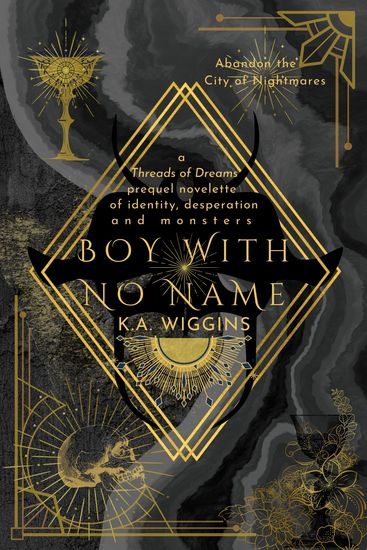
Boy With No Name - Abandon the City of Nightmares - cover

Boy With No Name - Abandon the City of Nightmares

K.A. Wiggins

Verlag: Snowmelt & Stumps

  • 0
  • 0
  • 0

Beschreibung

When you’re nothing, you have to grab everything you can and hang onto it with everything you’ve got.
 
When the dreamwealking threadwitch Ravel's been obsessed with since boyhood vanishes, the shadow prince of Refuge's dissolute underground risks all the power he's begged, borrowed, and stolen to chase her down.
 
But, on that desperate road trip through the monster-infested wilderness, he's forced to peel back his own mask and grapple with the dark truths behind all the glitter.
 
Will he find the right thread to pull and win back his love, or will the conscience this puppetmaster has been running from all his life finally cut his strings?
 
Tragic pasts and twisted futures collide in Boy With No Name, a novelette-length dystopian romantic tragedy (lovers-to-enemies-to-...? / antihero romance) for upper YA to NA/Adult audiences. (No spice, off-screen trauma, implied child neglect.)
 
This story takes place in the Threads of Dreams universe and is suggested as a companion read to book 2, Black the Tides. Also available in Fiction-Atlas Press anti-hero anthology The Devil You Know.
 
Dive into the haunted darkness today!
Verfügbar seit: 05.10.2022.
Drucklänge: 40 Seiten.
Weitere Bücher, die Sie mögen werden

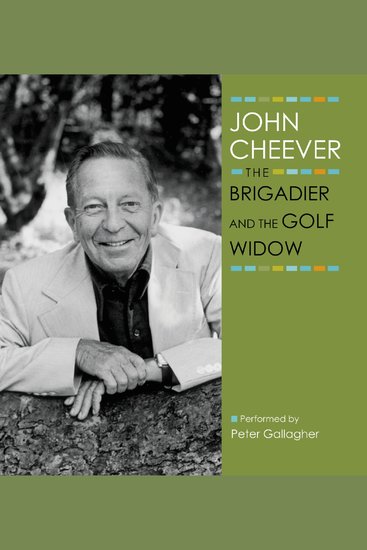
  • The Brigadier and the Golf Widow - cover

    The Brigadier and the Golf Widow

    John Cheever

    • 0
    • 0
    • 0
    Here is one of twelve magnificent stories, originally part of The John Cheever Audio Collection, in which John Cheever celebrates—with unequaled grace and tenderness—the deepest feelings we have. 
    As Cheever writes in his preface, ""These stories seem at times to be stories of a long-lost world when the city of New York was still filled with a river light, when you heard the Benny Goodman quartets from a radio in the corner stationery store, and when almost everybody wore a hat.""
    Zum Buch
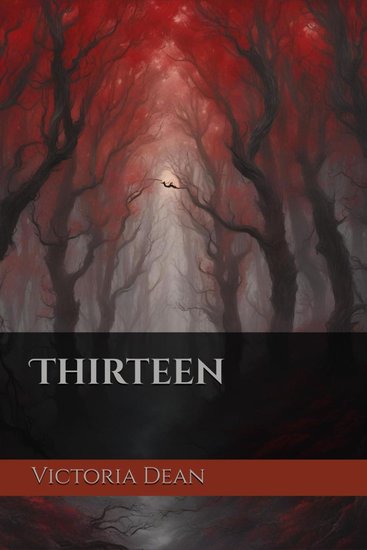
  • Thirteen - cover

    Thirteen

    Victoria Dean

    • 0
    • 0
    • 0
    In Thirteen, Victoria Dean takes the reader on a journey through the multifaceted landscape of horror. This collection of thirteen short stories offers a tryst into the paranormal, the terrors of the mundane, and what the dark shadows may be hiding around every corner. From the heart-pounding battle against a mad serial killer to an unseen evil terrorizing two best friends, and monsters that roam the night, Dean works to explore what fear is all about and what it means to overcome it.
    Zum Buch
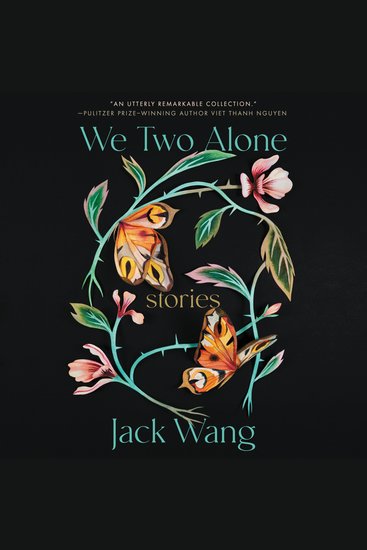
  • We Two Alone - Stories - cover

    We Two Alone - Stories

    Anonym

    • 0
    • 0
    • 0
    Praised as “utterly remarkable” and “deeply resonant” by Pulitzer Prize-winning authors Viet Thanh Nguyen and Robert Olen Butler, a bold and brilliant debut collection, in the vein of The Refugees, which dramatizes the Chinese diaspora across the globe over the past hundred years. 
    Set on five continents and spanning decades, We Two Alone traces the arc and evolution of the Chinese immigrant experience. A young laundry boy risks his life, pretending to be a girl to play organized hockey in Canada in the 1920s. A Canadian couple is caught when Shanghai succumbs to violence during the Second Sino-Japanese War. A family sttempts to buy a home in South Africa in the early years of apartheid. An actor in New York struggles to keep his career alive while yearning to reconcile with his estranged wife. 
     
    From the vulnerable and disenfranchised to the educated and privileged, the characters in this extraordinary collection embody the diversity of the Chinese diaspora past and present. In these deeply affecting stories, Jack Wang subverts expectations as he captures the hope, pain, and sacrifices of the millions who journey into the unknown to create better lives, and explores the shifting boundaries of morality, the intimacies and failings of love, and the choices circumstances force us to make.
    Zum Buch
  • White Nights - cover

    White Nights

    Fyodor Dostoevsky

    • 0
    • 0
    • 0
    White Nights by Fyodor Dostoevsky 
    In the ethereal twilight of St. Petersburg's white nights, a young loner's solitary existence is transformed by a chance encounter with the enchanting Nastenka. Over several luminous evenings, two kindred souls embark on a journey of emotional discovery, sharing dreams, disappointments, and the fragile hope of love. Dostoevsky's poignant novella delves into the depths of human loneliness, unrequited love, and the universal yearning for connection. "White Nights" is an unforgettable exploration of the soul’s battle between idealism and reality, penned by one of literature’s greatest observers of the human condition. 
    Dive into this masterful depiction of passion and despair, and experience the heartrending beauty of an all-too-fleeting love.
    Zum Buch
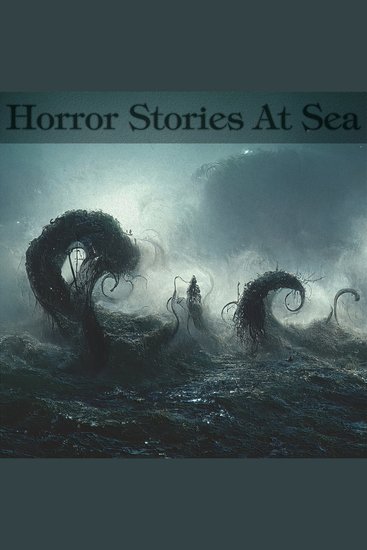
  • Horror Stories At Sea - Scary stories made scarier due to the setting… - cover

    Horror Stories At Sea - Scary...

    Joseph Conrad, Guy de...

    • 0
    • 0
    • 0
    Being on a ship is usually very safe.  The days of sinking after hitting an iceberg are almost unthinkable.  A ship goes from one port to another, seemingly without a care in the world.  Advanced technology has kept this means of transport as no more uncomfortable as maybe a bit of queasiness after going up and down in a storm.  But worse?  No, not really possible, is it? 
     
    In this volume our authors beg to differ.  They would like to bring us stories where being on a ship is simply the worse place to be.  Horror and terror, and worse, infest their narratives and threaten all and everything aboard.  
     
    1 - Horror Stories at Sea - An Introduction 
    2 - The Brute by Joseph Conrad 
    3 - The Horla by Guy De Maupassant  
    4 - A Fight with a Cannon by Victor Hugo 
    5 - The Shamraken Homeward-Bounder by William Hope Hodgson 
    6 - The Striped Chest by Arthur Conan Doyle 
    7 - The Upper Berth by F Marion Crawford 
    8 - The Voice in the Night by William Hope Hodgson
    Zum Buch
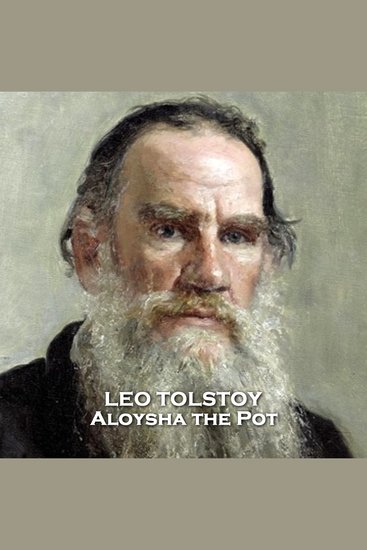
  • Aloysha the Pot - From their pens to your ears genius in every story - cover

    Aloysha the Pot - From their...

    Leo Tolstoy

    • 0
    • 0
    • 0
    Leo Tolstoy was born in 1828 in the Russian province of Tula to a wealthy noble family. As a child, he had private tutors but he showed little interest in any formal education. When he went to the University of Kazan in 1843 to study oriental languages and law, he left without completing his courses.  Life now was relaxed and idle but with some writing also taking place.  Gambling debts forced an abrupt change of path and he joined the army to fight in the Crimean War.  He was commended for his bravery and promoted but was appalled at the brutality and loss of life.  He recorded these and other earlier experiences in his diaries which formed the basis of several of his works. 
    In 1852 ‘Childhood’ was published to immediate success and was followed by ‘Boyhood’ and ‘Youth’. 
    His experience in the army and the horrors he witnessed resulted in ‘The Cossacks’ in 1862 and the trilogy ‘Sevastopol Tales’. After the war he travelled around Europe, visiting London and Paris and meeting such luminaries as Victor Hugo and Charles Darwin.  
    It was now that Tolstoy began his masterpiece, ‘War and Peace’. Published in 1869 it was an epic work that changed literature. He quickly followed this with ‘Anna Karenina’.  
    These successes made Tolstoy rich and helped him accomplish many of his dreams but also brought problems as he grappled with his faith and the lot of the oppressed poor. These revolutionary views became so popular that the authorities now kept him under surveillance.  
    He led a life of asceticism and vegetarianism and put his socialist ideals into practice by establishing numerous schools for the poor and food programmes. He also believed in giving away his wealth, which caused much discord with his wife.  
    His writing continued to bring forth classics such as ‘The Death of Ivan Ilyich’ and many brilliant and incisive short stories such as ‘How Much Land Does A Man Need’.  
    In 1901 Tolstoy was excommunicated from the Church and controversially deselected for the Nobel Prize for Literature. 
    Whilst undertaking a pilgrimage by train in October 1910 with his daughter Aleksandra he caught pneumonia in the nearby town of Astapovo.  Leo Tolstoy died on November 9th, 1910, he was 82.
    Zum Buch