Begleiten Sie uns auf eine literarische Weltreise!
Buch zum Bücherregal hinzufügen
Grey
Einen neuen Kommentar schreiben Default profile 50px
Grey
Jetzt das ganze Buch im Abo oder die ersten Seiten gratis lesen!
All characters reduced
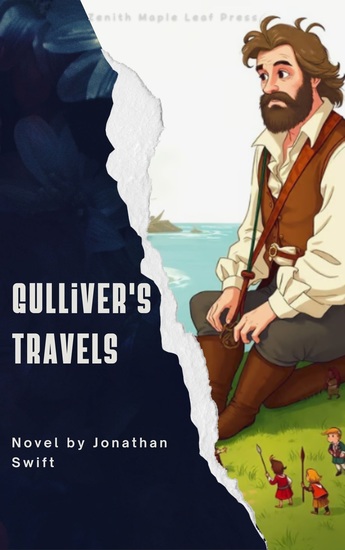
Gulliver's Travels - A Satirical Voyage Through Strange Lands and Human Folly - cover

Gulliver's Travels - A Satirical Voyage Through Strange Lands and Human Folly

Jonathan Swift, Zenith Maple Leaf Press

Verlag: Zenith Maple Leaf Press

  • 0
  • 0
  • 0

Beschreibung

A journey to fantastical worlds that reveals the truth about our own.

First published in 1726, Gulliver's Travels follows the extraordinary adventures of Lemuel Gulliver, an English ship's surgeon whose voyages lead him to astonishing lands—from the miniature citizens of Lilliput to the towering giants of Brobdingnag, the floating island of Laputa, and the noble horse-like Houyhnhnms.

Beneath the thrilling tales and imaginative settings lies Jonathan Swift's brilliant satire, offering a sharp critique of politics, pride, and the absurdities of human nature. This enduring masterpiece is both a captivating travel adventure and a timeless mirror reflecting society's follies.

"A brilliant mix of fantasy, adventure, and biting wit." – The Guardian
"Still as fresh and relevant today as it was in the 18th century." – The New York Times

✅ Why Readers Love It:

🌍 Imaginative, richly described worlds

🖋 Sharp political and social satire

📚 A classic that appeals to both young and adult readers

🎯 Click 'Buy Now' to embark on one of literature's most extraordinary voyages.
Verfügbar seit: 15.08.2025.
Drucklänge: 327 Seiten.

Weitere Bücher, die Sie mögen werden

  • The Gate - cover

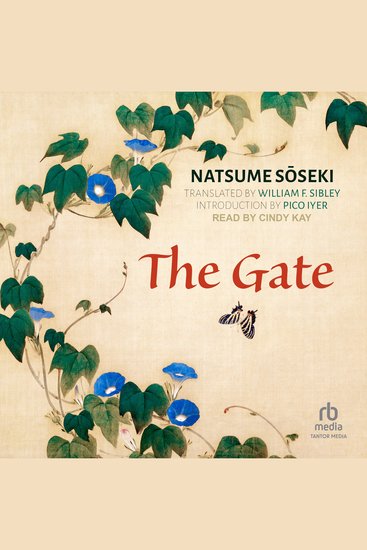
    The Gate

    Natsume Sōseki, Pico Iyer

    • 0
    • 0
    • 0
    An NYRB Classics Original 


    A humble clerk and his loving wife scrape out a quiet existence on the margins of Tokyo. Resigned, following years of exile and misfortune, to the bitter consequences of having married without their families' consent, and unable to have children of their own, Sosuke and Oyone find the delicate equilibrium of their household upset by a new obligation to meet the educational expenses of Sosuke's brash younger brother. While an unlikely new friendship appears to offer a way out of this bind, it also soon threatens to dredge up a past that could once again force them to flee the capital. Desperate and torn, Sosuke finally resolves to travel to a remote Zen Mountain monastery to see if perhaps there, through meditation, he can find a way out of his predicament. 


    This moving and deceptively simple story, a melancholy tale shot through with glimmers of joy, beauty, and gentle wit, is an understated masterpiece by one of Japan's greatest writers. At the end of his life, Natsume Soseki declared The Gate, originally published in 1910, to be his favorite among all his novels. This new translation captures the oblique grace of the original while correcting numerous errors and omissions that marred the first English version.
    Zum Buch
  • Breaking the Color Line - From their pens to your ears genius in every story - cover

    Breaking the Color Line - From...

    Annie McCary

    • 0
    • 0
    • 0
    The bookshelves of American literature are incredible collections that have gathered together centuries of very talented authors.  From this continent their fame spread and whilst among their number many are now forgotten or neglected their talents endure.  Among them is Annie McCary.
    Zum Buch
  • The First Men in The Moon - The Lost Manuscript - cover

    The First Men in The Moon - The...

    H. G. Wells

    • 0
    • 0
    • 0
    Britain won the Moon Race! Decades before Neal Armstrong took his "giant leap for mankind" two intrepid adventurers from Lympne, England, journeyed there using not a rocket, but an antigravity coating. Mr. Bedford, who narrates the tale, tells of how he fell in with eccentric inventor Mr. Cavor, grew to believe in his research, helped him build a sphere for traveling in space, and then partnered with him in an expedition to the Moon. What they found was fantastic! There was not only air and water but the Moon was honeycombed with caverns and tunnels in which lived an advanced civilization of insect-like beings. While Bedford is frightened by them and bolts home, Cavor stays and is treated with great respect. So why didn't Armstrong and later astronauts find the evidence of all this? Well, according to broadcasts by Cavor over the newly-discovered radio technology, he told the Selenites too much about mankind, and apparently, they removed the welcome mat!  
     
    Herbert George Wells was an English writer. Prolific in many genres, he wrote more than fifty novels and dozens of short stories. His non-fiction output included works of social commentary, politics, history, popular science, satire, biography, and autobiography.
    Zum Buch
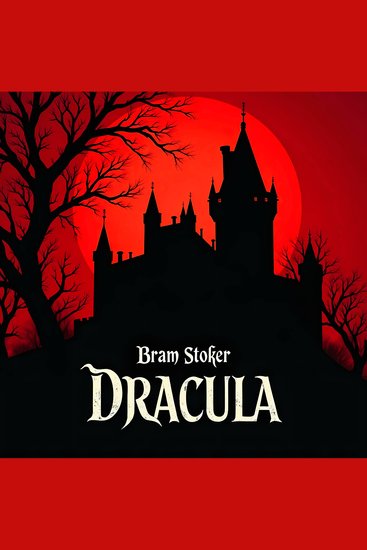
  • Dracula - cover

    Dracula

    Bram Stoker

    • 0
    • 0
    • 0
    Dracula by Bram Stoker is a gothic horror classic that tells the chilling tale of Count Dracula, a vampire from Transylvania who travels to England in search of new blood. Through journal entries, letters, and newspaper clippings, the story unfolds as a group of brave individuals, led by Professor Van Helsing, confront the ancient and sinister vampire. With its dark atmosphere, suspenseful plot, and timeless themes of fear and courage, Dracula remains one of the most influential works in the horror genre.
    Zum Buch
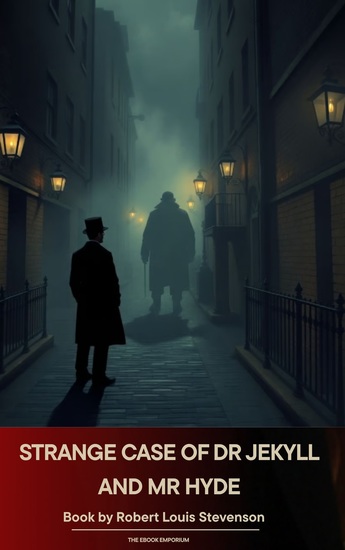
  • Strange Case of Dr Jekyll and Mr Hyde - cover

    Strange Case of Dr Jekyll and Mr...

    Robert Louis Stevenson

    • 0
    • 0
    • 0
    "Man is not truly one, but truly two."
    
    In the fog-shrouded streets of Victorian London, the respected and brilliant Dr. Henry Jekyll has made a terrifying discovery. Believing that every human soul is a battleground between good and evil, he develops a chemical potion to separate the two. But the experiment goes horribly wrong. Out of the laboratory emerges Edward Hyde—a man of pure, unadulterated malice who prowls the night committing acts of unspeakable violence. As Hyde's influence grows, the boundary between the two men begins to dissolve, leading to a desperate race for control and a shocking final revelation that changed the face of horror fiction forever.
    
    A Masterpiece of Suspense: Told through the eyes of the lawyer Gabriel Utterson, the story unfolds like a Victorian detective novel. Stevenson expertly builds dread through the "mystery of the door" and the unsettling physical descriptions of Hyde, whom people find "deformed" without being able to specify how—a brilliant psychological touch that suggests his evil is felt rather than seen.
    
    The Birth of Psychological Horror: Long before modern psychiatry, Stevenson explored the "repressed" desires of the Victorian gentleman. The tragedy of Dr. Jekyll isn't just his transformation into a monster, but his addiction to the freedom that being a monster provides. It is a searing critique of a society that demands outward perfection while ignoring the shadows within.
    
    Why It Endures: The phrase "Jekyll and Hyde" has entered our daily language for a reason. This novella remains a terrifyingly relevant look at the masks we wear and the consequences of trying to split our own nature. It is a fast-paced, atmospheric, and profoundly philosophical journey into the heart of human darkness.
    
    Face the monster in the mirror. Purchase "Strange Case of Dr Jekyll and Mr Hyde" today.
    Zum Buch
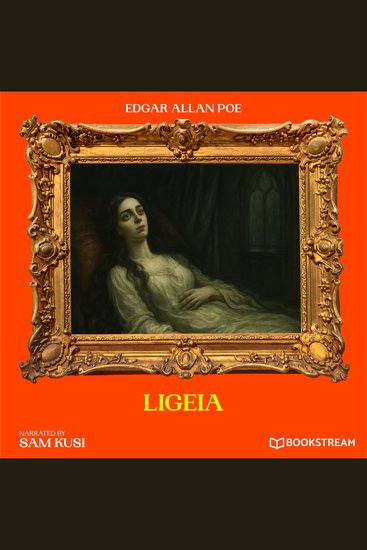
  • Ligeia - cover

    Ligeia

    Edgar Allan Poe

    • 0
    • 0
    • 0
    "Ligeia" is an early short story by American writer Edgar Allan Poe, first published in 1838. The story follows an unnamed narrator and his wife Ligeia, a beautiful and intelligent raven-haired woman. She falls ill, composes "The Conqueror Worm", and quotes lines attributed to Joseph Glanvill (which suggest that life is sustainable only through willpower) shortly before dying.
    After her death, the narrator marries the Lady Rowena. Rowena becomes ill, and she dies as well. The distraught narrator stays with her body overnight and watches as Rowena slowly comes back from the dead – though she has transformed into Ligeia. The story may be the narrator's opium-induced hallucination, and there is debate whether the story was a satire. After the story's first publication in The American Museum, it was heavily revised and reprinted throughout Poe's life.
    The story is told by an unnamed narrator who describes the qualities of Ligeia: a beautiful, passionate and intellectual woman, raven-haired and dark-eyed. He thinks he remembers meeting her "in some large, old decaying city near the Rhine." He is unable to recall anything about the history of Ligeia, including her family's name, but remembers her beautiful appearance.
    Zum Buch