Begleiten Sie uns auf eine literarische Weltreise!
Buch zum Bücherregal hinzufügen
Grey
Einen neuen Kommentar schreiben Default profile 50px
Grey
Jetzt das ganze Buch im Abo oder die ersten Seiten gratis lesen!
All characters reduced
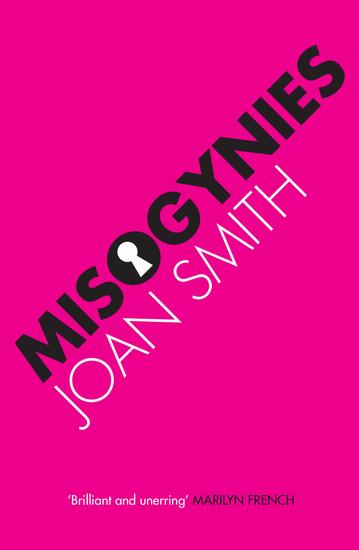
Misogynies - cover

Misogynies

Joan Smith

Verlag: The Westbourne Press

  • 0
  • 1
  • 0

Beschreibung

Misogynies is one of the most celebrated feminist texts by a British author. First published in 1989, it created shock waves with its analyses of history, literature and popular culture. Joan Smith drew on her own experience as one of the few women reporting the Yorkshire Ripper murders and looked at novels, slasher movies, Page Three and Princess Diana, teasing out the attitudes that brought them together. A feminist classic, Smith's exploration of fear and hatred of women resonates to this day.
Verfügbar seit: 13.05.2013.
Drucklänge: 208 Seiten.

Weitere Bücher, die Sie mögen werden

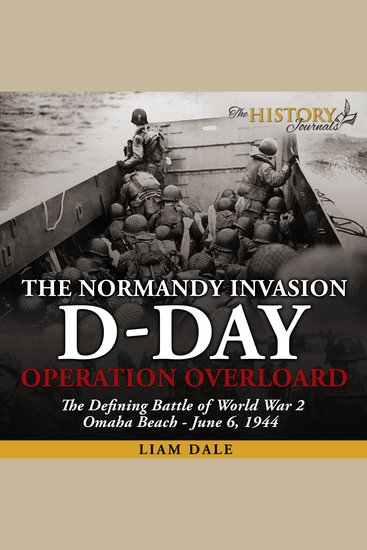
  • D-Day: The Normandy Invasion - Operation Overlord - The Defining Battle of World War 2 - June 6 1944 - cover

    D-Day: The Normandy Invasion -...

    Liam Dale

    • 0
    • 0
    • 0
    Interested in World War II but short on time for lengthy audiobooks? Let The History Journals be your guide on an hourly history tour. In this edition, uncover the true story of D-Day, the Normandy Invasion. 
     
    On June 6, 1944, D-Day marked the beginning of the end of World War II. Codenamed "Operation Overlord," it caught the German Army off guard as Allied soldiers from around the world stormed the beaches. Despite treacherous weather and stormy seas, the Allies' courageous initiative led to the liberation of France and the march toward victory. 
     
    Discover remarkable stories of courage, from Pegasus Bridge to the warm welcome by liberated French citizens, the brave rangers at Pointe du Hoc, the fierce battle for "Omaha" beach, and the extraordinary Piper Bill Millin. This combined offensive saw Allied servicemen from across the globe becoming comrades in arms, forming an unforgettable chapter in history.
    Zum Buch
  • Telepathy in treatment - cover

    Telepathy in treatment

    M.D. Howard Eisenberg

    • 0
    • 0
    • 0
    A psychotherapist discusses the use of telepathy in the treatment of emotional disorders.
    Zum Buch
  • Why Am I Like This? - How to Break Cycles Heal from Trauma and Restore Your Faith - cover

    Why Am I Like This? - How to...

    Kobe Campbell

    • 0
    • 0
    • 0
    Read by the author. 
    Why does our past pain continue to affect our present? 
    Though many of us can point to patterns of brokenness in our lives, we don’t know why they're there. No matter how hard we work, we can’t seem to outrun the very things that break our hearts. That's because our everyday setbacks are rooted in our unaddressed wounds. 
    In Why Am I Like This? seminary-trained, licensed trauma therapist Kobe Campbell helps us understand why it’s so hard to break these patterns as she offers us a deeper understanding of how our past shapes our present. With tender wisdom, rare vulnerability, and profound honesty, Kobe reminds each reader that they’re not alone, empowering them to step into healing with evidence-based, faith-filled coping skills and resources. 
    In Why Am I Like This?, you will:gain an understanding of what trauma and healing really are,explore the roots of your dysfunctional patterns,learn how your trauma shows up in your everyday life, andfind trauma-informed, faith-based coping mechanisms to heal your mind and deepen your intimacy with God. 
      
    Kobe marries theological insight with therapeutic principles to give readers the tools and insights needed to begin their journey of restoration. 
    Reflection questions, checklists, and personal exercises are included in the audiobook companion PDF download.
    Zum Buch
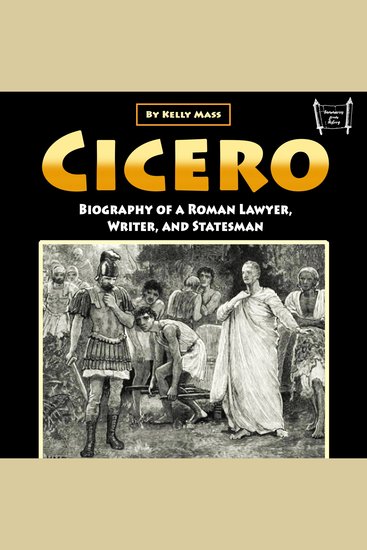
  • Cicero - Biography of a Roman Lawyer Writer and Statesman - cover

    Cicero - Biography of a Roman...

    Kelly Mass

    • 0
    • 0
    • 0
    Marcus Tullius Cicero was a Roman statesman, lawyer, scholar, philosopher, and Academic skeptic who became a prominent figure in the political and intellectual life of the late Roman Republic. He is best remembered for his eloquence and his staunch defense of ethical ideals in the face of political turmoil, a period that ultimately led to the rise of the Roman Empire. Cicero’s influence extended far beyond his time as he became one of Rome's most revered orators and prose stylists, producing an extensive body of work encompassing treatises on rhetoric, philosophy, and politics. His works remain fundamental to the study of Latin and Western philosophy today. 
    Cicero was born into a wealthy municipal family within the Roman equestrian order and held the esteemed office of consul in 63 BC, a significant achievement in his career. His oratorical prowess was unrivaled, and his skill in public speaking earned him a reputation that endured through the centuries. His publications spanned a broad range of subjects, from the theoretical aspects of rhetoric to the practical concerns of governance and philosophy. Cicero’s mastery of the Latin language was profound—he is said to have written over three-quarters of all surviving Latin literature from his time. His works, characterized by their clarity and depth, formed the foundation for subsequent Latin prose, influencing European languages and thinkers well into the 19th century.
    Zum Buch
  • History of Australia: A Captivating Guide to Australian History Starting from the Aborigines Through the Dutch East India Company James Cook and World War II to the Present - cover

    History of Australia: A...

    Captivating History

    • 0
    • 0
    • 0
    Did you know that Australia was once thought of as an undesirable place to live? 
    Long before Australia started to be considered one of the best places in the world to live, it was thought to be completely unlivable. In the 15th century, the European race to claim land began. Despite the fact that Australia was a large landmass, no nation believed it was worth colonizing. The land was claimed by the Netherlands. However, little exploration happened there. 
    Many countries actually believed it to be uninhabitable. However, the Aboriginal populations had already been thriving on the land for millennia. This allowed the Australian Aborigines the opportunity to truly develop their unique and complex cultures and systems. Nearly one hundred years after the Dutch-named the landmass New Holland, James Cook, a British captain, charted the eastern coast. He suggested it should be revisited. 
    In this book, you will learn about:Where Australia’s first people came fromThe diet, lifestyles, and beliefs of Australia’s AboriginesHow the first European contact with the Aboriginals actually wentThe exciting discoveries of the British voyages to AustraliaHow well did the Aborigines and the European settlers get along?All the political, social, and judiciary developments in the settlementsThe Australian gold rushes and how they impacted the region and beyondAustralia’s development into a unique nation, one separate from EnglandHow big of a role did Australia play during World War I and World War II?What is Australia up to today? 
    Scroll up and click the “add to cart” button to learn more about this interesting and diverse continent!
    Zum Buch
  • The Ancient World’s Most Influential Philosophers - cover

    The Ancient World’s Most...

    Editors Charles River

    • 0
    • 0
    • 0
    Although he is still one of history’s most famous philosophers, Confucius was in many respects an unremarkable man, and even his physical features were said to be unattractive. There is little evidence that he thought of himself as a harbinger of any kind, but shortly after his death, writings, sayings, and theories based on his life and ideas spread throughout China and even took hold of the imperial court of one of the most powerful and important dynasties, the Han (206 BCE-220 CE). It was during the Han Dynasty that Confucianism became closely tied to state affairs, and it would remain so until the fall of the last dynasty in 1912.  
    	None of Socrates’ works survived antiquity, so most of what is known about him came from the writings of his followers, most notably Plato. What is known about Socrates is that he seemed to make a career out of philosophy, and Plato was intent on following in his footsteps. Yet for all of the influence of Socrates’ life on his followers, it was Socrates’ death around 399 B.C. that truly shaped them. Plato was so embittered by Socrates’ trial in Athens that he completely soured on Athenian democracy, and Aristotle would later criticize politicians who relied on rhetoric; when Aristotle’s own life was threatened, he fled Greece and allegedly remarked, “I will not allow the Athenians to sin twice against philosophy." 
    	Alongside Pericles, Cicero was one of antiquity’s greatest politicians, and he has remained one of the most influential statesmen in history, relied upon by the Romans of his day, political philosophers like John Locke, Enlightenment thinkers like Rousseau, and America’s Founding Fathers. Thomas Jefferson credited Cicero as an inspiration for the Declaration of Independence, and John Adams asserted, "As all the ages of the world have not produced a greater statesman and philosopher united than Cicero, his authority should have great weight.”
    Zum Buch