Rejoignez-nous pour un voyage dans le monde des livres!
Ajouter ce livre à l'électronique
Grey
Ecrivez un nouveau commentaire Default profile 50px
Grey
Abonnez-vous pour lire le livre complet ou lisez les premières pages gratuitement!
All characters reduced
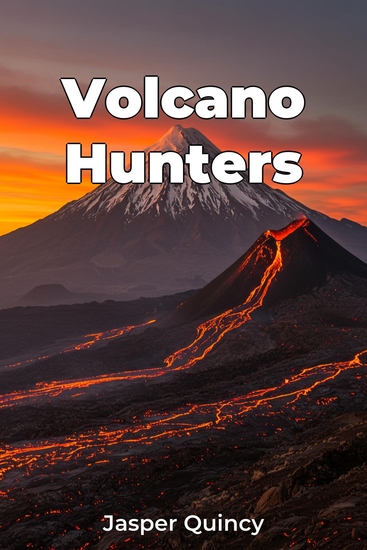
Volcano Hunters - cover

Volcano Hunters

Jasper Quincy

Traducteur A AI

Maison d'édition: Publifye

  • 0
  • 0
  • 0

Synopsis

Volcano Hunters explores the world of volcanoes, delving into their mechanics and the efforts to predict eruptions, essential knowledge for disaster preparedness. Readers journey into Earth sciences, geography, and adventure, learning how magma composition and eruption styles are studied by volcanologists, often in dangerous conditions. Discover how early observations evolved into modern methods using satellite monitoring and geochemistry. The book highlights the crucial role volcanoes play in shaping our planet and influencing its future. One intriguing fact is how active volcanism provides a window into Earth’s past, helping us understand its current state. The book progresses from fundamental concepts to the lives of volcanologists, examining eruption mechanics, prediction challenges, and the human impact of living near these geological phenomena. By combining scientific research with real-world case studies, Volcano Hunters emphasizes the practical implications of volcanological research. The narrative non-fiction style makes complex concepts accessible, offering a unique perspective on these dynamic forces and their impact on communities and the environment, covering topics such as risk assessment and disaster preparedness.
Disponible depuis: 05/03/2025.
Longueur d'impression: 88 pages.


D'autres livres qui pourraient vous intéresser

  • The Influence of Ancient Egypt on Modern Culture - cover

    The Influence of Ancient Egypt...

    Omar Khalil

    • 0
    • 0
    • 0
    The fascination with Ancient Egypt’s visual and structural aesthetics has significantly influenced Western art and architecture, especially during the 18th and 19th centuries. Known as the Egyptian Revival, this movement emerged as part of a broader romantic and neoclassical interest in ancient civilizations. Following Napoleon's campaign in Egypt and the publication of Description de l'Égypte, Europe became enamored with Egyptian motifs, leading to their incorporation into a wide range of architectural projects. 
    One of the most recognizable contributions of Egyptian Revival architecture is the use of obelisks and pyramid forms in public spaces and memorials. These iconic shapes, once central to Egyptian religious and ceremonial design, were reinterpreted in cemeteries, government buildings, and monuments across Europe and the United States. The Washington Monument in the U.S., for instance, is a clear example of how Egyptian form was adapted to convey power and permanence. 
    In interior design and decorative arts, Egyptian Revival made a mark through bold geometric patterns, lotus flower motifs, and symbolic elements like the sun disk and winged scarab. Furniture, wallpaper, jewelry, and textiles adopted these styles, evoking the mystery and majesty of the Nile. This decorative trend became especially popular after the discovery of King Tutankhamun’s tomb in 1922, which triggered a new wave of Egyptomania in the early 20th century.
    Voir livre
  • Why You Should Go to Santorini - cover

    Why You Should Go to Santorini

    Mark Ferdinand

    • 0
    • 0
    • 0
    Santorini is a place where dreams meet reality—an island of dazzling whitewashed houses, deep blue domes, and golden sunsets that turn the Aegean into a painting. Shaped by volcanic history, its dramatic cliffs and sparkling waters create one of the most breathtaking landscapes in the world. But Santorini isn’t just about views—it’s about atmosphere, flavor, and timeless charm. 
    Mark Ferdinand guides you through the island’s many wonders: wandering the winding lanes of Oia, savoring fresh seafood by the caldera, discovering ancient ruins at Akrotiri, and sipping local wines among sun-drenched vineyards. Whether you’re chasing romance, relaxation, or adventure, Santorini is a destination that promises magic at every turn.
    Voir livre
  • Forsaken Realms - A Journey Through Earth's Most Chilling Derelict Locations - cover

    Forsaken Realms - A Journey...

    John Harpoon

    • 0
    • 0
    • 0
    Throughout history, there have been places where human ambition, industry, or even nature’s cruelty has left behind stark reminders of a world once bustling with life, now standing frozen in time. These forsaken realms—whether born of abandonment, catastrophe, or the slow erosion of human civilization—whisper tales of a forgotten past. They are the remnants of once-thriving cities, sprawling industries, and cultures now reduced to ruins, each holding secrets that time has almost claimed. These abandoned places, laden with mystery and heavy with the weight of what they once represented, continue to intrigue and mystify us. 
    Some of these forsaken locations were victims of natural disasters, like the catastrophic eruption of Mount Vesuvius that buried Pompeii under a deadly blanket of ash, preserving the city in eerie stillness. Others, like the ghost towns of the American West, are testimonies to the transient nature of fortune, where entire communities once built on the promise of riches have vanished almost without a trace. The islands and ruins scattered across the globe have become more than just decaying structures; they have morphed into historical monuments, intriguing puzzles, and even pilgrimages for those seeking to uncover their enigmatic stories. 
    These forgotten realms are not only remnants of civilizations but are also haunting mirrors of human nature. They speak to our fragility, to how empires rise and fall, to how entire populations are swallowed by time, war, or the sheer passage of years. What does it mean when a city is abandoned, a place where families once thrived, now empty and silent? What lies behind the decaying walls and the overgrown pathways? The unanswered questions linger in the air, enticing explorers, historians, and wanderers alike.
    Voir livre
  • The Shocking Truth about Travel Agencies - cover

    The Shocking Truth about Travel...

    Zoey Fraisers

    • 0
    • 0
    • 0
    Travel agencies have long been the go-to resource for travelers looking to plan vacations, book flights, and secure accommodations. For decades, they were considered indispensable, offering expertise, exclusive deals, and the convenience of handling complex itineraries. However, the travel industry has changed dramatically in recent years, raising important questions about the true role and value of travel agencies in today's digital world. Are they still as necessary as they once were, or have they become an outdated service in an era where online booking platforms dominate?  
      
    The evolution of travel agencies has been shaped by technological advancements and shifting consumer behaviors. In the past, travel agents had access to deals and insider information that the average traveler couldn’t easily obtain. They built relationships with airlines, hotels, and tour operators, often securing discounts and exclusive packages. But with the rise of online booking sites, budget-conscious travelers can now compare prices, read customer reviews, and make their own reservations without relying on a middleman.  
      
    Despite these changes, travel agencies still claim to offer value in various ways. Many agencies promote themselves as experts who can save travelers time and money by curating customized experiences, navigating travel restrictions, and resolving unexpected issues. Some travelers, especially those booking luxury vacations, business trips, or complex international itineraries, still prefer the convenience of working with an agent rather than handling everything themselves. However, beneath this polished image lies an industry that often thrives on hidden fees, inflated prices, and partnerships that may not always prioritize the best interests of the traveler. 
    Voir livre
  • The Gods of the Nile - Exploring Ancient Egyptian Deities and Their Stories - cover

    The Gods of the Nile - Exploring...

    Julia Blacksmith

    • 0
    • 0
    • 0
    Ancient Egypt was a civilization deeply rooted in religion, where gods and goddesses played an essential role in shaping daily life, governance, and the afterlife. The Egyptian pantheon was vast, with deities representing natural forces, human emotions, and cosmic order. These gods were not distant or abstract figures but were actively involved in the lives of the people, influencing everything from the flooding of the Nile to the fate of the soul after death. The Egyptians believed that by honoring their gods through rituals, prayers, and temple offerings, they could maintain harmony in the universe.  
    One of the defining aspects of Egyptian religion was its polytheistic nature. Unlike monotheistic faiths, which center around a single divine being, the Egyptians worshipped hundreds of gods, each with unique attributes, symbols, and responsibilities. Some, like Ra, the sun god, were powerful and widely revered, while others, such as Taweret, the hippo goddess of childbirth, had more specialized roles. Many deities evolved over time, merging with others or taking on new characteristics as different cities and dynasties rose to prominence. This fluidity allowed Egyptian religion to remain relevant for over three thousand years.  
    The gods were not only worshipped in grand temples but were also deeply integrated into the personal lives of the people. Pharaohs were believed to be divine or semi-divine figures, ruling as representatives of the gods on Earth. Priests conducted elaborate ceremonies in temple complexes dedicated to major deities, ensuring their favor and protection over the land. Ordinary Egyptians also kept small shrines in their homes, prayed to household gods for blessings, and wore protective amulets bearing sacred symbols. Magic and mythology were intertwined with religious practice, with spells and sacred texts often invoking the names of gods for healing, guidance, and protection. 
    Voir livre
  • The Pharaohs of Ancient Egypt - Rulers of the Nile - cover

    The Pharaohs of Ancient Egypt -...

    Omar Khalil

    • 0
    • 0
    • 0
    The emergence of the pharaohs marked the beginning of one of history’s most iconic civilizations. In the early dynastic period around 3100 BCE, Egypt underwent a dramatic transformation as Upper and Lower Egypt were unified under a single ruler, traditionally identified as King Narmer or Menes. This unification not only established centralized rule but also laid the foundations for a dynastic tradition that would endure for millennia. The pharaoh, whose name means “great house,” came to be seen as both a political leader and a divine figure, embodying the will of the gods on earth. 
    As Egypt’s first kings consolidated power, they created administrative systems to manage resources, command armies, and oversee large-scale construction projects. Hierarchical governance emerged, with officials and scribes acting under the pharaoh’s authority to maintain order throughout the land. This new system allowed the pharaohs to centralize authority, control the fertile Nile Valley, and ensure the production and redistribution of grain and other goods, which became critical for sustaining a growing population and for asserting royal dominance. 
    Religious ideology played a key role in solidifying the power of the pharaohs. They were often depicted as the sons of deities, particularly associated with the sun god Ra and the sky god Horus. Temples were erected not just as places of worship, but as instruments of royal propaganda, showcasing the divine legitimacy of the ruler. Rituals, festivals, and monumental inscriptions reinforced the pharaoh’s sacred status and his role in maintaining ma’at, the cosmic order of balance and harmony.
    Voir livre