Begleiten Sie uns auf eine literarische Weltreise!
Buch zum Bücherregal hinzufügen
Grey
Einen neuen Kommentar schreiben Default profile 50px
Grey
Jetzt das ganze Buch im Abo oder die ersten Seiten gratis lesen!
All characters reduced
Towards an Ecosystem of Hospitality – Location:City:Destination - cover

Towards an Ecosystem of Hospitality – Location:City:Destination

Harald Pechlaner

Verlag: Graffeg Limited

  • 0
  • 0
  • 0

Beschreibung

Derived from the Location:City:Destination conference of 2021, organised by the Chair of Tourism at the Catholic University of Eichstätt-Ingolstadt and Tourismus NRW, a new holistic Ecosystem of Hospitality – an integrated approach to location, destination and the living environment – has been devised to meet the challenges faced by the tourism industry today. Combining scientific papers, case studies and best practice analysis by a variety of contributors, this book seeks to inform and influence academics, researchers, industry professionals and policy makers, presenting a way forward for future development and shared success.
Verfügbar seit: 01.03.2022.

Weitere Bücher, die Sie mögen werden

  • Meroitic Kingdom - Forgotten Kingdom of the Nile's Black Pharaohs - cover

    Meroitic Kingdom - Forgotten...

    Rolf Hedger

    • 0
    • 0
    • 0
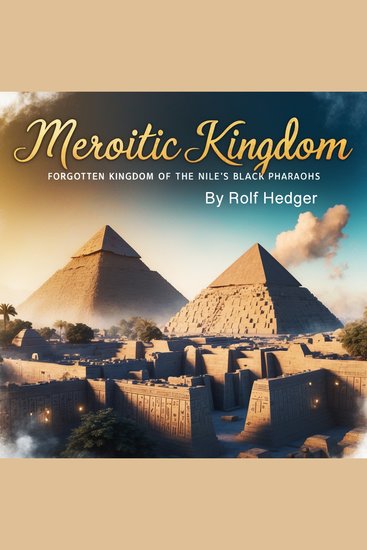
    The Land of Kush, an ancient and powerful civilization, thrived along the banks of the Nile in what is now Sudan. Situated south of Egypt, Kush was a land of vast deserts, fertile floodplains, and rich natural resources. This region played a crucial role in shaping the history of northeastern Africa, serving as a bridge between central Africa and the Mediterranean world. The rise of the Kingdom of Kush was deeply influenced by its geography, trade networks, and interactions with neighboring civilizations. 
    The Nile River was the lifeline of Kush, providing water for agriculture, transportation, and trade. The river's annual flooding deposited nutrient-rich silt, allowing the Kushites to cultivate crops such as barley, wheat, and sorghum. This agricultural abundance supported growing populations and enabled the kingdom to expand its influence. The vast deserts surrounding Kush acted as natural barriers, protecting the civilization from invasions while also encouraging the development of trade routes that connected Kush to Egypt, the Red Sea, and beyond. 
    Kush's wealth was largely derived from its abundant natural resources, particularly gold, iron, and precious stones. Gold mines in Nubia were among the richest in the ancient world, making Kush a major supplier of gold to Egypt and other civilizations. Ironworking became another defining feature of Kushite industry, allowing the kingdom to produce advanced tools and weapons that strengthened its economy and military. The Kushites also controlled trade routes that transported luxury goods such as ivory, ebony, and incense, further enriching their civilization.
    Zum Buch

  • Acropolis and the Agora The: The History of Ancient Athens’ Most Important Sites - cover

    Acropolis and the Agora The: The...

    Editors Charles River

    • 0
    • 0
    • 0
    The Acropolis, which literally means “a city on the heights,” is a citadel whose currently surviving structures were mostly built during the 5th century B.C. in honor of Athena, the patron goddess of Athens. It functioned as a sacred precinct that contained the city’s most important religious and municipal structures, many of which have remained relatively intact for over 2,000 years. The Propylaea (the gateway to the Acropolis), the Parthenon (the principal shrine to the goddess), the Erechtheion (a shrine that supposedly houses the burial grounds of mythical Athenian kings), and the Temple of Athena Nike all survive to this day, and for these reasons, the Acropolis is perhaps the definitive and most eloquent expression of classical architecture, if not of the classical form itself. The Acropolis, which literally means “a city on the heights,” is a citadel whose currently surviving structures were mostly built during the 5th century B.C. in honor of Athena, the patron goddess of Athens.  
    	The center of political and commercial interaction in the Ancient Greek polis was the agora. The word essentially means a gathering place or an open space, and in all Greek city states, the agora was central to all aspects of daily life and commerce. As the agora developed as a civic space, particularly from the 6th century B.C. onward in Athens, the architectural splendor of the buildings associated with it became an ever more obvious demonstration of the power and glory of Athenian democracy. 	In its earliest forms, an agora in maritime cities was invariably situated near the sea, while in inland urban centers, it was usually located at the foot of the hill that normally provided the city’s ultimate defense. The agora was always the oldest part of any city and, as such, and as well as being the commercial hub of the area, also became the center of the religious and political life of the polis.
    Zum Buch
  • The Day They Fell From The Sky - 10 Lone Survivors and Their Harrowing and Incredible True Stories of Plane-Crash Survival - cover

    The Day They Fell From The Sky -...

    Oliver Martin Cass

    • 0
    • 0
    • 0
    For more than a century, plane crashes have been among the scariest catastrophes imaginable. The toll on human life is devastating. Yet, as this fascinating book reveals, there are some who defy the odds and survive the unsurvivable. 
    In this riveting collection of true stories from sole survivors, we get an inside look at their harrowing ordeal that changed their lives forever. Inside, you get to meet these amazing people such as:The woman who survived the highest fall ever recorded without a parachute, earning her a Guinness World RecordThe woman who survived a plane crash in the Amazon and spent 11 days lost in the jungleThe 4-year-old girl was the sole survivor of a plane crash that killed her family and 154 people. 
    And many others... 
    We get a glimpse of their life, before and after the accident, explore the possible causes of their plane crash, and dive into the haunting yet fascinating details of the fateful day they fell from the sky. 
    And as an added bonus, read on and find out how to improve your odds of surviving a similar fate. 
    Inspired by his own father’s survival story, Oliver Martin Cass is a New Zealand-based author who loves to write and tell compelling and interesting stories of people’s survival journeys.
    Zum Buch
  • Tokyo Travel Guide - Captivating Adventures through High-Tech Wonders Traditional Beauty Landmarks Hidden Gems and More - cover

    Tokyo Travel Guide - Captivating...

    Captivating Travels

    • 0
    • 0
    • 0
    Get ready to unlock Tokyo's secrets with over 100 images, detailed maps, and QR codes
    
    Are you ready to swap the everyday for the extraordinary? Imagine yourself immersed in Tokyo's electric energy, where the aroma of melt-in-your-mouth sushi mingles with the captivating buzz of pachinko parlors. Envision navigating a city where centuries-old traditions seamlessly blend with futuristic marvels. This is your exclusive invitation to experience a Tokyo you've only dreamed of.
    
    The Tokyo Travel Guide goes beyond the typical tourist traps, offering you an intimate journey into the heart and soul of this dynamic metropolis.
    
    Inside, you'll discover how to:
    
    - Unravel Tokyo's History:  Journey through time, from its ancient origins to its gleaming modern skyline. 
    - Taste the Rainbow:  Indulge your senses with Tokyo's unparalleled culinary scene, from  Michelin-starred delights to secret street food stalls. 
    - Shop Like a Pro:  Master the art of Tokyo retail, finding everything from vintage kimonos to the latest cutting-edge electronics. 
    - Embrace "Kawaii":  Dive into the playful world of Japanese pop culture, exploring adorable cafes and unique fashion trends. 
    - Escape the Tourist Trail:  Venture off the beaten path to uncover serene gardens, charming backstreets, and breathtaking rooftop views. 
    - Plan Your Perfect Itinerary:  Craft personalized adventures, whether you're a budget backpacker or a luxury seeker. 
    - Learn Essential Japanese Phrases:  Connect with locals and experience the genuine warmth of Japanese hospitality. 
    - Navigate with Ease:  Become a pro at Tokyo's public transportation, maximizing your time and minimizing stress. 
    - Unpack Cultural Nuances:  Gain essential insights into Japanese etiquette and customs for a respectful and enriching experience. 
    - And much, much more! 
     
    Stop being just another tourist.  Become a Tokyo insider. 
    
    Click " Add to Cart " now and unlock your unforgettable Tokyo adventure.
    Zum Buch
  • Finland Travel Guide - Captivating Adventures through Must-See Places Local Culture Finnish Landmarks Hidden Gems and More - cover

    Finland Travel Guide -...

    Captivating Travels

    • 0
    • 0
    • 0
    Discover How to Go from Feeling Uncertain to Experiencing the Magic of Finland
     
    Dreaming of exploring Finland's stunning beauty but worried about missing out on the best experiences? With helpful images, maps, and QR codes to guide you—and even useful  Finnish survival phrases to make your trip smoother—"Finland Travel Guide" makes it easy to navigate the country and uncover its hidden treasures.
    
    This guide ensures you experience the best of Finland, from iconic landmarks to secret spots, with all the practical tips you need.
    
    The Risk of Traveling Without a Plan 
    
    - Missing Iconic Landmarks  – You could easily overlook must-see places like the Northern Lights, Santa Claus Village, or historic castles. 
    - Skipping Over Hidden Gems  – Secret locations like quiet lakes, cozy cabins, and unique local attractions might remain undiscovered. 
    - Feeling Unprepared for Finland's Unique Nature  – Navigating the outdoors can be tricky without a guide to help you get the most out of your adventure. 
     
     Why This Book? 
    
    - Discover Famous Landmarks and Hidden Treasures  – Covers top sites while also leading you to local favorites. 
    - Explore Like a Local  – Go beyond typical tourist spots and find authentic cafes, peaceful natural retreats, and cultural sites. 
    - Itineraries to Enhance Your Journey  – Offers planned programs and schedules to help you make the most of your time. 
     
    Don't let your trip fall short.  Click "Add to Cart"  and start your unforgettable journey through Finland's breathtaking landscapes and cultural wonders!
    Zum Buch
  • Egyptian Art and Architecture - From the Old Kingdom to the New Kingdom - cover

    Egyptian Art and Architecture -...

    Omar Khalil

    • 0
    • 0
    • 0
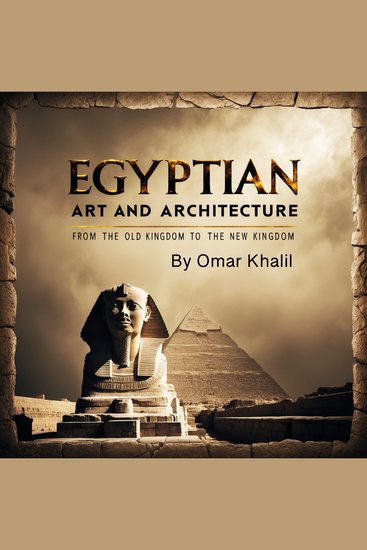
    The art and architecture of ancient Egypt are deeply intertwined with the civilization’s religious beliefs and cultural practices. Spanning over three millennia, these artistic expressions were not merely decorative but held profound symbolic meanings, reflecting the Egyptians’ worldview and their connection with the divine. The foundations of Egyptian art and architecture were laid during the early dynastic period, evolving through distinct stages that shaped the visual language of one of history’s most iconic civilizations. 
    Religion played a central role in shaping the aesthetic and thematic aspects of Egyptian art. Temples, tombs, and monuments were designed as sacred spaces, serving as a bridge between the human and divine realms. The concept of Ma’at, representing order and harmony, influenced the geometric precision and symmetrical layouts seen in temple complexes and pyramid construction. Deities were depicted with specific attributes, emphasizing their powers and roles within the cosmos. This symbolic representation extended to Pharaohs, who were portrayed as divine intermediaries, blending human and godly features to signify their sacred status. 
    Symbolism permeated every facet of Egyptian art, from monumental statues to delicate jewelry. Hieroglyphs and pictorial motifs were not merely decorative; they conveyed narratives, prayers, and genealogies. The ankh, symbolizing life, and the scarab, representing transformation and rebirth, are recurring motifs that held spiritual significance. Colors also played a symbolic role: red signified vitality, blue denoted divinity, and gold represented eternity. This symbolic language was meticulously maintained across centuries, creating a consistent artistic identity despite historical changes.
    Zum Buch