Begleiten Sie uns auf eine literarische Weltreise!
Buch zum Bücherregal hinzufügen
Grey
Einen neuen Kommentar schreiben Default profile 50px
Grey
Jetzt das ganze Buch im Abo oder die ersten Seiten gratis lesen!
All characters reduced
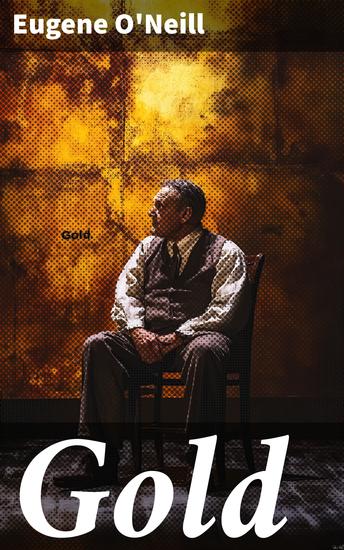
Gold - A play in four acts - cover

Gold - A play in four acts

Eugene O'Neill

Verlag: Good Press

  • 0
  • 0
  • 0

Beschreibung

Eugene O'Neill's "Gold" is a powerful and introspective play that explores the complexities of ambition, human frailty, and the relentless pursuit of wealth. Written in 1920, O'Neill integrates a unique blend of expressionistic techniques and realistic dialogue, transporting readers into the psyche of its characters, who grapple with their desires and moral dilemmas. The play is set against the backdrop of the burgeoning American society, where the allure of gold acts as both a symbol of aspiration and a harbinger of existential despair. Through masterful character development, O'Neill crafts a narrative that serves not only as a reflection of individual struggles but also as a commentary on the societal values of his time. Eugene O'Neill, an acclaimed figure in American theater, is known for his profound contributions to dramatic literature. His own tumultuous life experiences, including a complex relationship with wealth and success, inform the themes presented in "Gold." O'Neill's innovative narrative methods and deep psychological insights emerged from both his educational background in literature and his personal encounters with addiction and familial conflict, making his exploration of human ambition in this play all the more compelling. For readers and theater enthusiasts alike, "Gold" offers a captivating exploration of the moral quandaries intertwined with the pursuit of wealth. O'Neill's ability to illuminate the darker recesses of the human experience combined with his poetic use of language makes this play a significant work in understanding the intersection of ambition, identity, and societal critique. It is essential reading for anyone interested in the roots of American drama and the complexities of the human condition.
Verfügbar seit: 02.03.2025.
Drucklänge: 200 Seiten.

Weitere Bücher, die Sie mögen werden

  • Dead Men Float - cover

    Dead Men Float

    Mark Ayling

    • 0
    • 0
    • 0
    Redemption is only ever partial. Ray makes mistakes in his life yet at the last he tries to make some sort of restitution. In this novel, there is fake mysticism, empty promises, infidelity, lost chances and examples of how in extremis people can surprise and surpass themselves. There are also contrasting examples of how returning to one's past can end up - Jan is destroyed by hers, whereas Ray finds renewed purpose and enduring loyalties in his.
    Zum Buch
  • Poems of Emily Dickinson – Series 1 - cover

    Poems of Emily Dickinson – Series 1

    Emily Dickinson

    • 0
    • 0
    • 0
    Emily Dickinson was one of the most reclusive of all poets. She spent much of her life in seclusion in her father’s house in Amherst, and only a handful of her 1800 poems were published in her lifetime. Credit for the posthumous publication of her work must be given to her editor and friend Thomas W. Higginson, who reported that, in spite of the voluminous correspondence which passed between himself and Dickinson, he only met her twice in person. 
    Dickinson’s poems are all short; few of them exceed twenty lines. Within her writing, the most mundane events of domestic life appear as events of momentous significance. The original editors of this collection write that, “The main quality of these poems is that of extraordinary grasp and insight, uttered with an uneven vigor, sometimes exasperating, seemingly wayward, but really unsought and inevitable.”
    Zum Buch
  • Southern Bred - Poems - cover

    Southern Bred - Poems

    Charles Ghigna

    • 0
    • 0
    • 0
    Discover the captivating allure of the Deep South through the haunting and powerful verses of one of today’s most accomplished poets. 
      
    Southern Bred is a haunting, powerful collection of gothic poems that captivate and transport the reader into the heart and soul of the Deep South. Each poem offers a glimpse into its mystery and enchantment, drawing you in with a blend of beauty and darkness. In the style of a memoir in verse, it showcases Ghigna’s southern soul and his tender, yet piercing language, and affirms his place as one of the finest poets of our time. 
      
    “You don’t so much read these poems as fall into them. It’s like plummeting into someone else’s memories—a great rush of beauty and darkness, joy and weirdness. As soon as you finish one, you want to start over again from the beginning. This book is such a gift.”—Gin Phillips, author of Fierce Kingdom and Family Law
    Zum Buch
  • The Eclogues and Georgics - cover

    The Eclogues and Georgics

    Virgil

    • 0
    • 0
    • 0
    Though it is for the sparkling epic, Aeneid, that the Roman poet Virgil is best known, it was these two poems, The Eclogues and Georgics, which first established his reputation.  Cast in the tradition of pastoral poetry, The Eclogues were written between 41 BCE and 37 BCE when Virgil (Publius Vergilius Maro, to give him his full name) was in his thirties. The Eclogues (the word means ‘Selections’ in Greek) contain 10 poems, a combination of dialogues and monologues. They drew on the ‘bucolic’ (rural) style of the ancient Greek poet Theocritus (c 300BCE-c 260 BCE), but Virgil weaves many references to contemporary Roman events. Though The Eclogues have perhaps existed in the shadow of Georgics, they have been highly regarded and studied by academics and poets down the centuries. They are presented here in the 20th century translation by the British poet R. C. Trevelyan, and read in multi-voice format as they were originally written, with clearly delineated characters bringing the content to life with verve and temperament. 
    Though also pastoral in nature, Georgics is very different in style. Published in 29 BCE, the main subject is agriculture (the title reflects the Greek word ‘georgika’, agricultural things), and vigorously promotes traditional means of farming. Again, Virgil weaves into his verse cultural and political themes. Cast in four Books, the dynamic expression draws on numerous Classical, mythical and contemporary references, while explaining the best methods for ploughing, animal husbandry, observing weather patterns, the life of bees and the like. Increasingly, the rise and fall of man’s endeavours can be reflected in the vicissitudes of agricultural life. The 20th century translation of Georgics used on this recording is by the highly respected translator of Latin poetry, Smith Palmer Bovie. It is read by Jamie Parker. Closer study of both works while listening is possible through the complete texts that come with the recording. 
     
    PLEASE NOTE: When you purchase this title, the accompanying PDF will be available in your Audible Library along with the audio.
    Zum Buch
  • Lyrical Ballads (1798) - cover

    Lyrical Ballads (1798)

    Samuel Taylor Coleridge

    • 0
    • 0
    • 0
    Lyrical Ballads, with a Few Other Poems is a collection of poems by William Wordsworth and Samuel Taylor Coleridge, first published in 1798 and generally considered to have marked the beginning of the English Romantic movement in literature. The immediate effect on critics was modest, but it became and remains a landmark, changing the course of English literature and poetry. Most of the poems in the 1798 edition were written by Wordsworth, with Coleridge contributing only four poems to the collection, including one of his most famous works, The Rime of the Ancient Mariner. (Additionally, though only the two writers are credited for the works, William's sister Dorothy Wordsworth's diary which held powerful descriptions of everyday surroundings influenced William's poetry immensely.) (Summary by Wikipedia)
    Zum Buch
  • Coriolanus - cover

    Coriolanus

    William Shakespeare

    • 0
    • 0
    • 0
    Shakespeare was passionately interested in the history of Rome, as is evident from plays like Titus Andronicus, Julius Caesar, and Antony and Cleopatra.  His tragedy Coriolanus was probably written around 1605-07, and dramatizes the rise and fall of a great Roman general, Caius Martius (later surnamed Coriolanus because of his military victory at Corioli).  This play is unusual in that it provides a strong voice for the ordinary citizens of Rome, who begin the play rioting about the high price of food, and who continually clash with Coriolanus because of his contempt for plebians. (Summary by Elizabeth Klett) 
     
    CastCaius Martius Coriolanus: thebicyclethiefCitizen: Patti CunninghamFirst Citizen/Second Officer/Second Patrician: Chuck WilliamsonCominius: Bob GonzalezFifth Citizen: AvailleFirst Conspirator/First Officer/Lieutenant/Second Senator/Second Servingman: ToddFirst Lord/Sixth Citizen: Tricia GFirst Senator: DublinGothicFirst Servingman: Leonard WilsonFirst Soldier/Herald: John FrickerGentlewoman/Second Soldier/Third Lord/Young Coriolanus: Martin GeesonJunius Brutus: Ron AltmanMenenius Agrippa: Algy PugRoman/Second Conspirator/Seventh Citizen: KristingjSecond Citizen: Peter MakusSecond Lord: Chuck DonovanSicinius Velutus: Ric FThird Citizen: Joshua LetchfordThird Conspirator: Heather PhillipsThird Roman: Lucy PerryTitus Lartius/Aedile: Delmar H. DolbierTullus Aufidius: Arielle LipshawValeria: Tiffany Halla ColonnaVirgilia: Amy L. GramourVolsce: Max KorlingeVolumnia: Elizabeth KlettNarrator: Diana MajlingerOther roles (crowd voices, etc) read by members of the company.Audio edited by Elizabeth Klett
    Zum Buch