Begleiten Sie uns auf eine literarische Weltreise!
Buch zum Bücherregal hinzufügen
Grey
Einen neuen Kommentar schreiben Default profile 50px
Grey
Jetzt das ganze Buch im Abo oder die ersten Seiten gratis lesen!
All characters reduced
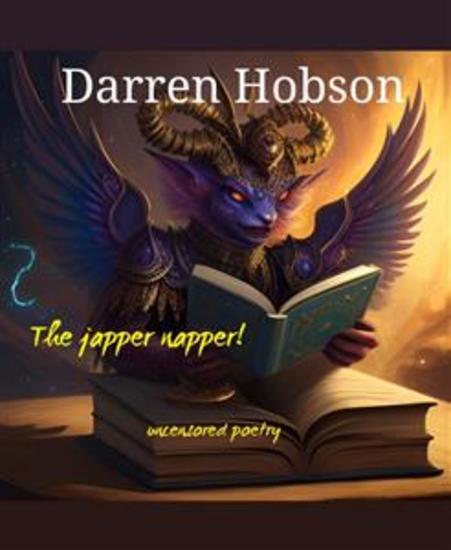
The Japper Napper - cover

The Japper Napper

Darren Hobson

Verlag: BookRix

  • 0
  • 0
  • 0

Beschreibung

This is the world we live in full of lies and conspiracies, nothing is what it seems, after reading papering over the cracks the reader can now see through the thin badly manufactured wallpaper that covers over the real truth. The story did not end there because if the reader decides to join in and demand the truth to be shown, the worlds governments would not be pleased, your words would be censored, your posts on your social media deleted and then if you insist on raising you voice and raising your fist, then it would be time to meet the Japper Napper!This book continues with the themes of the poet Darren Hobson, who asks the questions and insists the reader should be aware of what is really happening in this world, it is time for all of us to demand the truth only that way we can stand together united and face and defeat the Japper Napper.
Verfügbar seit: 22.12.2023.
Drucklänge: 36 Seiten.

Weitere Bücher, die Sie mögen werden

  • Simplex Munditiis - cover

    Simplex Munditiis

    Ben Jonson

    • 0
    • 0
    • 0
    LibriVox volunteers bring you 20 recordings of Simplex Munditiis by Ben Jonson. This was the Weekly Poetry project for February 26, 2012.Ben Jonson was an English poet and playwright. He had a huge influence on both the theatre of his day and that which came after.Much of his poetry was inspired by the classical world of Ancient Greece and Rome. He also wrote a lot of satirical poetry on everyday topics, of which this poem is one such example. (Summary by Lucy Perry)
    Zum Buch
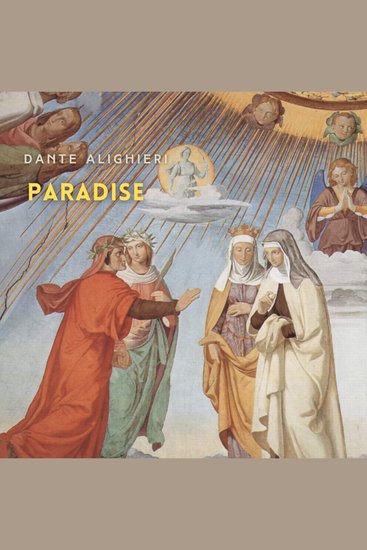
  • Paradise - cover

    Paradise

    Alighieri Dante

    • 0
    • 0
    • 0
    Dante Alighieri’s Paradise, the final part of The Divine Comedy, is a sublime journey through the celestial spheres of Heaven, guided by the idealized Beatrice, symbolizing divine love and theology. As Dante ascends through the nine heavens—Moon to the Empyrean—he encounters blessed souls, explores virtues, and contemplates divine mysteries, free will, and the nature of God. The poem culminates in a transcendent vision of the Holy Trinity, where human reason surrenders to divine grace. Blending poetic beauty, medieval cosmology, and profound spirituality, Paradise celebrates the soul’s ultimate fulfillment in God’s eternal light, offering a powerful vision of love, order, and salvation.
    Zum Buch
  • For Dolly who does not Learn her Lessons - cover

    For Dolly who does not Learn her...

    E. Nesbit

    • 0
    • 0
    • 0
    LibriVox volunteers bring you 16 recordings of For Dolly, who does not Learn her Lessons by E. Nesbit. This was the Weekly Poetry project for April 21st, 2013.Edith Nesbit reminds us of the magic - and brevity - of childhood.
    Zum Buch
  • Inferno - Dante Alighieri - cover

    Inferno - Dante Alighieri

    Alighieri Dante

    • 0
    • 0
    • 0
    Inferno (Italian for "Hell") is the first part of Dante Alighieri's 14th-century epic poem Divine Comedy.  
     
    Track List: 
     
    01	Bk 1, Inferno: Canto I - Canto V 
    02	Bk 1, Inferno: Canto VI - Canto X 
    03	Bk 1, Inferno: Canto XI - Canto XV 
    04	Bk 1, Inferno: Canto XVI - Canto XX 
    05	Bk 1, Inferno: Canto XXI - Canto XXV 
    06	Bk 1, Inferno: Canto XXVI - Canto XXX 
    07	Bk 1, Inferno: Canto XXXI - Canto XXXIV
    Zum Buch
  • Who Can Be Happy and Free in Russia? - cover

    Who Can Be Happy and Free in...

    Nikolai Nekrasov

    • 0
    • 0
    • 0
    Who Can Be Happy and Free in Russia? by Nikolai Nekrasov is one of the most powerful and socially significant works of Russian literature. Written during the nineteenth century, this remarkable narrative poem explores the struggles, hopes, and everyday realities of ordinary people living in a rapidly changing Russian society.
    
    The story begins with a simple yet profound question: who truly lives happily and freely in Russia? Determined to find the answer, a group of peasants sets out on a long journey across the countryside. As they travel from village to village, they meet individuals from many walks of life—landowners, priests, soldiers, laborers, and peasants—each offering their own perspective on happiness, freedom, and hardship.
    
    Through these encounters, the travelers discover that life in Russia is filled with contradictions. While some possess wealth or power, they often lack peace or fulfillment. Meanwhile, the working people who labor tirelessly for survival struggle under poverty and social injustice. Nekrasov uses these stories to reveal the deep inequalities and challenges faced by the Russian people during a period marked by social transformation and the aftermath of serfdom.
    
    The poem paints a vivid portrait of rural life, capturing the voices, traditions, and resilience of the peasantry. Nekrasov's writing blends powerful storytelling with lyrical expression, giving dignity and emotional depth to characters whose lives are shaped by hardship, hope, and perseverance.
    
    At its heart, the work is both a journey and a search for truth. The travelers' quest becomes a reflection on the nature of happiness and freedom within a society struggling with inequality and change. Along the way, Nekrasov explores themes such as social justice, dignity, hardship, moral courage, and the enduring spirit of ordinary people.
    
    Renowned for its emotional intensity and its commitment to portraying the lives of the common people, Who Can Be Happy and Free in Russia? stands as a landmark of Russian poetic literature. The work remains a compelling and thought-provoking exploration of society, asking questions that continue to resonate across generations.
    
    Through its powerful voices and unforgettable journey, Nekrasov's masterpiece invites readers to reflect on the true meaning of freedom, dignity, and happiness in the lives of individuals and nations alike.
    Zum Buch

  • The New Brownies' Book - A Love Letter to Black Families - cover

    The New Brownies' Book - A Love...

    Charly Palmer, Karida L. Brown

    • 0
    • 0
    • 0
    "[A] heartfelt tribute to young people of color and their 'reflection of resplendent beauty, ancient history ... and irreplaceable value.' It's a standout."—Publishers Weekly, starred review 
     
    Inspired by the groundbreaking work of W. E. B. Du Bois, this beautiful collection brings together an outstanding roster of Black creative voices to honor, celebrate, and foster Black excellence. 
     
    Give yourself a joyful smile as you look at your beautiful skin. Hug yourself. You are as unique as your fingerprints. This is TRUTH.—Halima Taha, “A Love Letter for You” from The New Brownies’ Book 
     
    In 1920, as art and writing flourished during the Harlem Renaissance, W. E. B. Du Bois published The Brownies’ Book: A Monthly Magazine for Children of the Sun—the first periodical for African American youth, collecting original art, stories, letters, and activities to celebrate their identities  
    and inspire their imaginations and ambitions. 
     
    Building upon Du Bois’s mission, esteemed professor and scholar Karida L. Brown and celebrated artist Charly Palmer reimagine the groundbreaking publication with The New Brownies’ Book, gathering the work of more than 50 contemporary Black writers, including Ntozake Shange, Frank X  
    Walker, Danny Simmons, and Alice Faye Duncan. Created by and for Black families today, this anthology is filled with inspiring essays, poems, and short stories reflecting on the joy and depth of the Black experience. 
     
    Delivering delight to adults and children alike, this powerful celebration of twenty-firstcentury Black culture fulfills the promise of its source material by reminding readers of all ages that Black is brilliant, beautiful, and bold.
    Zum Buch