Begleiten Sie uns auf eine literarische Weltreise!
Buch zum Bücherregal hinzufügen
Grey
Einen neuen Kommentar schreiben Default profile 50px
Grey
Jetzt das ganze Buch im Abo oder die ersten Seiten gratis lesen!
All characters reduced
Lights - cover

Lights

Anton Chekhov

Übersetzer Constance Garnett

Verlag: DigiCat

  • 0
  • 0
  • 0

Beschreibung

Anton Chekhov's "Lights" is a profound exploration of the human condition, interweaving elements of realism and psychological depth characteristic of his later works. Set against the backdrop of 19th-century Russia, the narrative masterfully delves into themes of existential despair, societal expectations, and the fleeting nature of happiness. Chekhov's nuanced character sketches and minimalist style evoke a sense of intimacy and immediacy, prompting readers to reflect on the internal struggles that haunt his characters as they navigate their complex lives in a rapidly changing world. Chekhov, renowned for his short stories and plays, was deeply influenced by his background as a physician and his observations of human behavior. His experiences in the tumult of Russian society and personal encounters with the struggles of ordinary people profoundly shaped his literary vision. "Lights" encapsulates Chekhov's lifelong commitment to depicting the intricacies of life, rendered with his characteristic blend of humor and melancholy. This work is highly recommended for readers seeking a deeper understanding of Chekhov's literary genius and the existential challenges of humanity. "Lights" offers an illuminating journey through the intricacies of human emotions, making it an essential read for fans of literary fiction and those interested in the psychological complexities of human experience.
Verfügbar seit: 15.09.2022.
Drucklänge: 37 Seiten.

Weitere Bücher, die Sie mögen werden

  • Some Possible Discoveries (Unabridged) - cover

    Some Possible Discoveries...

    H. G. Wells

    • 0
    • 0
    • 0
    Herbert George Wells (21 September 1866 - 13 August 1946) was an English writer. Prolific in many genres, he wrote dozens of novels, short stories, and works of social commentary, history, satire, biography and autobiography. His work also included two books on recreational war games. Wells is now best remembered for his science fiction novels and is often called the "father of science fiction", along with Jules Verne and the publisher Hugo Gernsback.
    SOME POSSIBLE DISCOVERIES: The present time is harvest home for the prophets. The happy speculator in future sits on the piled-up wain, singing "I told you so," with the submarine and the flying machine and the Marconigram and the North Pole successfully achieved.
    Zum Buch
  • Forgotten Sherlock Holmes - cover

    Forgotten Sherlock Holmes

    Sir Aarthur Conan Doyl

    • 0
    • 0
    • 0
    Are you ready to embark on an auditory journey that will send shivers down your spine and ignite your imagination? Our digital audio book collection is a treasure trove of gripping stories that will keep you on the edge of your seat. Let's take a sneak peek into the captivating dramatic reading that await you: 
     
    Story 1: The Field Bazaar 
    Step into a world of enigmatic secrets and unexpected twists with "The Field Bazaar." Uncover the mysteries that lie beneath the surface of an innocent-sounding event, as you join our characters in a thrilling adventure filled with suspense and intrigue. From hidden motives to shocking revelations, this story will leave you craving for more. 
     
    Story 2: The Lost Special 
    Prepare yourself for a mind-bending puzzle that will challenge your intellect in "The Lost Special." Join the hunt for a vanished train that seems to defy the laws of reality. As you unravel the layers of this perplexing enigma, you'll be immersed in a world of suspense that will keep you guessing until the very last second. 
     
    Story 3: The Man with the Watches 
    Dive into a realm of espionage and uncertainty with "The Man with the Watches." Follow the trail of a man who possesses more than just timepieces, as our protagonists navigate a web of deceit and espionage. This story will take you on a roller-coaster ride of emotions and revelations, leaving you utterly captivated. 
     
    Story 4: How‌ ‌Watson‌ ‌Learned‌ ‌the‌ ‌Trick 
    Uncover the untold story behind one of literature's most iconic duos in "How Watson Learned the Trick." Delve into the partnership between Sherlock Holmes and Dr. John Watson, and learn the secrets that lie beyond their legendary adventures. This narrative will shed light on the dynamics that have fascinated readers for generations.
    Zum Buch
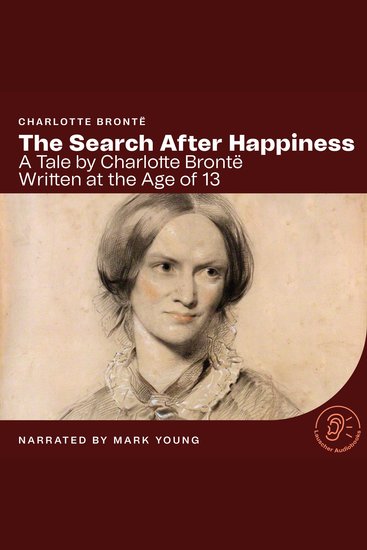
  • The Search After Happiness - A Tale by Charlotte Brontë Written at the Age of 13 - cover

    The Search After Happiness - A...

    Charlotte Brontë

    • 0
    • 0
    • 0
    The Search After Happiness is a 1829 novel by Charlotte Brontë. Written when the author was just thirteen years old, it is a disturbing tale of mysterious men and enslaving creatures that poses many questions but answers few. An uncanny insight into the mind of a young literary genius, "The Search After Happiness" is not to be missed by those who have read and enjoyed other works by this author. Charlotte Brontë (1816 - 31 March 1855) was an English novelist and poet, and the oldest sister in the world-famous trio of literary sisters. Along with her sisters', her novels have become irrefutable classics of English literature still read and enjoyed by people of all ages the world over.
    Zum Buch
  • The Telegram - cover

    The Telegram

    Konstantin Paustovsky, Marlene...

    • 0
    • 0
    • 0
    Konstantin Paustovsky was a Russian writer nominated for the Nobel Prize for literature in 1965, 1966,1967,1968.
    Paustovsky began writing while still in Gymnasium. His first works were imitative poetry but he restricted his writing to prose after Ivan Bunin wrote in a letter to him: "I think that your sphere, your real poetry, is prose. It is here, if you are determined enough, that I am sure you can achieve something significant."
    Paustovsky's prose, steeped in nostalgia and quiet sorrow, reaches its finest expression in The Telegram—a story of distance, both physical and emotional, and the irreversible weight of unsaid words.
    The Telegram is not merely a story; it is a whisper across time, a plea too late, a love unspoken until the silence swallows it whole. In Paustovsky's world, distance is more than geography—it is the fragile thread between duty and regret, between those who leave and those who wait. The past lingers in unmailed letters, in the hush of an empty house, in the shadow of a mother's gaze.
    His words do not shout—they murmur, they breathe, they break the heart with a tenderness that lingers long after the final sentence.
    Zum Buch
  • Master and Man - cover

    Master and Man

    Leo Tolstoy

    • 0
    • 0
    • 0
    "The thought that he might, and very probably would die that night occurred to him, but did not seem particularly unpleasant or dreadful."
    Master and Man is the haunting tale of a landowner and his servant caught in a snowstorm, where survival hinges not on status but on sacrifice. As the cold deepens and death looms, Tolstoy strips away social pretenses to reveal the redemptive power of selflessness.
    Leo Tolstoy (1828–1910) was a Russian novelist, philosopher, and social reformer, widely regarded as one of the greatest writers of all time. He is best known for his epic novels War and Peace and Anna Karenina, both celebrated for their intricate character development and profound exploration of moral dilemmas and human nature. In his later years, Tolstoy experienced a spiritual awakening which led him to reject materialism and embrace a life of simplicity, seeking to align his life with his beliefs about nonviolence and compassion. Tolstoy's legacy endures not only through his literary masterpieces but also through his profound impact on literature and philosophy.
    Zum Buch
  • Flowering of the Strange Orchid The (Unabridged) - cover

    Flowering of the Strange Orchid...

    H. G. Wells

    • 0
    • 0
    • 0
    The buying of orchids always has in it a certain speculative flavour. You have before you the brown shrivelled lump of tissue, and for the rest you must trust your judgment, or the auctioneer, or your good luck, as your taste may incline. The plant may be moribund or dead, or it may be just a respectable purchase, fair value for your money, or perhaps-for the thing has happened again and again-there slowly unfolds before the delighted eyes of the happy purchaser, day after day, some new variety, some novel richness, a strange twist of the labellum, or some subtler colouration or unexpected mimicry. Pride, beauty, and profit blossom together on one delicate green spike, and, it may be, even immortality. For the new miracle of nature may stand in need of a new specific name, and what so convenient as that of its discoverer? "John-smithia"! There have been worse names.
    Zum Buch