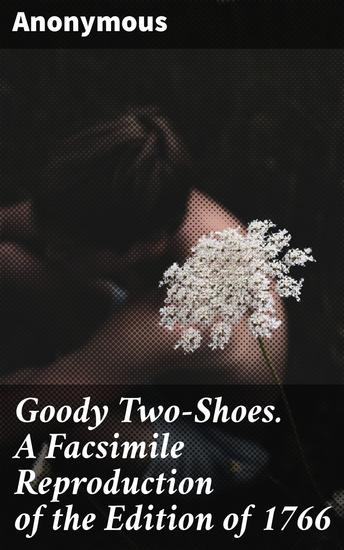
Goody Two-Shoes - A Tale of Virtue and Kindness from 18th Century Literature
Anonyme
Maison d'édition: Good Press
Synopsis
"Goody Two-Shoes" is a didactic children'Äôs novel published anonymously in the late 18th century, noted for its engaging narrative style and moral undertones. The story follows the titular character, Margery Meanwell, who rises from poverty to wealth, embodying the classic rags-to-riches trope. Richly illustrated and written in a lively prose punctuated by rhymes and moral lessons, it captures the revival ethos of the Enlightenment era, emphasizing themes of virtue, resilience, and the transformative power of education, distinguishing it from more contemporary children's literature. The author, whose identity remains shrouded in mystery, may be seen as a product of the socio-economic changes of the period, where the growing middle class craved literature that mirrored their aspirations. This cultural context points toward an intention to inspire young readers by illustrating the rewards of kindness and diligence. The book speaks to a time when moral instruction was seen as a critical contribution to children'Äôs upbringing, resonating deeply within a society poised between tradition and progressive values. "Goody Two-Shoes" is recommended for readers of all ages, particularly those interested in historical children's literature and moral tales. Its charming narrative and robust character development not only provide entertainment but also encourage critical reflection on the virtues of kindness and perseverance, making it an enduring text that remains relevant in today'Äôs discussions around character education.
Disponible depuis: 12/08/2023.
Longueur d'impression: 70 pages.