Rejoignez-nous pour un voyage dans le monde des livres!
Ajouter ce livre à l'électronique
Grey
Ecrivez un nouveau commentaire Default profile 50px
Grey
Abonnez-vous pour lire le livre complet ou lisez les premières pages gratuitement!
All characters reduced
Romanç d'Evast e Blaquerna - cover

Romanç d'Evast e Blaquerna

Ramon Llull

Maison d'édition: Editorial Barcino

  • 0
  • 0
  • 0

Synopsis

Al "Romanç d'Evast e Blaquerna", enllestit a la ciutat llenguadociana de Montpeller, llavors pertanyent al Regne de Mallorca, vers el 1283, Ramon Llull hi construeix un relat extens i sostingut, el més proper que va compondre al que avui considerem una novel·la. Hi narra la biografia exemplar del seu protagonista, Blaquerna, des del seu naixement en una família burgesa benestant fins a la seva digna i contemplativa senectut. Al llarg de les cinc parts de què està compost el llibre, dedicades a cinc estaments diferents, Llull ens hi ofereix una àmplia panoràmica de la vida a l'edat mitjana. Blaquerna, en el seu intens i activíssim periple vital, recorre els diversos estaments reformant-los i afavorint que la humanitat s'allunyi de l'error, i arribarà a ser escollit papa.Des d'aquesta posició establirà les bases de la reforma del conjunt de la cristiandat i, en el fons, de la humanitat completa. L'èxit de les seves reformes li permet retirar-se ja en la vellesa, en un eremitori, on redacta en la ficció un dels llibres més remarcables de tota la literatura medieval europea: el "Llibre d'amic i amat". Llull va dur a terme la novel·la més ambiciosa que mai s'hagués escrit fins aleshores. Ho era pel seu plantejament argumental i ho va ser per la seva realització narrativa. El que volia fer era una novel·la total: una ficció que donés raó d'allò que és primordial en la vida individual i col·lectiva, amb la voluntat de construir una obra que pogués interessar a tota mena de públics.
Disponible depuis: 16/07/2024.
Longueur d'impression: 625 pages.
D'autres livres qui pourraient vous intéresser

  • El "Tirant lo Blanch" i "D Quijote de La Mancha" - cover

    El "Tirant lo Blanch" i "D...

    J. (Juan) Givanel Mas

    • 0
    • 0
    • 0
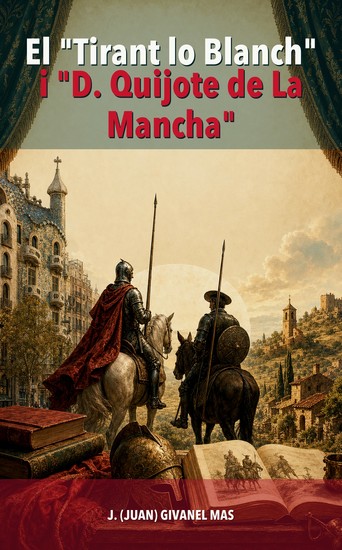
    "El 'Tirant lo Blanch' i 'D. Quijote de La Mancha'" by J. Givanel Mas is a scholarly publication written in the early 20th century. The book presents a critical examination of the influences between two seminal works of literature, exploring the connections and inspirations that exist between Miguel de Cervantes' "Don Quijote" and the earlier chivalric novel "Tirant lo Blanch" by Martí de Riquer. Through an analysis of various passages and characters, the work seeks to shed light on how these texts interact and inform each other within the context of their respective literary traditions. The opening of this study outlines the current academic discourse surrounding "Don Quijote," indicating a shift from purely celebratory analysis towards a search for the sources and influences that shaped Cervantes' work. Givanel Mas cites notable literary critics, referencing their arguments about the connections between "Don Quijote" and chivalric literature, particularly "Tirant lo Blanch." The text highlights Cervantes' extensive reading and engagement with chivalric romances, suggesting that his representation of knightly adventures and characters in "Don Quijote" was significantly influenced by the earlier work, providing textual examples that illustrate both similarities and contrasts between the two narratives. This Catalan-language digital edition is prepared with active navigation, clean typography, a custom cover and a reading file stripped of source-site notices, donation text and unnecessary external links.
    Voir livre
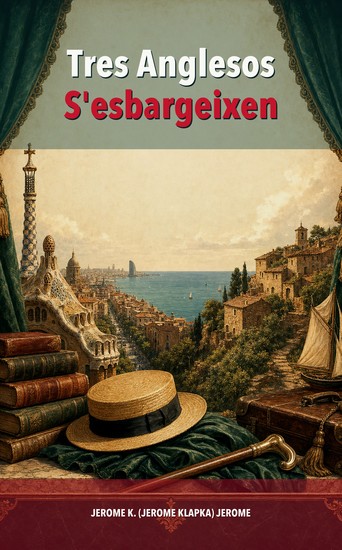
  • Tres Anglesos S'esbargeixen - cover

    Tres Anglesos S'esbargeixen

    Jerome K. (Jerome Klapka) Jerome

    • 0
    • 0
    • 0
    "Tres Anglesos S'esbargeixen" by Jerome K. Jerome is a humorous novel published in 1889. Three friends and a dog embark on a two-week boating holiday up the River Thames, camping along the way from Kingston to Oxford and back. Originally intended as a serious travel guide, the work transformed into a comic masterpiece filled with witty observations, disastrous mishaps, and memorable set pieces. The narrator recounts their adventures with fresh humor that has endured across generations, making everyday Victorian pastimes hilariously absurd. This Catalan-language digital edition is prepared with active navigation, clean typography, a custom cover and a reading file stripped of source-site notices, donation text and unnecessary external links.
    Voir livre
  • ILÍADA Liberada (edició portàtil) - cover

    ILÍADA Liberada (edició portàtil)

    Homer Homer

    • 0
    • 0
    • 0
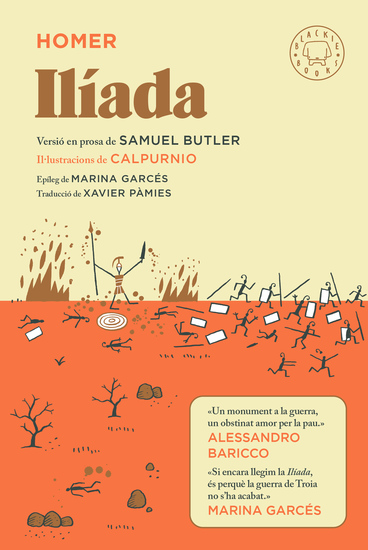
    «LA MORT EM POT ARRIBAR DE DUES MANERES. SI EM QUEDO AQUÍ COMBATENT, NO TORNARÉ VIU PERÒ EL MEU NOM VIURÀ PER SEMPRE; MENTRE QUE SI ME'N TORNO A LA LLAR EL MEU NOM ES MORIRÀ PERÒ LA MORT TRIGARÀ A ENDUR-SE'M.»
    Així parla Aquil·les, l'heroi grec que, tot i conèixer el seu destí, continuarà la batalla. Hèctor, l'heroi troià, abans d'encaminar-se a la mort s'acomiada de la dona i del fill amb aquestes paraules: «¿Com podré mirar als ulls els troians, tant homes com dones, si defujo la batalla com un covard? No puc; no sé fer altra cosa que combatre amb coratge.» Com ells dos, tots els guerrers d'un bàndol i de l'altre preferirien no ser a la guerra, però, atrapats pels capricis dels déus, busquen si més no assolir la glòria, ja que no poden mantenir la vida.
    Poema fundacional de la literatura occidental, la Ilíada continua captivant-nos perquè, darrere l'epopeia i la llegenda, hi batega una veritat intemporal sobre la guerra, el dolor i la condició humana.
    Voir livre
  • Lo rondallayre Tercera serie: Quentos populars catalans - cover

    Lo rondallayre Tercera serie:...

    Francesc Maspons i Labros

    • 0
    • 0
    • 0
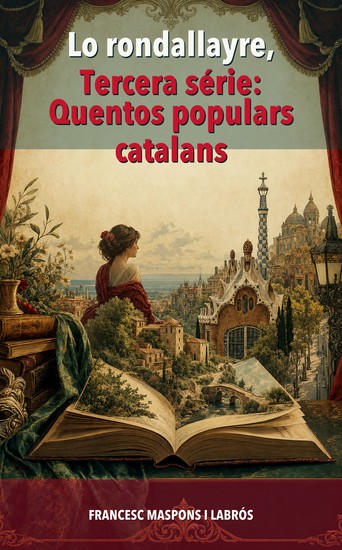
    "Lo rondallayre, Tercera série: Quentos populars catalans" by Maspons i Labrós is a collection of short stories and folktales written in the late 19th century. The book gathers a range of Catalan popular tales, often rooted in oral tradition and folklore, featuring a variety of protagonists such as clever youths, enchanted animals, humble villagers, and figures from myth and legend. The stories are designed to entertain and impart moral lessons, reflecting themes of wit, perseverance, fate, and transformation. Readers interested in traditional folk narratives or the cultural heritage of Catalonia would find this work particularly engaging. The beginning of the collection introduces several stories, each with distinct characters and fantastical situations. Tales include the adventures of Pere Revolt, a lively young man who finds himself caring for a magical castle before escaping with the help of an enchanted donkey; the trials of a boy who repeatedly bargains with the devil, each time learning the value of cleverness and caution; the quest of three royal brothers to win the throne through challenges involving magical animals and an enchanted princess; and the misadventures of a simple youth, Joan, whose literal-mindedness inadvertently brings his family fortune. Also present are brief, cumulative tales such as "La rateta," and wisdom stories like "Los tres consells de Salomó," where practical advice leads to prosperity and happiness. Overall, the stories in this opening section offer a vibrant sampling of Catalan folktale motifs, blending humor, magic, and lessons in morality. This Catalan-language digital edition is prepared with active navigation, clean typography, a custom cover and a reading file stripped of source-site notices, donation text and unnecessary external links.
    Voir livre
  • Galvany i el Cavaller Verd - cover

    Galvany i el Cavaller Verd

    Anònim

    • 0
    • 0
    • 0
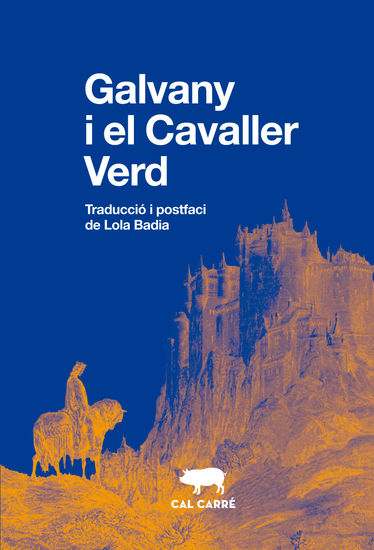
    «El Cavaller Verd s'apuntala amb tots dos peus a terra, inclina una mica elcap per mostrar la carn, s'aparta els bonics cabells passant-los per sobre dela coroneta i ofereix a la vista, a punt, el coll descobert.»
    
    A Camelot, la nit de Cap d'Any, el rei Artús, la reina Ginebra i els cavallers de la Taula Rodona tenen un gran ensurt. El Cavaller Verd irromp amb una juguesca: es deixarà tallar el coll i, passat un any, qui li hagi clavat el cop anirà a trobar-lo per rebre una paga equivalent. El rei accepta el repte, però Galvany s'ofereix de seguit per protegir el cap del seu oncle. I fa caure la destral damunt el coll del Cavaller Verd, que recull la testa de terra i surt de la sala, com si res.
    A lloms de Gringolet, Galvany cavalca per boscos i planes a la recerca de l'enigmàtica Capella Verda on l'espera l'aterridor cop de destral. Mentre hi arriba, vivim emocionants escenes de caça, d'amor i seducció i mengem àpats delicats.
    Aquest conte artúric del segle XIV va encisar J. R. R. Tolkien. Doneu-li les gràcies perquè és ell qui ha convençut Lola Badia que val la pena traduir-lo, passar una mica de por i decidir si el final és feliç o no. Llegim-lo i deixem que se'ns glaci la sang. El coll, el salvarem.
    Voir livre
  • L'Abrandament - cover

    L'Abrandament

    Carles Soldevila

    • 0
    • 0
    • 0
    "L'Abrandament" by Carles Soldevila is a novel written in the early 20th century." The story revolves around En Llucià, a convalescent recovering from an illness, and his sister Angelina, as they navigate the complexities of life, relationships, and societal expectations. Set against a backdrop of personal and existential reflection, it delves into themes of mediocrity, domestic life, and the nuances of human connection. "The opening of "L'Abrandament" introduces us to En Llucià's gradual recovery from illness and his interactions with Angelina, who is dedicated to his care." As he begins to regain his strength, he daydreams about food, expressing a deep craving for sustenance and indulging in pleasant memories tied to meals. Their bond is highlighted during discussions about their plans for a future trip, showcasing both camaraderie and underlying tensions. The narrative paints a vivid picture of their domestic setting and hints at the broader implications of their lives amidst the emerging complexities relationships will bring as they re-enter society. This Catalan-language digital edition is prepared with active navigation, clean typography, a custom cover and a reading file stripped of source-site notices, donation text and unnecessary external links.
    Voir livre