Junte-se a nós em uma viagem ao mundo dos livros!
Adicionar este livro à prateleira
Grey
Deixe um novo comentário Default profile 50px
Grey
Assine para ler o livro completo ou leia as primeiras páginas de graça!
All characters reduced
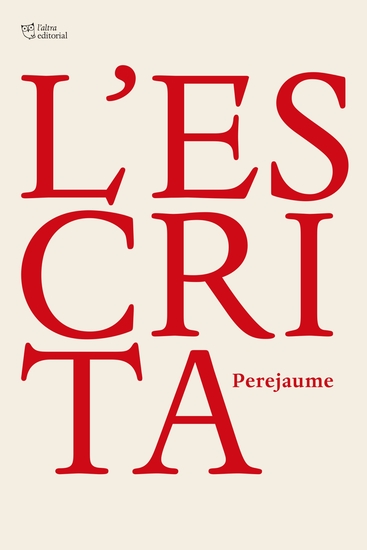
L'Escrita - cover
LER

L'Escrita

Perejaume

Editora: L'Altra editorial

  • 0
  • 0
  • 0

Sinopse

¿Com exercir l'escriptura com una força còsmica més? ¿Com procurar-se un discurs en el qual, més enllà de les personals, hi dominin causes territorials o climàtiques? ¿Com accedir a una escriptura de la matèria o compartida amb la matèria, que doni alternatives i camp a la nostra creació tan cansadament humana?

Perejaume (Sant Pol de Mar, 1957) és artista i escriptor. Ha publicat Ludwig Jujol (1989), Oïsme (1998), Obreda (2003), Pagèsiques (2011), Mareperlers i ovaladors (2013), Paraules locals (2015), Treure una marededéu a ballar (2018) i El sol i les fogueres (2022), entre altres llibres.

«Escriure per repetició, com els arbres. Perquè tot allò que es repeteix, perdura. Per a Perejaume, escriure és una delectació constant envers la ciclicitat i el poder de reversió i erosió que hi amaga», Carla Marco (La Lectora)

«Hi ha aventures literàries que creen llibres híbrids i inclassificables, amb les seves regles i coordenades. És el cas de Perejaume, que crea un espai propi i transferible, exigent però permeable, conscient que necessita fer partícip el lector», Francesc Serés (Diari Ara)

«Perejaume parla com el poeta que també és, perquè la seva mirada és poètica i agrària, dos elements que queden palesos en la seva obra», Montserrat Serra (Vilaweb)

«Perejaume és un pensador modern, no pas d'un nostàlgic encallat en el romanticisme», Joan Burdeus (Quadern, El País)

«Semblaria que l'objectiu de Perejaume és llegir el món per primer cop amb una mirada primigènia, singular i solitària, com si el veiés realment per primera vegada i, fascinat pel que ha vist, tan sols ho pogués descriure i dir portant el llenguatge fins als límits de la densitat i el fulgor, com si la revelació de l'esperit descobert transcendís i fes explotar els recursos verbals», Ponç Puigdevall (Quadern, El País)

«Hi ha obres que no existirien sense els textos, les obres i instal·lacions de Perejaume; sense la sofisticació popular de Sagarra i la delicadesa espiritual de Carner, sense Verdaguer i sense el Cançoner de Milà i Fontanals» Julià Guillamon (Cultura|s, La Vanguardia)

«Qualsevol escriptor, en qualsevol moment, té una actitud solitària respecte del seu temps, però és una actitud sentida, de ser conscient de quina és la teva tradició i del teu paper aquí. Agamben diu que no escriu pels coetanis, ni pels que vindran, sinó pels morts. Jo m'hi apunto. També en Perejaume hi ha aquesta connexió, una persona amb qui he tingut la sort de tenir força relació», Toni Sala
Disponível desde: 26/02/2025.
Comprimento de impressão: 320 páginas.
Outros livros que poderiam interessá-lo

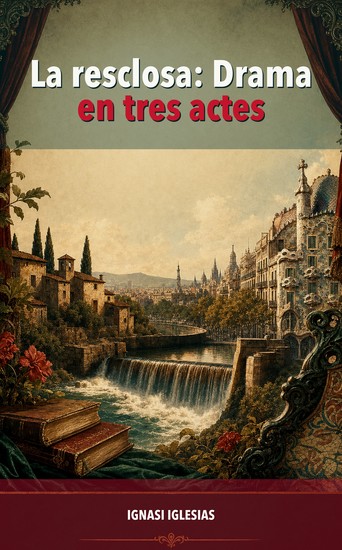
  • La resclosa: Drama en tres actes - cover

    La resclosa: Drama en tres actes

    Ignasi Iglesias

    • 0
    • 0
    • 0
    "La resclosa: Drama en tres actes" by Ignasi Iglesias is a play written in the early 20th century. The work unfolds in a mountainous setting and explores themes of love, societal expectations, and personal sacrifice. The central characters include Nuria, a young woman caught in the turmoil of her emotions, and David, who harbors deep feelings for her, complicating her engagement to another man, Adriá. At the start of the play, we are introduced to David and Arcadi, who are painting in nature while discussing artistic matters and the emotional state of their friend Adriá, who is engaged to Nuria. As the dialogue progresses, hints about the tension surrounding Nuria's impending marriage emerge, along with hints of deep affections that complicate relationships among the characters. Notably, David faces an internal struggle as he expresses a desire to rescue Nuria from a life of servitude and unfulfilled dreams, while she grapples with her feelings and the pressures of obligation. The opening sets the stage for a dramatic exploration of these intertwining lives against the backdrop of societal expectations. This Catalan-language digital edition is prepared with active navigation, clean typography, a custom cover and a reading file stripped of source-site notices, donation text and unnecessary external links.
    Ver livro
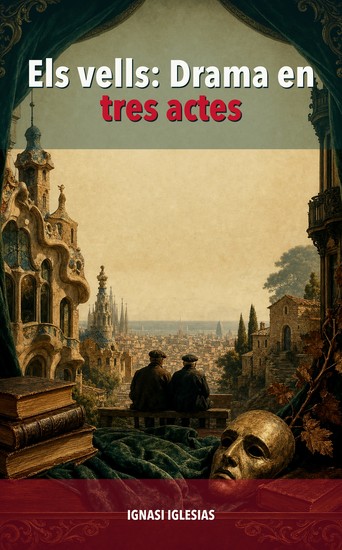
  • Els vells: Drama en tres actes - cover

    Els vells: Drama en tres actes

    Ignasi Iglesias

    • 0
    • 0
    • 0
    "Els vells: Drama en tres actes" by Ignasi Iglesias is a drama written in 1903. The play portrays the plight of aging workers who are dismissed when they become unproductive. Two elderly laborers, Joan and Valeri, face unemployment and must break the news to their families. Joan attempts to organize other dismissed workers to fight back, but his efforts prove unsuccessful. He decides to continue his struggle alone, leading to a dramatic conclusion that explores collective action and workers' rights. This Catalan-language digital edition is prepared with active navigation, clean typography, a custom cover and a reading file stripped of source-site notices, donation text and unnecessary external links.
    Ver livro
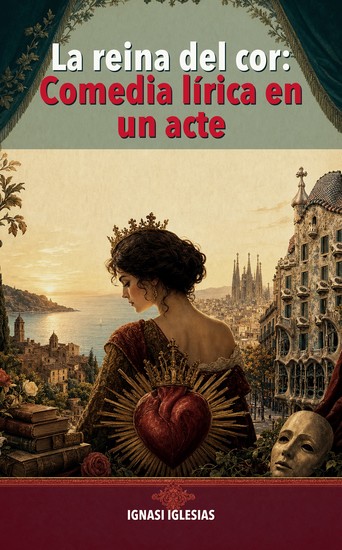
  • La reina del cor: Comedia lirica en un acte - cover

    La reina del cor: Comedia lirica...

    Ignasi Iglesias

    • 0
    • 0
    • 0
    "La reina del cor : Comedia lírica en un acte by Ignasi Iglesias" is a one-act lyric comedy (stage play with songs) written in the early 20th century. Set in a rural Catalan inn on Saint Anthony Abbot's day, it blends music, festivity, and romantic intrigue; the likely topic is a simple love story unfolding amid a carters' celebration. The play follows Reina, a virtuous young maid, and Tralla, a frank, big-hearted widowed carter who adores her and dreams of giving her a home and a daughter to love. Paula, the bustling innkeeper, nudges Reina to accept him, and Reina finally admits she has loved Tralla all along. As the village revels in the Tres Toms—drinking, joking, and preparing for the evening dance—Ramonet, Paula's son and a local favorite, realizes too late that he also loves Reina. Tralla publicly declares his intentions, warns Ramonet to show respect, and sets off to fetch the marriage papers. The comic bustle of Milhomes and the other carters, the musicians' lively tunes, and the promise of the ball frame the happy resolution: Reina joyfully waves her kerchief to Tralla as he departs, sealing a straightforward, affectionate union in the midst of communal merriment. This Catalan-language digital edition is prepared with active navigation, clean typography, a custom cover and a reading file stripped of source-site notices, donation text and unnecessary external links.
    Ver livro
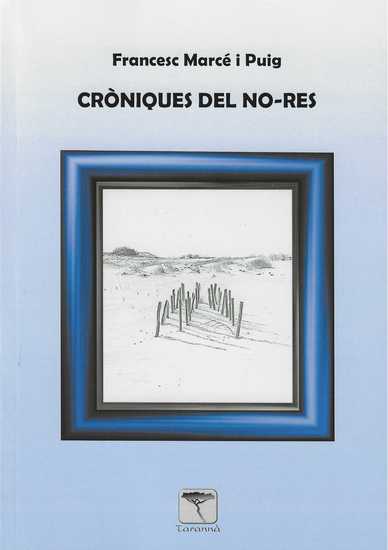
  • Croniques del no-res - cover

    Croniques del no-res

    Marcé Puig

    • 0
    • 0
    • 0
    Este libro es una recopilación de poemas dividido en cuatro partes: Poemas impertinentes, Aforismos para subsistir, Contra-refranes y Epigramas implacables, Todas ellas con un fondo común: Una visión crítica, por no decir sarcástica del momento actual que nos ha tocado vivir, tanto a nivel individual, político o colectivo.
        Ya sean hechos de una mínima o máxima trascendencia siempre, el autor intento quitarles todo el zumo posible (a los poemas). Por eso siempre tienen cierto cariz de fábula con moraleja final, cierto cariz aforístico, que resultan inesperadas, creativas, enriquecen el lenguaje y, en último término, invitan a cambiar la forma que tenemos de concebir una realidad concreta.
    Ver livro
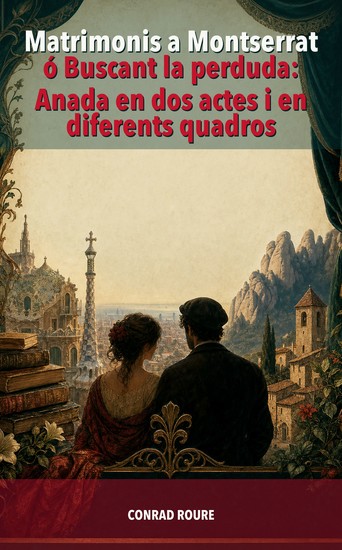
  • Matrimonis a Montserrat o Buscant la perduda: Anada en dos actes i en diferents quadros - cover

    Matrimonis a Montserrat o...

    Conrad Roure

    • 0
    • 0
    • 0
    "Matrimonis a Montserrat ó Buscant la perduda : Anada en dos actes i en…." by Conrad Roure is a Catalan comedic play written in the late 19th century. Set during a lively excursion to the Montserrat monastery, it centers on two mismatched newlyweds—Bonifaci with the young Cándida, and the young Martí with the older Pona—and on Miquel, a peasant anxiously searching for his wife Roseta. The tone is musical and playful, with choruses, dances, and gentle satire of excursionists and petty officials as jealousy and flirtation spark comic frictions. The opening of the play begins in a crowded railway carriage bound for Montserrat, where the travelers sing, banter, and we meet the couples, the jovial Narcís, and Miquel, who admits he has "lost" Roseta. At the monastery, lodging is arranged side by side, Pona's jealousy flares, and by moonlight at the hermitage of the Apòstols a bumbling town council from the Bruch provides comic relief before everyone dances a sardana. In the restaurant scenes, excursionists toast local wine while a photographer fusses over staging a group portrait; Cándida performs a waltz, Pona needles Martí, and Miquel ruins one shot by shouting "Roseta!" as he keeps searching. On the paths to the Cova and toward Sant Jeroni, a chorus of mariners sings in a panoramic interlude, and Narcís finally brings Miquel reassuring news via a trader's message that Roseta is well, as the party prepares to continue its outing—some on donkeys, others on foot. This Catalan-language digital edition is prepared with active navigation, clean typography, a custom cover and a reading file stripped of source-site notices, donation text and unnecessary external links.
    Ver livro
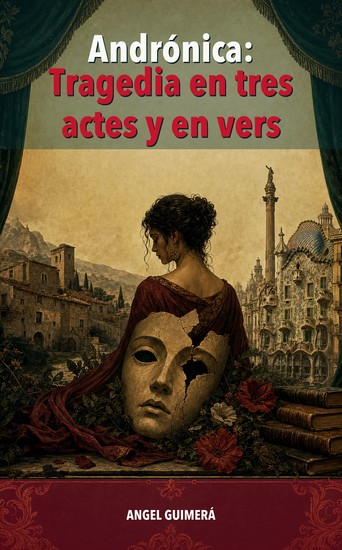
  • Andronica: Tragedia en tres actes y en vers - cover

    Andronica: Tragedia en tres...

    Angel Guimera

    • 0
    • 0
    • 0
    "Andrónica: Tragedia en tres actes y en vers" by Àngel Guimerà is a dramatic tragedy written in the early 20th century. The play is set in Anatolia in the year 1022 and features a range of characters including the main character, Andrónica, as well as Nicéfor, the emperor, and various nobles, priests, and soldiers. The work likely explores themes of power, betrayal, and the struggles of the people against tyranny, particularly against Nicéfor, who seems to embody oppressive rule. The opening of the play introduces a tense political climate in Anatolia, with Nicéfor's reign being challenged amidst concerns of betrayal and the impending threat of the Byzantine army. Initial scenes depict discussions between key figures, like the Abbot of Sant Thimur and the knight Livani, as they plot to remove Nicéfor from power. As the atmosphere grows increasingly fraught, Andrónica emerges as a crucial figure who challenges the emperor's authority, passionately advocating for the people and calling out Nicéfor's shortcomings. The dynamics among the characters hint at a brewing conflict that intertwines personal grievances with the larger struggle for freedom and justice, setting the stage for the dramatic events that are sure to unfold throughout the play. This Catalan-language digital edition is prepared with active navigation, clean typography, a custom cover and a reading file stripped of source-site notices, donation text and unnecessary external links.
    Ver livro