¡Acompáñanos a viajar por el mundo de los libros!
Añadir este libro a la estantería
Grey
Escribe un nuevo comentario Default profile 50px
Grey
Suscríbete para leer el libro completo o lee las primeras páginas gratis.
All characters reduced
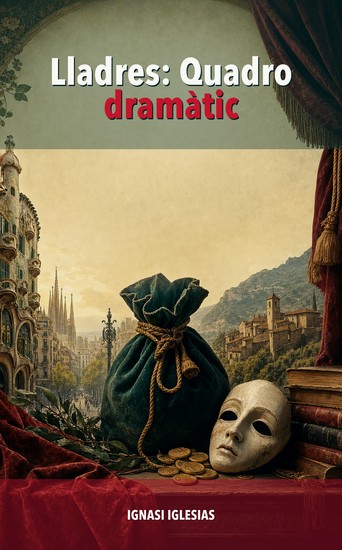
Lladres: Quadro dramatic - cover

Lladres: Quadro dramatic

Ignasi Iglesias

Editorial: Caelwick Press

  • 0
  • 0
  • 0

Sinopsis

"Lladres: Quadro dramàtic" by Ignasi Iglesias is a dramatic play written during the late 19th century. The narrative unfolds at an inn in Montcada, exploring themes of desperation, fear, and the moral dilemmas faced by its characters in a world plagued by theft and mistrust. The work presents a vivid atmosphere filled with tension and suspense, focusing on the struggles of various characters who find themselves at the mercy of potential thieves. The play follows the interaction of several key characters, including Blasi and Candia, a couple on the run who possess a hidden fortune that they are unwilling to disclose. As the night progresses, their fears of being robbed grow palpable, especially with Cisco, a worker at the inn who unwittingly adds to their anxiety. The tension escalates when a sinister figure, Joan, enters the scene, raising the stakes for Blasi and Candia. The narrative ultimately leads to a chaotic climax marked by misunderstandings and accusations, resulting in a tragic and shocking ending that reveals the harsh realities of life intertwined with crime and survival. This Catalan-language digital edition is prepared with active navigation, clean typography, a custom cover and a reading file stripped of source-site notices, donation text and unnecessary external links.
Disponible desde: 17/06/2026.
Longitud de impresión: 16 páginas.

Otros libros que te pueden interesar

  • La bona gent: Obra en quatre actes - cover

    La bona gent: Obra en quatre actes

    Santiago Rusinol

    • 0
    • 0
    • 0
    "La bona gent: Obra en quatre actes" by Santiago Rusiñol is a theatrical play written in the early 20th century. This work explores societal dynamics through the lens of characters involved in a pawnbroking establishment, revealing the struggles and interactions among the economically deprived and the well-off. The play presents a rich tapestry of characters including Sr. Batista, the pawnbroker, who navigates the moral complexities related to his business and interactions with customers and family. The opening of the play introduces us to a bustling pawnbroker's shop where various characters come and go, each bringing their struggles and personal histories. Sr. Batista is depicted as shrewd yet sympathetic, often reflecting on the nature of poverty and human dignity as he deals with customers like a desperate woman seeking money for her sick husband. The conversations among Batista's employees and customers reflect a blend of humor and commentary on social class, loyalty, and the harsh realities of life. As the characters navigate their relationships, Rusiñol sets the stage for deeper explorations of themes such as familial obligation, societal norms, and individual aspirations. This Catalan-language digital edition is prepared with active navigation, clean typography, a custom cover and a reading file stripped of source-site notices, donation text and unnecessary external links.
    Ver libro
  • Gent d'ara: Comedia en dos actes - cover

    Gent d'ara: Comedia en dos actes

    Eduard Coca i Vallmajor

    • 0
    • 0
    • 0
    "Gent d'ara" by Eduard Coca i Vallmajor is a stage comedy written in the early 20th century. It satirizes the clash between tradition and modernity in a Barcelona household where a stern shopkeeper father, Rimbau, demands his son Joanet join the family business while the son yearns to become an architect; Rosa, the level‑headed mother, is torn, as a pompous moralist (Don Ignasi), a sharp, ironic neighbor (Joseph), and Joseph's literary wife Mercedes stir the pot. Expect brisk domestic skirmishes, witty needling, and a humorous portrait of "people of today" pushing against old certainties. The opening of this play sets the conflict in motion: in their old Barcelona flat, Rimbau scolds Rosa and condemns Joanet's studies, enlisting Don Ignasi to preach parental authority, while neighbors Mercedes (a self‑styled intellectual novelist) and her sardonic husband Joseph drift in, trading barbs. Joseph quietly learns from the maid that father and son have already clashed, then counsels the arriving Joanet and his friend Lluis to stay respectful yet firm. A family gathering erupts when Rimbau publicly berates his son and even threatens violence, leaving Rosa in tears as Act I falls. At the start of Act II in the Vallcarca summer house, Don Ignasi pushes Rosa to side with the father, but she defends Joanet's vocation; tensions simmer over lunch, Joseph and Mercedes bicker about her writing, Joanet bursts out over insults to his mother, and Rosa pleads for calm. Mercedes attempts a dramatic reading of her novel, but as Don Ignasi sneaks off to corner Joanet and others slip away, the reading collapses and the family's generational standoff remains unresolved. This Catalan-language digital edition is prepared with active navigation, clean typography, a custom cover and a reading file stripped of source-site notices, donation text and unnecessary external links.
    Ver libro
  • L'ignoscenta: Tragedia en tres quadros - cover

    L'ignoscenta: Tragedia en tres...

    Joan Puig i Ferreter

    • 0
    • 0
    • 0
    L'ignoscenta by Joan Puig i Ferreter is a tragic stage play written in the early 20th century. Set in a Pyrenean castle in the late 17th century, it probes honor, vengeance, and the devastating consequences of sexual violence and buried family ties. Anxious after his daughter Dorotea vanishes, the old noble Pacià waits as search parties scour the countryside. Dorotea returns at last, pale and rigid, and tells her husband Pere d'Ildevert and her father that a stranger abducted and assaulted her in a cave; at dawn he recognized her by a medallion of her mother, cried for pardon, and killed himself. When the body is brought to the castle, Pacià recognizes the dead man as his long-lost son—Dorotea's brother—who, consumed by hatred of Ildevert, had vowed to harm the woman he married, unaware she was his own sister until too late. Faced with the horror, Dorotea takes her own life, and Ildevert, shattered, begs forgiveness as the tragedy closes. This Catalan-language digital edition is prepared with active navigation, clean typography, a custom cover and a reading file stripped of source-site notices, donation text and unnecessary external links.
    Ver libro
  • Catalanisches Streitgedicht zwischen En Buc und seinem Pferd - cover

    Catalanisches Streitgedicht...

    Wendelin Foerster

    • 0
    • 0
    • 0
    "Catalanisches Streitgedicht zwischen En Buc und seinem Pferd" by Wendelin Foerster is a scholarly work written in the late 19th century. This piece is categorized as a poetic dialogue and explores themes of morality, repentance, and the relationship between a man and his horse. It is rooted in Catalan literature and serves as an exploration of societal values during its time. The poem features a conversation between En Buc, a character who embodies the human experience, and his horse, which acts as both a confidant and a judge of Buc's actions. Throughout their dialogue, En Buc admits to various misdemeanors and grapples with the need for confessions and contrition. The horse challenges En Buc to reflect on his misdeeds, ultimately culminating in a testament that reflects Buc's desires for redemption and the equitable distribution of his belongings after death. The narrative delves into themes of guilt, social justice, and the absurdity of life, presented with a blend of humor and a serious critique of human nature. This Catalan-language digital edition is prepared with active navigation, clean typography, a custom cover and a reading file stripped of source-site notices, donation text and unnecessary external links.
    Ver libro
  • El barquer - cover

    El barquer

    Jez Butterworth

    • 0
    • 0
    • 0
    Un dia de finals d'agost, a la convulsa Irlanda del Nord de l'any 1981. Mentre un grup de joves presos de l'IRA reclama l'estatus de pres polític amb una vaga de fam que ja ha deixat víctimes mortals, a la granja dels Carney se celebra el dia de la collita: un dia de festa que es veurà bruscament interromput per un esdeveniment inesperat.
    
    L'autor anglès Jez Butterworth signa aquesta monumental història familiar: una epopeia de lleialtats i fractures, de traïcions i redempcions, que travessa el conflicte angloirlandès de l'últim quart del segle XX i n'explora les conseqüències íntimes.
    Ver libro
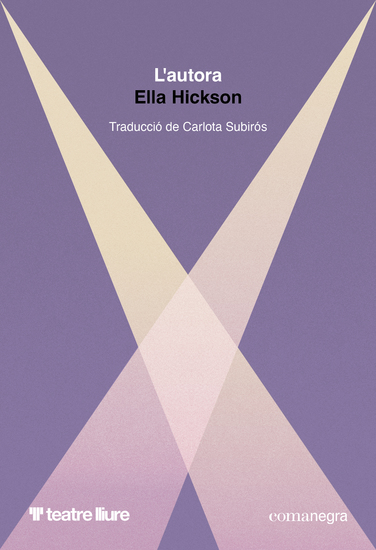
  • L'autora - cover

    L'autora

    Ella Hickson

    • 0
    • 0
    • 0
    Una jove escriptora vol fer la revolució. Trobar una manera nova d'explicar una història. Trencar els esquemes d'un imaginari dominat pels homes en la construcció de les ficcions. Començar de zero. La pregunta és: com? I a quin preu? Ella Hickson explora els mecanismes del patriarcat a la societat contemporània i al món de la creació amb una peça mordaç i incòmoda sobre l'autoria, el desig, el poder i les violències —visibles i invisibles— que travessen l'escena i la vida.
    Ver libro