Boris Godunov
Alexander Puskin
Translator Alfred Hayes
Publisher: e-artnow
Summary
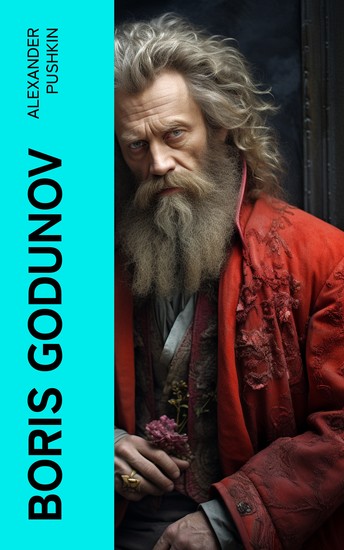
Boris Godunov is a closet play by Alexander Pushkin. Godunov reigned as Tsar in Russia and this fantastic play invites the reader into 17th century palace intrigue!
Translator Alfred Hayes
Publisher: e-artnow
Boris Godunov is a closet play by Alexander Pushkin. Godunov reigned as Tsar in Russia and this fantastic play invites the reader into 17th century palace intrigue!
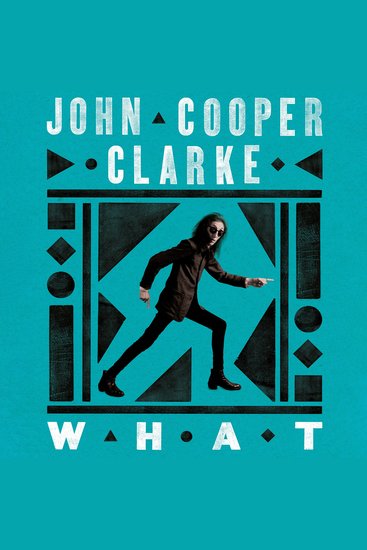
Read by the author, John Cooper Clarke.'Nothing short of dazzling' – Alex TurnerDr John Cooper Clarke's dazzling, scabrous voice has reverberated through pop culture for decades, his influence on generations of performance poets and musicians plain for all to see. In WHAT, the original 'People's Poet' comes storming out of the gate with an uproarious new collection, reminding us why he is one of Britain's most beloved writers and performers. James Brown, John F. Kennedy, Jesus Christ: nobody is safe from the punk rocker's acerbic pen – and that's just the first poem.Hot on the heels of The Luckiest Guy Alive and his sprawling, encyclopaediac memoir I Wanna Be Yours, the good Doctor returns with his most trenchant collection of poems yet. Vivid and alive, with a sensitivity only a writer with a life as varied and extraordinary as Cooper Clarke's could summon, WHAT is an exceptional collection from one of our foremost satirists.Show book
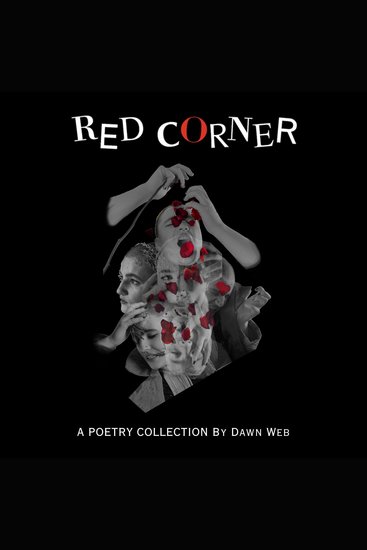
Through spoken word and musical compositions, Red Corner underpins the interconnectedness of key themes: identity, sexual health, neurodiversity, queer and political issues, sexism, racism, illness, suicide, perseverance, and navigating intergenerational trauma. Be transported by Dawn's raw and vulnerable tone: a visceral and transformative experience. Accompanied by musician and songwriter Salwa. “The early chapters are spare, confessional, and often emotionally messy...strange, uncanny, and disorienting. In the first half of the collection, Web typically favours economical, lyric poetry reminiscent of Phyllis Webb’s Naked Poems, but often plays with the rhythmic and declarative registers of slam poetry, sections of dialogue that call to mind screenwriting, and prose poems. This formal elasticity builds towards the sixth chapter, Vortex, a personal essay that chronicles the poet’s journey through mental illness, sexual assault, and sexual identity. The voice in this chapter and the following—Backwards, a socially-minded section reminiscent of Karen Solie’s politically charged poetry—is confident, even strident; the path to that self-assurance has been traced in the earlier chapters, which reveal Web’s ambivalence, in terms of diagnosis, embodiment, illness, and treatment. In the final chapters, Web returns to an intimate and confessional voice that opens towards a greater sense of connectivity, community, and acceptance. RED CORNER is more than a collection—it’s a carefully mapped journey that acknowledges the difficult and essential nature of self-acceptance... Web’s first book is a great read—it’s complex, thoughtful, and engaging. The breadth and the depth of the writing in RED CORNER promises that it won’t be the last from this ambitious, brave, and introspective young writer.” —Becca Babcock, Author with Nimbus Publishing, Actor/Filmmaker, Writing Instructor and Assistant Dean of FASS at Dalhousie UniversityShow book
*SHORTLISTED FOR THE 2022 FORWARD PRIZE FOR BEST FIRST COLLECTION* *A Poetry Book Society Special Commendation* Seaweed and sunburn. The death of a fridge. A 'pie-faced' St George upstaged by the horse. The English Summer confronts the illusions and paradoxes of history in poems that reimagine medieval anchorites and 18th-century follies, zombies and the Megabus. This is a landscape populated by overcrowded urban bedsits and burnt-out country piles, where ghosts of the past are sensed beneath dual carriageways and old gods emerge from rotting bindweed. Visceral and analytic at turns, Hopkins' startling collection probes at the undergrowth of English culture; a white-hot debut by a poet of singular vision.Show book
LibriVox volunteers bring you 18 recordings of Drink To Her by Thomas Moore. This was the weekly poetry project for July 5th, 2009.Show book
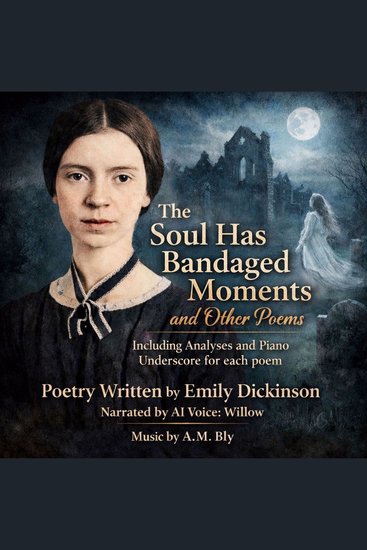
This audiobook is narrated by an AI Voice. Emily Dickinson’s poetry is intimate, daring, and unmistakably her own—compressed lyrics that probe death, faith, love, terror, and transcendence with startling precision. Her idiosyncratic punctuation, slant rhymes, and abrupt turns of thought mirror the mind’s hidden corridors, where revelation and dread often meet. In "The Soul Has Bandaged Moments and Other Poems," Dickinson’s voice emerges as both austere and electric, capable of piercing insight within the smallest compass of words. This audiobook pairs each poem with a clear, thoughtful analysis that illuminates Dickinson’s imagery, symbolism, and psychological depth without diminishing her mystery. Every poem is further accompanied by an original piano underscore, specially composed to reflect its emotional temperature—whether hushed, ominous, ecstatic, or serene—deepening the listener’s immersion. Narrated by AI voice Willow, with music by A. M. Bly, this collection offers a richly layered encounter with one of literature’s most haunting and enduring minds.Show book
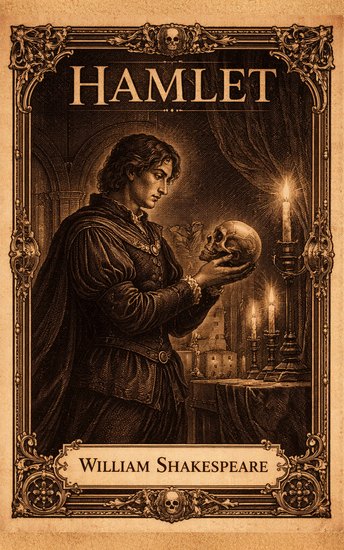
Hamlet by William Shakespeare is one of the most profound and influential tragedies ever written—a haunting exploration of revenge, madness, mortality, and the complexities of the human soul. Set in the royal court of Denmark, this timeless drama follows Prince Hamlet as he grapples with grief, betrayal, and a moral dilemma that will shape his destiny. The story begins with the sudden death of Hamlet's father, the King, and the swift remarriage of his mother, Queen Gertrude, to his uncle Claudius. When the ghost of the deceased king appears, revealing that he was murdered by Claudius, Hamlet is thrust into a storm of anguish and uncertainty. Charged with avenging his father's death, he struggles to reconcile his duty with his conscience, questioning not only the truth of the apparition but also the righteousness of revenge itself. Hamlet's internal conflict lies at the heart of the play. Intelligent, reflective, and deeply sensitive, he wrestles with existential questions about life, death, and the nature of action. His famous soliloquies—most notably the meditation on whether "to be or not to be"—reveal a mind torn between decisive action and paralyzing doubt. As he feigns madness to uncover the truth, the line between performance and reality begins to blur, leading to tragic consequences for those around him. Shakespeare surrounds Hamlet with richly drawn characters, each contributing to the unfolding tragedy. Ophelia, caught between loyalty and love, becomes a poignant symbol of innocence shattered by corruption. Polonius, Laertes, and Horatio each reflect different responses to honor and loss. Meanwhile, Claudius emerges as a complex antagonist—ambitious and calculating, yet burdened by guilt. Through poetic language and psychological depth, Hamlet examines themes of betrayal, loyalty, appearance versus reality, moral corruption, and the inevitability of death. The play delves into the fragility of human existence and the struggle to find meaning in a world marked by uncertainty and decay. Both intimate and epic, philosophical and dramatic, Hamlet continues to resonate with readers and audiences across centuries. Its exploration of conscience, identity, and the consequences of hesitation ensures its place as a cornerstone of world literature—a tragedy that confronts the darkest questions of the human condition with unmatched intensity and artistry.Show book