Unisciti a noi in un viaggio nel mondo dei libri!
Aggiungi questo libro allo scaffale
Grey
Scrivi un nuovo commento Default profile 50px
Grey
Iscriviti per leggere l'intero libro o leggi le prime pagine gratuitamente!
All characters reduced
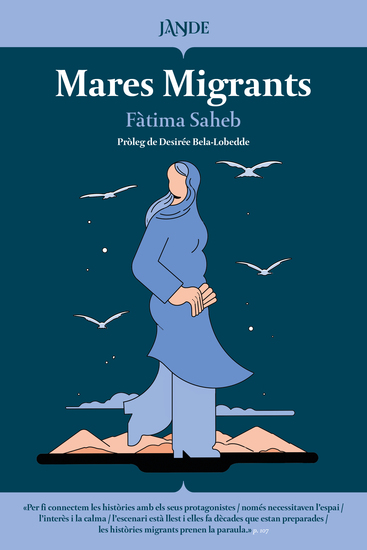
Mares Migrants - cover

Mares Migrants

Fatima Saheb

Casa editrice: Jande Editorial

  • 0
  • 0
  • 0

Sinossi

«A Mares Migrants, la Fàtima reconeix una cosa que, a vegades, se'ns oblida: que les nostres mares eren elles, abans de ser migrants i abans d'esdevenir mares.» Desirée Bela-Lobedde

«Fàtima Saheb ressegueix amb una delicadesa massa vegades dolorosa el camí de les mares que, com la seva, van prendre la decisió de la migració i les homenatja des d'una posició lluminosa per parlar de vincles, d'identitats i de memòria.» Mercè Folch

Mares Migrants és un poemari i una nota d'agraïment.
Una felicitació, un homenatge a les mares migrants, una porta a la reparació que no es van poder permetre entre tanta lluita. Una invitació personal i necessària que les seves filles i fills siguin també confidents. El desig que les seves històries arribin lluny i no morin mai.
Un llegat per als seus nets i netes. Capítols per als llibres d'història de les generacions vinents. Una oda al migrant i, potser, un manual de supervivència. Un amulet. I tantes altres coses.
Després d'anys de recitals, Fàtima Saheb ens ofereix en la seva primera obra publicada una lectura plena d'emoció i, sobretot, justícia poètica que transcendeix la mateixa experiència de la migració i les seves conseqüències.
Disponibile da: 23/03/2026.
Lunghezza di stampa: 208 pagine.
Altri libri che potrebbero interessarti

  • La morta: Quadro dramatich - cover

    La morta: Quadro dramatich

    Pompeu Crehuet i Pardas

    • 0
    • 0
    • 0
    "La morta: Quadro dramátich" by Pompeu Crehuet i Pardas is a dramatic play written in the early 20th century. Set in a small town near Barcelona, the play explores themes of loss, regret, and complex human relationships following the death of a woman named Mariagna. It delves into the lives of various characters as they grapple with their emotions and interactions, particularly focusing on familial ties and the repercussions of infidelity. The narrative unfolds in a household where the characters Eloy, Jaume, Quirse, Antonia, Rosa, and Teresa are dealing with the aftermath of Mariagna's death. As the characters interact, their pasts and unresolved tensions come to light. Jaume, the husband of the deceased, struggles with guilt and remorse, particularly about the affection he had for another woman, Rosa. The play reflects the emotional turmoil experienced by the characters as they confront their circumstances, leading to poignant revelations and an exploration of the burdens of guilt, love, and the quest for redemption. Throughout the unfolding drama, Eloy, who is portrayed as a mentally challenged boy, adds a layer of innocence and tragedy as he longs for his deceased mother. The play culminates in a moment of acknowledgment and reconciliation between father and son, emphasizing the enduring bonds of family amid tragedy. This Catalan-language digital edition is prepared with active navigation, clean typography, a custom cover and a reading file stripped of source-site notices, donation text and unnecessary external links.
    Mostra libro
  • La resclosa: Drama en tres actes - cover

    La resclosa: Drama en tres actes

    Ignasi Iglesias

    • 0
    • 0
    • 0
    "La resclosa: Drama en tres actes" by Ignasi Iglesias is a play written in the early 20th century. The work unfolds in a mountainous setting and explores themes of love, societal expectations, and personal sacrifice. The central characters include Nuria, a young woman caught in the turmoil of her emotions, and David, who harbors deep feelings for her, complicating her engagement to another man, Adriá. At the start of the play, we are introduced to David and Arcadi, who are painting in nature while discussing artistic matters and the emotional state of their friend Adriá, who is engaged to Nuria. As the dialogue progresses, hints about the tension surrounding Nuria's impending marriage emerge, along with hints of deep affections that complicate relationships among the characters. Notably, David faces an internal struggle as he expresses a desire to rescue Nuria from a life of servitude and unfulfilled dreams, while she grapples with her feelings and the pressures of obligation. The opening sets the stage for a dramatic exploration of these intertwining lives against the backdrop of societal expectations. This Catalan-language digital edition is prepared with active navigation, clean typography, a custom cover and a reading file stripped of source-site notices, donation text and unnecessary external links.
    Mostra libro
  • Disputa de l'ase - cover

    Disputa de l'ase

    Anselm Turmeda

    • 0
    • 0
    • 0
    Narrat per: Bernat Quintana, Josep Pedrals.
    La Disputa, escrita de vers els anys 1417-1418, constitueix una divertida sàtira de la pretesa superioritat humana respecte dels animals. S'hi narra un àgil diàleg entre fra Anselm i l'ase del títol, que posa de manifest el profund escepticisme doctrinal del seu autor.L'obra utilitza diferents gèneres del món literari medieval: l'apòleg, la disputa, la profecia i el relat satírico-còmic, sense oblidar els elements al•legòrics i cavallerescos. Inclou també components autobiogràfics (o que volen semblar-ho) de Turmeda, un frare apòstata que acabà abraçant l'Islam. El resultat és un producte irònic, amb una aparença moralista. És per això que sovint ha estat mal interpretat pels estudiosos del segle XX com a obra d'un autor penedit de la seva deserció religiosa. L'obra no va poder esquivar la censura coetània, fou condemnada per la Inquisició i només en restà la traducció al francès. La versió d'Albert Mestres i Marta Marfany és una traducció de l'original francès. Argument de l'obra L'aventura s'inicia amb un passeig pel bosc, fra Anselm s'adorm mentre les bèsties debaten l'elecció del nou rei.L'assemblea d'animals, que reuneix des dels més nobles (com el lleó i l'elefant) fins als més baixos (el poll, la puça, la lladella) és una metàfora de la societat humana, un tema molt recurrent a la literatura medieval. En arribar a un acord, els animals ho celebren cantant, saltant i provocant un esvalot que desperta Turmeda. El conill el reconeix de la seva vida captiva anterior, i el rei Lleó, després de sentir-ne a parlar, sol•licita la seva compareixença per tal que aquest "fill d'Adam" els esclareixi cert rumor: que considera l'espècie humana superior als animals. I és així com s'inicia el nus de la faula, un diàleg entre el frare i un "ase cap de suro i desgraciat" que contradiu totes les raons de l'home. Fra Anselm s'esforça a pronunciar dinou arguments a favor de la superioritat de la seva espècie enfront de les altres. Exposa amb audàcia i gosadia raons de costums, d'aparença, de virtuts, d'intel•lecte… però no és fins a l'últim i decisiu argument que desarma el seu interlocutor:Déu es va encarnar en home i no en animal. Davant la derrota, el rei reconeix la seva naturalesa inferior i submisa als éssers humans i deixa anar lliure el captiu. L'autor insereix entremig de la trama vuit històries còmiques que ataquen els frares sense pietat i una profecia de caire transcendental i en vers predita pel "reverendíssim" ruc.
    Mostra libro
  • Llibre d'horas - cover

    Llibre d'horas

    Apeles Mestres

    • 0
    • 0
    • 0
    "Llibre d''horas by Apeles Mestres" is a lyrical poetry collection written in the late 19th century. Shaped like a traditional book of hours, it traces a single day from dawn to night, blending vivid nature imagery with gentle philosophical reflections on time, presence, love, and a discreet sense of the divine. The morning poems awaken with the lark and first light, urging us to seize the only sure moment—now—while counseling calm, constancy, and trust in a higher purpose. Midday celebrates sunlit fields alive with birds, blossoms, and buzzing life. Afternoon turns meditative: clouds transform and pass, losses are met with nature's renewals, melancholy lengthens yet yields to hope, and twilight hushes the landscape as mountains sleep and two vigilant cats face off in a garden. Night widens the gaze to the cosmos—the moon's silent path, the world stilled under silver light, the Angel of Sleep, the clock grinding moments into eternity, questions whispered to the stars—and closes with a luminous vision of God moving through sky, sea, and fields, affirming the quiet rhythms of life and a serene, steadfast faith. This Catalan-language digital edition is prepared with active navigation, clean typography, a custom cover and a reading file stripped of source-site notices, donation text and unnecessary external links.
    Mostra libro
  • Una nit de carnaval: Pessa en un acte y en vers - cover

    Una nit de carnaval: Pessa en un...

    Joaquin Dimas

    • 0
    • 0
    • 0
    Una nit de carnaval: Pessa en un acte y en vers by Joaquín Dimas is presented as a clean Catalan-language ebook in the general tradition. The edition preserves the work's literary character while preparing it for sustained digital reading with an active table of contents and clear structure. The opening pages establish the tone with this passage: Personas Sr. Climent. Barber Teresa. Sa muller. Salvador. Germá de Teresa. Máscara 1.ª. Vehins. Idem 2.ª. " Idem 3.ª. " Sr. Pau. " Sr. Xarápi. " Comparsas. " La escena passa en Barcelona, á la nit de Carnaval. Una nit de carnaval. Lo teatro representa un carre The file has been rebuilt for fluent reading without source-site boilerplate or extraneous links.
    Mostra libro
  • Gala Placidia: Tragedia en tres actes - cover

    Gala Placidia: Tragedia en tres...

    Angel Guimera

    • 0
    • 0
    • 0
    "Gala Placidia: Tragedia en tres actes" by Àngel Guimerà is a dramatic play written in the late 19th century. This tragedy is rooted in historical events, focusing on the life of Gala Placidia, the Roman empress and daughter of Emperor Theodosius. The narrative traverses her complex relationships, mainly with her husband, the Gothic king Ataulf, setting the stage for themes of love, power, and ethnic strife. The opening of the play introduces the setting in Barcelona in the year 416, emphasizing the tension between the Goths and Romans. The first act unfolds within the chamber of King Ataulf, who grapples with the pressures of leadership and his love for Placidia. The dialogues reveal the backdrop of political intrigue, with characters expressing their loyalties and conflicts. Ataulf's interactions with the newly introduced characters, such as Sigerich—who seems to bear a grudge against Roman authority—foreshadow the turbulent emotional landscape that will evolve throughout the tragedy. The act concludes with a sense of foreboding regarding the fate of Placidia and the Gothic realm, hinting at deeper betrayals and conflicts that lie ahead. This Catalan-language digital edition is prepared with active navigation, clean typography, a custom cover and a reading file stripped of source-site notices, donation text and unnecessary external links.
    Mostra libro