Unisciti a noi in un viaggio nel mondo dei libri!
Aggiungi questo libro allo scaffale
Grey
Scrivi un nuovo commento Default profile 50px
Grey
Iscriviti per leggere l'intero libro o leggi le prime pagine gratuitamente!
All characters reduced
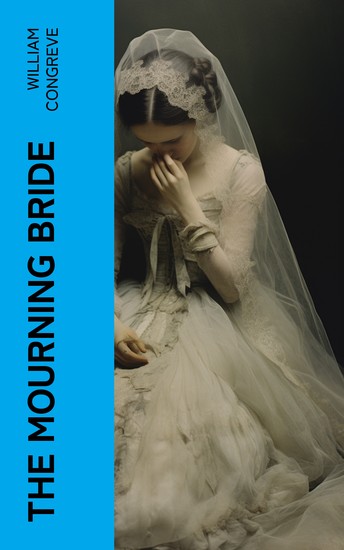
The Mourning Bride - cover

The Mourning Bride

William Congreve

Casa editrice: e-artnow

  • 0
  • 0
  • 0

Sinossi

The Mourning Bride is a tragedy by William Congreve. Queen Zara is held captive by Manuel, King of Granada. A maze of passion and deceit triggers the erroneous killing of Manuel who is in disguise, leading to a tragic response in the royal courts.
Disponibile da: 06/12/2023.
Lunghezza di stampa: 47 pagine.

Altri libri che potrebbero interessarti

  • Henrik Ibsen 3 Complete Works - A Dolls House The Wild Duck Peer Gynt - cover

    Henrik Ibsen 3 Complete Works -...

    Henrik Ibsen

    • 0
    • 0
    • 0
    Henrik Ibsen, the renowned Norwegian playwright, is celebrated for his influential contributions to modern theater. Born in 1828, Ibsen's early life was marked by financial struggles and personal hardships. However, his unwavering determination and artistic talent propelled him to become one of the most prominent figures in the world of drama. Ibsen's works, including "A Doll's House," "Hedda Gabler," and "Ghosts," challenged societal conventions, delving into themes of individuality, morality, and the consequences of societal expectations. 
     
    Ibsen's legacy lies in his revolutionary approach to playwriting, which defied the norms of his time. His plays were characterized by complex characters and thought-provoking narratives that explored the human psyche. By confronting controversial subjects such as gender roles, marital relationships, and societal hypocrisy, Ibsen shattered the boundaries of Victorian drama, laying the groundwork for realism and naturalism in theater. His emphasis on psychological realism and his commitment to social critique left an indelible mark on the dramatic arts, influencing generations of playwrights and directors. 
     
    In addition to his profound impact on the theater, Ibsen's artistry extended to his skillful use of symbolism and poetic language. His plays were meticulously crafted, with each word and gesture carrying deep significance. Ibsen's ability to weave intricate layers of meaning into his works elevated them to the level of profound literature. His writings provided a lens through which audiences could examine their own lives and the world around them, encouraging critical reflection and sparking dialogue on societal issues.
    Mostra libro
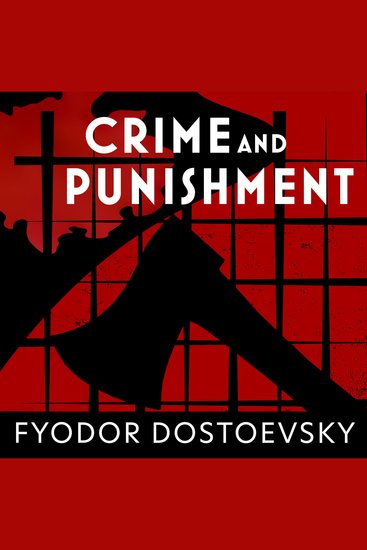
  • Crime and Punishment - cover

    Crime and Punishment

    Fyodor Dostoevsky

    • 0
    • 0
    • 0
    Part of the original Harvard Classics compendium series • One of TIME's 100 Best Mystery and Thriller Books of All Time  
    Crime and Punishment tells the story of Rodion Raskolnikov, an ex-student who plans to murder a pawnbroker to test his theory of personality. Having accomplished the deed, Raskolnikov struggles with mental anguish while trying to both avoid the consequences and hide his guilt from his friends and family.  
    Dostoevsky’s original idea for the novel centered on the Marmeladov family and the impact of alcoholism in Russia, but inspired by a double murder in France he decided to rework it around the new character of Raskolnikov. The novel was first serialized in The Russian Messenger over the course of 1866, where it was an instant success. It was published in a single volume in 1867.   
    This new and unabridged audiobook edition is based on Constance Garnett’s 1914 translation.
    Mostra libro
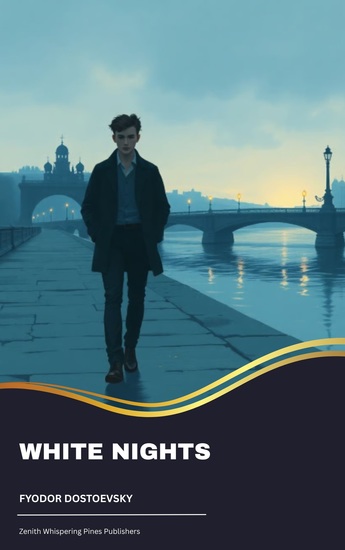
  • White Nights - cover

    White Nights

    Fyodor Dostoevsky

    • 0
    • 1
    • 0
    Lose Yourself in the Ghostly Glow of a St. Petersburg Summer.
    
    In the ethereal twilight of the Russian "White Nights," a lonely young man—known only as the Dreamer—wanders the deserted streets of St. Petersburg. His solitary existence is suddenly transformed when he saves a young woman, Nastenka, from an unwanted pursuer. Over the course of four hauntingly beautiful nights, the two strangers share their deepest secrets, hopes, and heartbreaks.
    
    Fyodor Dostoevsky's White Nights is a profound exploration of the human heart's capacity for both intense joy and crushing isolation. As the Dreamer emerges from his world of shadows to experience a fleeting brush with real love, Dostoevsky masterfully captures the bittersweet transition from youth to disillusionment.
    
    This definitive edition presents one of Dostoevsky's most lyrical and accessible works. Subtitled "A Sentimental Story from the Diary of a Dreamer," this novella remains a timeless meditation on the beauty of a single moment of happiness and the enduring power of memory.
    
    Experience the magic of the midnight sun. Buy "White Nights" today and discover the soul of Russian literature.
    Mostra libro
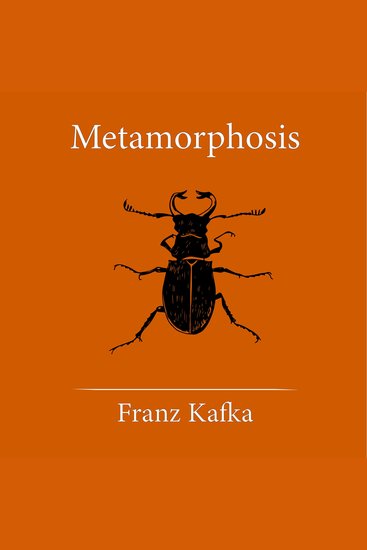
  • Metamorphosis - cover

    Metamorphosis

    Franz Kafka

    • 0
    • 0
    • 0
    Metamorphosis (German: Die Verwandlung) is an allegorical novella written by Franz Kafka which was first published in 1915. One of Kafka's best-known works, Metamorphosis tells the story of salesman Gregor Samsa, who wakes one morning to find himself inexplicably transformed into a huge insect (ungeheueres Ungeziefer, lit. "monstrous vermin") and subsequently struggles to adjust to this new condition. The novella has been widely discussed among literary critics, with differing interpretations being offered. In popular culture and adaptations of the novella, the insect is commonly depicted as a cockroach.
    Mostra libro
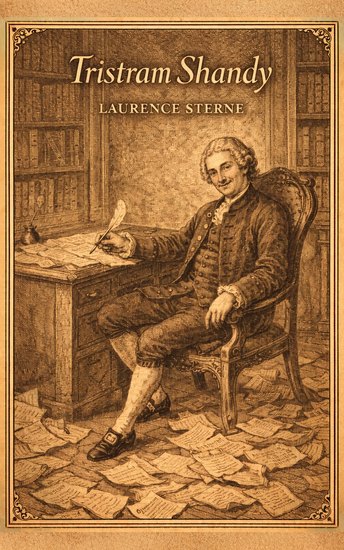
  • Tristram Shandy - cover

    Tristram Shandy

    Laurence Sterne

    • 0
    • 0
    • 0
    Tristram Shandy by Laurence Sterne is one of the most inventive and unconventional novels in English literature. First published in nine volumes between 1759 and 1767, this groundbreaking work defies traditional storytelling, blending humor, philosophy, satire, and playful experimentation into a narrative unlike any that had come before it.
    
    Presented as the life story of Tristram Shandy, the novel begins with what should be a straightforward autobiographical account. However, from the very first pages, the narrator becomes delightfully sidetracked by digressions, anecdotes, and reflections that delay his own birth for hundreds of pages. Instead of progressing in orderly fashion, the story loops backward and forward in time, introducing readers to a lively cast of eccentric characters whose personalities often overshadow the supposed hero.
    
    At the center of the novel is the Shandy family. Tristram's father, Walter Shandy, is a man of elaborate theories and peculiar philosophies, convinced that names, noses, and timing determine a person's destiny. Uncle Toby, perhaps the most beloved character in the book, is gentle, kind-hearted, and charmingly obsessed with recreating military fortifications from past wars. Through their conversations and obsessions, Sterne crafts both affectionate comedy and subtle social satire.
    
    The novel's structure is famously experimental. Sterne interrupts the narrative with blank pages, marbled pages, diagrams, and playful commentary addressed directly to the reader. These unconventional techniques challenge the idea of what a novel can be, transforming the act of reading into a shared experience between author and audience. The result is a work that feels surprisingly modern despite its eighteenth-century origins.
    
    Beneath its wit and absurdity, Tristram Shandy explores profound themes: the unpredictability of life, the limitations of language, the fragility of human plans, and the joy found in everyday absurdities. Sterne's humor ranges from subtle irony to bold farce, yet it is always underpinned by a deep humanity and compassion for his characters' quirks and vulnerabilities.
    
    Celebrated for its originality and influence, Tristram Shandy has inspired generations of writers with its bold departure from conventional narrative form. It remains a vibrant and entertaining masterpiece that invites readers to embrace digression, delight in eccentricity, and appreciate the comic complexity of human existence.
    Mostra libro

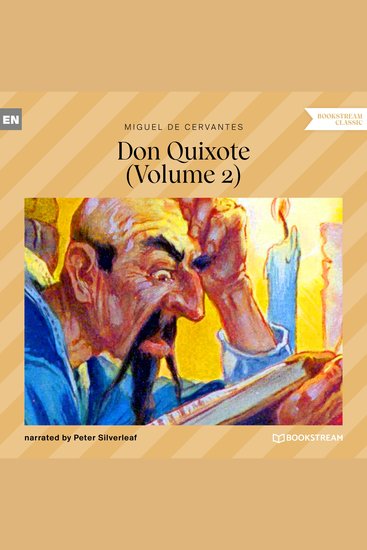
  • Don Quixote (Volume 2) - cover

    Don Quixote (Volume 2)

    Miguel de Cervantès

    • 0
    • 0
    • 0
    The Ingenious Gentleman Don Quixote of La Mancha is a Spanish novel by Miguel de Cervantes. Published in two parts, in 1605 and 1615, Don Quixote is the most influential work of literature from the Spanish Golden Age and the entire Spanish literary canon. A founding work of Western literature, it is often labeled "the first modern novel" and is sometimes considered the best literary work ever written.
    Although the two parts are now published as a single work, Don Quixote, Part Two was a sequel published ten years after the original novel. While Part One was mostly farcical, the second half is more serious and philosophical about the theme of deception. Part Two of Don Quixote explores the concept of a character understanding that he is written about, an idea much explored in the 20th century. As Part Two begins, it is assumed that the literate classes of Spain have all read the first part of the story. Cervantes' meta-fictional device was to make even the characters in the story familiar with the publication of Part One, as well as with an actually published, fraudulent Part Two.
    Mostra libro