Unisciti a noi in un viaggio nel mondo dei libri!
Aggiungi questo libro allo scaffale
Grey
Scrivi un nuovo commento Default profile 50px
Grey
Iscriviti per leggere l'intero libro o leggi le prime pagine gratuitamente!
All characters reduced
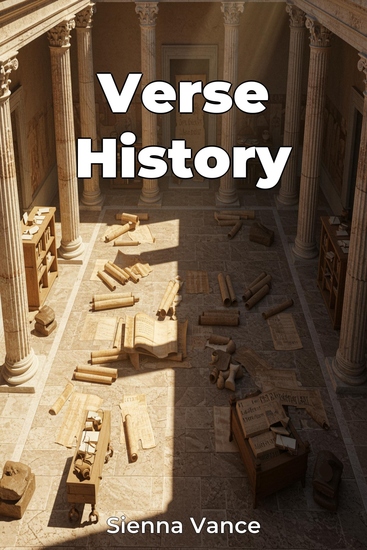
Verse History - cover

Verse History

Sienna Vance

Traduttore A AI

Casa editrice: Publifye

  • 0
  • 0
  • 0

Sinossi

Verse History explores how poetry's structure has transformed over time, shaped by societal shifts and technological advancements. It examines verse forms from classical rigidity to contemporary experimental styles, revealing how changes in meter, rhyme, and structure reflect evolving cultural values.

 
Understanding the history of poetry provides insights into the changing values, beliefs, and artistic sensibilities of different cultures and periods. The book argues that verse forms are not merely aesthetic choices but are deeply connected to their social and intellectual environments.

 
The book uniquely combines close readings of poems with broad historical analysis, emphasizing the interplay between form and cultural context. For example, the rise of free verse mirrors the industrialization and urbanization of the 19th and 20th centuries. This approach allows for a nuanced understanding of how poetry reflects and shapes the world.

 
Verse History progresses chronologically, beginning with classical roots, moving through medieval and Renaissance transformations, exploring avant-garde movements, and concluding with contemporary trends like digital poetry.
Disponibile da: 06/05/2025.
Lunghezza di stampa: 80 pagine.


Altri libri che potrebbero interessarti

  • WOMEN OF STRENGTH: FINDING CALM IN THE STORM - Finding Peace Power and Purpose in Challenging Times - cover

    WOMEN OF STRENGTH: FINDING CALM...

    Dr. Muddassir Saleem

    • 0
    • 0
    • 0
    Women of Strength: Finding Calm in the Storm” is a heartfelt and empowering audiobook that guides women through the chaos of modern life toward inner peace and emotional resilience. Through reflective storytelling, mindfulness practices, and motivational insights, this audiobook helps listeners rediscover their strength, rebuild confidence, and embrace serenity even in life’s toughest moments. 
    It’s a companion for every woman navigating personal challenges, balancing responsibilities, and seeking calm in the storm of daily pressures.
    Mostra libro
  • We Love - Trans and Genderqueer Erotica - cover

    We Love - Trans and Genderqueer...

    Giselle Renarde

    • 0
    • 0
    • 0
    Rainbow Award-winning author Giselle Renarde brings you ten sensual stories featuring transgender and genderqueer characters. Giselle’s erotic fiction has appeared in nearly 200 erotic anthologies, including prestigious collections like Best Lesbian Erotica, Best Bondage Erotica, and the Lambda Award-winner Take Me There. This collection includes tales of new love, established couples, BDSM, erotic romance, and somuch more! 
     
    “Love Me” features stories such as: SM, Postcards from Paris, Spring Fever, Third Rail and Everybody Knows. 
     
    For Mature Audiences Only 
    Mostra libro
  • The Silence Dogood Letters - cover

    The Silence Dogood Letters

    Benjamin Franklin

    • 0
    • 0
    • 0
    As a teenager, Benjamin Franklin apprenticed with his brother James at the shop where The New-England Courant was printed. Since James would not publish any of Benjamin's works, fifteen-year-old Benjamin sent letters to The New England Courant under the pseudonym Silence Dogood. A total of fourteen letters were sent, one each fortnight, between April and December of 1722. (Introduction by Darcy Smittenaar)
    Mostra libro
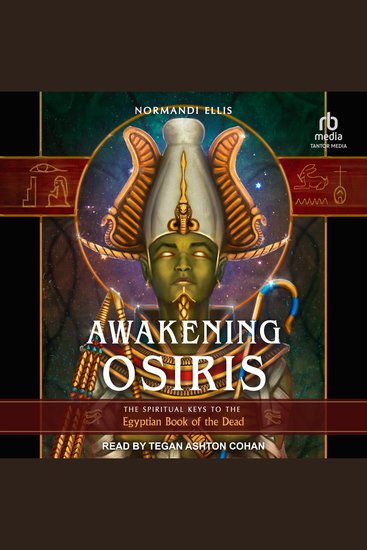
  • Awakening Osiris - The Spiritual Keys to the Egyptian Book of the Dead - cover

    Awakening Osiris - The Spiritual...

    Normandi Ellis

    • 0
    • 0
    • 0
    A beautiful and engaging rendering of the Egyptian Book of the Dead. 


    The Egyptian Book of the Dead is one of the oldest and greatest classics of Western spirituality. Until now, the available translations have treated these writings as historical curiosities that have little relevance to our contemporary situations. This new version, made from the hieroglyphs, approaches the Book of the Dead as a profound spiritual text capable of speaking to us today. These writings suggest that the divine realm and the human realm are not altogether separate—they remind us that the natural world, and the substance of our lives, is fashioned from the stuff of the gods. Devoted like an Egyptian scribe to the principle of "effective utterance," Normandi Ellis has produced a prose translation that reads like pure, diaphanous verse.
    Mostra libro
  • Direct Perception is Freedom - Bombay (Mumbai) 1971 - Public Talk 2 - cover

    Direct Perception is Freedom -...

    Jiddu Krishnamurti

    • 0
    • 0
    • 0
    ". Direct perception is freedom - 10 February 1971 
    • Can the mind living in this world ever be free, not only superficially but 
    profoundly, at the very root of its existence? 
    • ‘Freedom from’ is an abstraction, but freedom in observing ‘what is’ and going 
    beyond it is actual freedom. 
    How do I observe greed? Do I observe it as an outsider looking in or do I observe it without the observer? 
    Without the mind being free you cannot live in order. 
    Q: Three years have passed; I have no energy to be aware of my reactions. Q: Can we seek God through observation?"
    Mostra libro
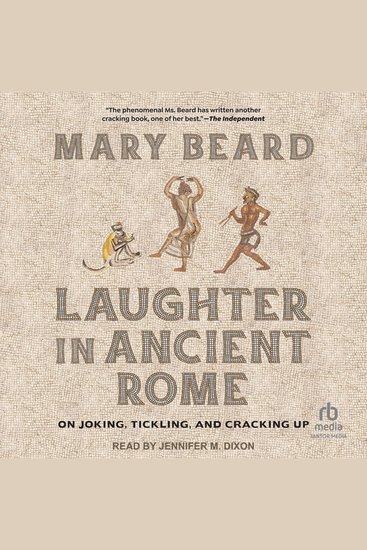
  • Laughter in Ancient Rome - on Joking Tickling and Cracking Up - cover

    Laughter in Ancient Rome - on...

    Mary Beard

    • 0
    • 0
    • 0
    What made the Romans laugh? Was ancient Rome a carnival, filled with practical jokes and hearty chuckles? Or was it a carefully regulated culture in which the uncontrollable excess of laughter was a force to fear—a world of wit, irony, and knowing smiles? How did Romans make sense of laughter? What role did it play in the world of the law courts, the imperial palace, or the spectacles of the arena? 


    Laughter in Ancient Rome explores one of the most intriguing, but also trickiest, of historical subjects. Drawing on a wide range of Roman writing—from essays on rhetoric to a surviving Roman joke book—Mary Beard tracks down the giggles, smirks, and guffaws of the ancient Romans themselves. From ancient "monkey business" to the role of a chuckle in a culture of tyranny, she explores Roman humor from the hilarious, to the momentous, to the surprising. But she also reflects on even bigger historical questions. What kind of history of laughter can we possibly tell? Can we ever really "get" the Romans' jokes?
    Mostra libro