Unisciti a noi in un viaggio nel mondo dei libri!
Aggiungi questo libro allo scaffale
Grey
Scrivi un nuovo commento Default profile 50px
Grey
Iscriviti per leggere l'intero libro o leggi le prime pagine gratuitamente!
All characters reduced
Where Have You Gone America? - A Challenge to Regain Our Great Nation - cover

Where Have You Gone America? - A Challenge to Regain Our Great Nation

Richard Lira

Casa editrice: Spines

  • 0
  • 0
  • 0

Sinossi

In an evocative journey through the heart of a nation at the crossroads of introspection and change, the author weaves a narrative that captures the essence of a country in search of identity. With poetic coalescence, the narrative imbues readers with a tapestry of personal testimonies, harrowing reflections, and a candid glance at the political landscape. Here lies an exposition wrapped in the threads of patriotic fervor, yearning for an era of statesmanship cloaked in the forgotten veil of valor. It is a clarion call to the citizens, urging them to rekindle the embers of a once-bright beacon. This book offers an urgent summons back to foundational pillars and echoes the timeless struggle for a land imbued with promise and guided by providence.
In an impassioned journey through the heart of a nation's present turmoil, the author explores the tapestry of American life, unraveling where its vibrant threads have frayed. With a critical eye on past leaders and a fervent belief in the nation's founding values, the narrative challenges us to rekindle the spirited legacy bequeathed by the forefathers. It is a clarion call to rise above the political fray, to mend what has been undone, and to steer the country back to its heralded status with resolute leadership and unwavering patriotism. This tome is a testament to the resiliency of the American dream, an invocation for restoration, and an ode to the undying love for a nation standing at the crossroads of its destiny.
Disponibile da: 13/11/2024.
Lunghezza di stampa: 166 pagine.

Altri libri che potrebbero interessarti

  • Policy Making - A Comprehensive Guide to Finding the Right Policies - cover

    Policy Making - A Comprehensive...

    Kevin Thorley

    • 0
    • 0
    • 0
    Policy making is a crucial aspect of governance that directly influences the well-being of citizens and the development of a nation. It is designed to promote the general welfare of the population, addressing issues such as health, education, and public safety to ensure that the needs of citizens are met. Economic policies play a significant role in managing the economy by promoting growth, reducing unemployment, and controlling inflation, which leads to a more stable and prosperous society. 
      
    Moreover, policy making is essential for reducing social inequalities by providing support to disadvantaged groups through measures related to housing, social security, and anti-discrimination. Environmental policies are also vital for the sustainable management of natural resources and the protection of ecosystems, addressing issues such as climate change, pollution, and conservation. In terms of national security, policies related to defense, immigration, and foreign relations are critical for maintaining security and protecting the country from external threats. 
      
    Policy making also encourages innovation and progress by funding research and development, supporting new technologies, and creating a favorable environment for entrepreneurship. It provides a framework for regulation and oversight, ensuring that industries operate fairly and safely, covering areas such as financial regulations, consumer protection laws, and labor standards. Additionally, the policy-making process allows for public participation and democratic governance, giving citizens a voice in how they are governed and ensuring their interests are represented.
    Mostra libro
  • Protests & Social Movements - Voices of Change and the Fight for Rights (4 in 1) - cover

    Protests & Social Movements -...

    Fredrich Hazelton

    • 0
    • 0
    • 0
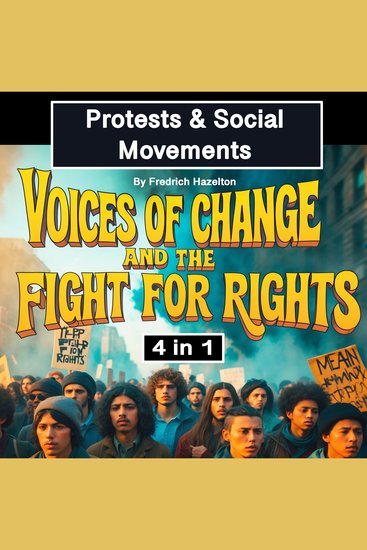
    This book contains these 4 titles: 
    - The Arab Spring: The Arab Springs stands as one of the most transformative events of the 21st century, reshaping the political and social landscapes of the Middle East and North Africa. Triggered in December 2010 by the self-immolation of Mohamed Bouazizi in Tunisia, the movement quickly spread across the region, igniting a wave of protests, uprisings, and revolutions.  
    - The Dakota Access Pipeline Protests: The Dakota Access Pipeline (DAPL) protests were a defining moment in the intersection of environmental advocacy and Indigenous rights. Proposed to transport crude oil from the Bakken oil fields in North Dakota to Illinois, the pipeline’s route crossed sacred lands and the Missouri River, threatening water supplies and cultural heritage. While its proponents touted economic benefits and energy security, the project drew fierce resistance from the Standing Rock Sioux Tribe and their allies, sparking a global movement.  
    - The Hong Kong Protests: Hong Kong, a former British colony handed back to China in 1997, has long been a symbol of political and economic success. Its unique status under the "One Country, Two Systems" framework promised a high degree of autonomy, preserving its freedoms and capitalist economy for 50 years after the handover. However, in recent years, this promise has been put to the test, as Beijing's increasing influence over the region has sparked widespread protests and growing unrest. 
    - The MeToo Movement: The movement’s resonance stems from its powerful message: sexual harassment and assault are widespread issues that affect women and marginalized groups across all sectors of society, from entertainment to politics, from workplaces to homes.
    Mostra libro
  • The Three Sources and Three Component Parts of Marxism - cover

    The Three Sources and Three...

    Vladimir Lenin

    • 0
    • 0
    • 0
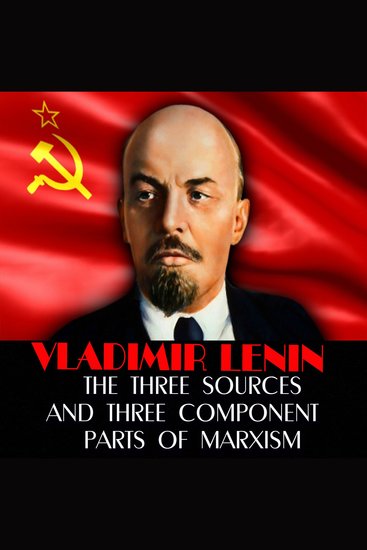
    The Three Sources and Three Component Parts of Marxism (Russian:  Три источника и три составных части марксизма ) is an article written by the Russian revolutionary Vladimir Lenin and published in 1913. The article was dedicated to the thirtieth anniversary of Karl Marx's death.
    Mostra libro
  • Can Deliberation Cure the Ills of Democracy? - cover

    Can Deliberation Cure the Ills...

    James S. Fishkin

    • 0
    • 0
    • 0
    In our modern world of propaganda, social media enclaves, misinformation, and manipulation, the connection between "the will of the people" and political action has broken down, political divisions are becoming increasingly intractable, and democracies are growing ever more ungovernable. Democracy is in crisis. 


    In Can Deliberation Cure the Ills of Democracy?, James S. Fishkin argues that deliberative democracy can have surprisingly positive effects on all of these problems and charts a unique path to fixing them with his method of Deliberative Polling. After decades of applying and perfecting the methods of deliberative democracy in countries all over the world, this book synthesizes the results of 150 applications and shows how the method can be applied to resolve many of democracy's seemingly intractable challenges. It can clarify the public will and depolarize our divisions. 


    Fishkin demonstrates that deliberative democracy is a practical solution if applied widely and lays out a vision for how to combine elections with deliberation to build a more deliberative society, one that cures our extreme partisanship and leads to substantive dialogues that foster mutual respect and more engaged voters. Deliberation provides a story of thoughtful empowerment and democratic reform, strengthening but not replacing our current institutions.
    Mostra libro
  • Cheka The: The History of the Soviet Agency that Eventually Became the KGB - cover

    Cheka The: The History of the...

    Editors Charles River

    • 0
    • 0
    • 0
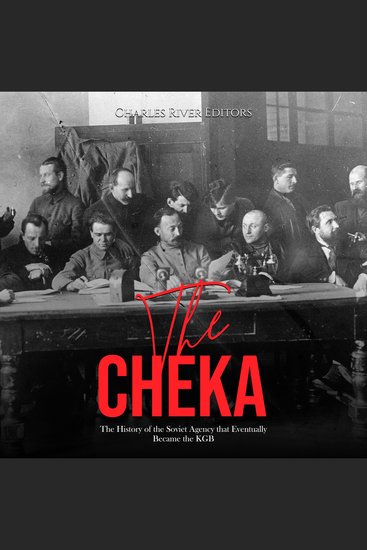
    The KGB is one of the most famous abbreviations of the 20th century, and it has become synonymous with the shadowy and often violent actions of the Soviet Union’s secret police and internal security agencies. In fact, it is often used to refer to the Soviet state security agencies throughout its history, from the inception of the inception of the Cheka (Extraordinary Commission) in 1917 to the official elimination of the KGB in 1992. Whether it’s associated with the Russian Civil War’s excesses, Stalin’s purges, and even Vladimir Putin, the KGB has long been viewed as the West’s biggest bogeyman during the second half of the 20th century. 
    	However, the KGB did not appear out of thin air. Naturally, the earliest Soviet leaders utilized intelligence agencies that collected information both abroad and within the Soviet Union, targeting foreign opponents and domestic opponents alike. Lenin did not imagine the scale of the opposition he would have to face after the revolution, and he quickly came to the conclusion that "a special system of organized violence" must be created to implement the dictatorship of the proletariat. 
    	Thus, from nearly the beginning of the Bolshevik takeover of Russia, Lenin and his successors established and relied on a particularly ruthless agency: the All-Russian Extraordinary Commission for Combating Counter-Revolution and Sabotage, later abbreviated to the Extraordinary Commission. Known colloquially as the Cheka (Extraordinary Commission), it soon became as feared by non-socialists as the Tsar’s secret police had ever been. The main means approved by the Council of People's Commissars on December 20, 1917, which the Cheka had to use to fight the counter-revolution, were "seizure of property, resettlement, deprivation of cards, publication of lists of enemies of the people, etc."
    Mostra libro
  • The Civic Bargain - How Democracy Survives - cover

    The Civic Bargain - How...

    Josiah Ober, Brook Manville

    • 0
    • 0
    • 0
    A powerful case for democracy and how it can adapt and survive—if we want it to 


    Is democracy in trouble, perhaps even dying? Pundits say so, and polls show that most Americans believe that their country's system of governance is being "tested" or is "under attack." But is the future of democracy necessarily so dire? In The Civic Bargain, Brook Manville and Josiah Ober push back against the prevailing pessimism about the fate of democracy around the world. Instead of an epitaph for democracy, they offer a guide for democratic renewal, calling on citizens to recommit to a "civic bargain" with one another to guarantee civic rights of freedom, equality, and dignity. That bargain also requires them to fulfill the duties of democratic citizenship: governing themselves with no "boss" except one another, embracing compromise, treating each other as civic friends, and investing in civic education for each rising generation. 


    Manville and Ober trace the long progression toward self-government through four key moments in democracy's history: Classical Athens, Republican Rome, Great Britain's constitutional monarchy, and America's founding. Comparing what worked and what failed in each case, they draw out lessons for how modern democracies can survive and thrive.
    Mostra libro