Unisciti a noi in un viaggio nel mondo dei libri!
Aggiungi questo libro allo scaffale
Grey
Scrivi un nuovo commento Default profile 50px
Grey
Iscriviti per leggere l'intero libro o leggi le prime pagine gratuitamente!
All characters reduced
Sacred Sounds - cover

Sacred Sounds

Rebecca Murphy

Traduttore A AI

Casa editrice: Publifye

  • 0
  • 0
  • 0

Sinossi

Sacred Sounds explores the profound connection between sound and spiritual experiences across diverse cultures. It examines how sounds, such as bells and chanting, serve as more than just auditory input, acting as conduits to the divine and tools for ritual transformation. One intriguing aspect is how architectural acoustics in sacred spaces are intentionally designed to enhance spiritual experiences through sound manipulation. The book highlights the unique cultural meanings imbued in sounds, emphasizing the importance of understanding these contexts to appreciate the diversity of spiritual expression.

 
The book progresses by first examining the historical and social contexts of sonic worship. Specific case studies, like the use of gongs in shamanic rituals, illustrate how sound creates sacred space. It delves into the psycho-spiritual impact, revealing how sounds affect human emotions and cognitive states, potentially facilitating altered states of consciousness. This approach challenges purely text-based interpretations of religion, focusing on the auditory sensory experience.

 
Sacred Sounds offers a holistic view by integrating insights from religious studies, musicology, and anthropology. It provides a valuable resource for those interested in the power of sound to shape human experience, offering practical implications for sound design and cross-cultural communication, while also addressing ethical considerations surrounding the use of sound in religious settings.
Disponibile da: 06/03/2025.
Lunghezza di stampa: 63 pagine.
Altri libri che potrebbero interessarti

  • The Qin Dynasty - Unifying China - cover

    The Qin Dynasty - Unifying China

    Jun Liu

    • 0
    • 0
    • 0
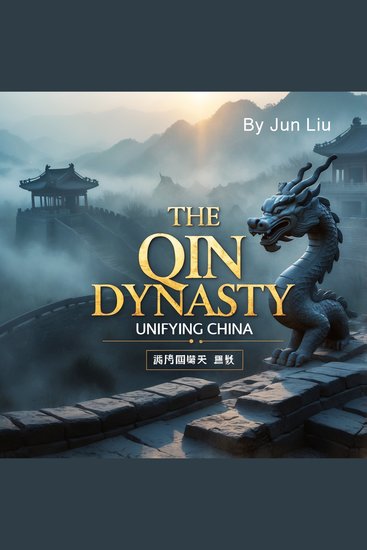
    The Qin state emerged as one of the most formidable powers during the Warring States Period, a time of intense conflict and political fragmentation in ancient China. Situated in the western frontier, Qin was once considered a relatively backward state compared to its eastern rivals. However, through strategic reforms, military innovations, and a firm commitment to Legalist principles, Qin transformed itself into the dominant force that would eventually unify China. 
    One of the key factors in Qin’s rise was the implementation of Legalist policies under the statesman Shang Yang. In the fourth century BCE, Shang Yang introduced a series of reforms that fundamentally reshaped Qin society. These policies emphasized strict laws, centralized authority, and merit-based advancements. Land ownership was restructured to allow farmers more direct control over their land, encouraging agricultural productivity and economic growth. At the same time, a rigid legal code was enforced, ensuring discipline among the population while diminishing the power of aristocratic families. By weakening the influence of hereditary nobles and promoting individuals based on their abilities, Shang Yang’s reforms created a more efficient and loyal administrative system that strengthened Qin’s central government. 
    The military advancements of Qin also played a crucial role in its ascendance. Unlike other states that relied heavily on noble warriors, Qin adopted a professional army system that allowed for greater discipline and efficiency. The state implemented mass conscription, ensuring a steady supply of soldiers trained under strict military codes. Advanced weaponry, including iron swords and crossbows, gave Qin troops a significant advantage on the battlefield. Additionally, the construction of an extensive road network allowed for rapid troop movements, enabling Qin forces to respond quickly to threats and expand their territorial control.
    Mostra libro
  • Last Great Indian Kingdoms - Glory Before the Fall (3 in 1) - cover

    Last Great Indian Kingdoms -...

    Rolf Hedger

    • 0
    • 0
    • 0
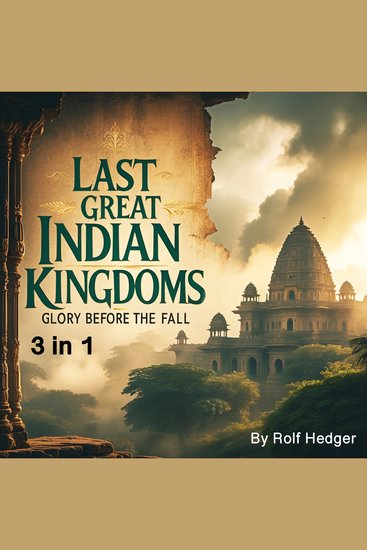
    As foreign invasions and internal struggles reshaped India’s political landscape, a few powerful kingdoms stood as the last great defenders of Indian sovereignty before their eventual decline.  
    The Pala Empire, the Vijayanagara Empire, and the Chola Empire were among the most influential dynasties, each leaving a lasting impact on Indian culture, politics, and military strategy.  
    The Pala Empire, known for its strong Buddhist patronage, was one of the last major bastions of Buddhism in India, promoting education through institutions like Nalanda. The Chola Empire, a dominant force in South India, built a vast maritime network, expanded its influence to Southeast Asia, and created architectural marvels such as the Brihadeeswarar Temple.  
    The Vijayanagara Empire, founded as a Hindu stronghold against Islamic expansion, became a beacon of art, culture, and military resilience, with its capital, Hampi, standing as a testament to its grandeur.  
    Despite their military strength and cultural achievements, these kingdoms eventually fell to foreign invasions and internal strife, marking the end of an era in Indian history.
    Mostra libro
  • Textile Creativity Through Nature - Felt Texture and Stitch - cover

    Textile Creativity Through...

    Jeanette Appleton

    • 0
    • 1
    • 0
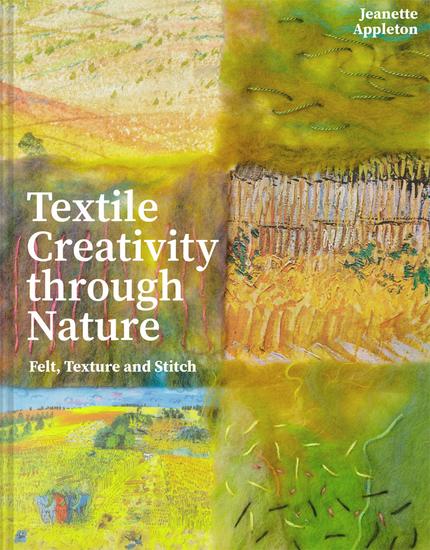
    New ideas for working with nature to nurture creativity in felted and embroidered textile art.
    Immerse yourself in nature and rewild your creative practice with inspiration from textile artist Jeanette Appleton. With a focus on the versatile medium of felt, she takes readers through a series of ideas for working with nature to boost creativity, inspire, and make us more sustainable as artists. The book covers:
    • How to capture the nuances of nature through creating exciting felt surfaces – lines of sea, frosted puddles, hedge and grass – and how to translate them into subtleties of texture and stitch.
    • Transforming recycled cloth by bonding memories, mixed-media and found objects into your work.
    • Cutting and repairing techniques: making cuts and slits in the layers of fabric to reveal the secret strata of nature beneath, echoing the planet's fragility.
    • How to make the best use of sketchbooks, maps and mapping to record inspiration from time spent in nature.
    • A variety of strategies for overcoming artist's block, from revisiting past diaries and sketchbooks to interacting differently with your local environment. 
    Throughout, the author constantly challenges the felt process, discovering a new creative working practice through connecting with the outside world.
    Richly illustrated with exciting examples of the author's beautiful and reflective work, this inspirational and practical guide will appeal to textile and felt artists of all levels.
    Mostra libro
  • Moonlight Whispers - Gentle Tales to Soothe Little Souls to Sleep - cover

    Moonlight Whispers - Gentle...

    Eliza Thorne

    • 0
    • 0
    • 0
    Moonlight Whispers: Gentle Tales to Soothe Little Souls to Sleep is a heartwarming collection of bedtime stories crafted to ease young minds into peaceful slumber. Each tale is a soft embrace of imagination, guiding little listeners through dreamy adventures filled with kindness, comfort, and wonder. With soothing language and tender themes, these stories are perfect for winding down after a busy day — nurturing calm, courage, and a sense of safety under the quiet glow of the moon. Ideal for bedtime routines, this book is a gentle companion for children and caregivers alike, turning each night into a magical moment of connection and rest.
    Mostra libro
  • Sui Dynasty - Reunification and the Grand Canal Legacy - cover

    Sui Dynasty - Reunification and...

    Rolf Hedger

    • 0
    • 0
    • 0
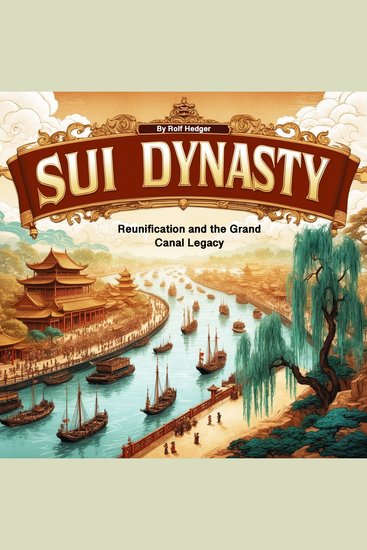
    The period before the rise of the Sui Dynasty was marked by fragmentation and instability, as China remained divided between the Northern and Southern Dynasties. This era, which lasted from the late 4th century to the late 6th century, was characterized by constant warfare, shifting alliances, and a deep cultural divide between the north and south. The fall of this system set the stage for the reunification of China under the Sui Dynasty. 
    The north was ruled by a succession of non-Han Chinese states, often founded by nomadic groups that had migrated into China during the decline of the Western Jin Dynasty. The Northern Wei, established by the Tuoba clan of the Xianbei people, was the most powerful of these states. Over time, the rulers of the Northern Wei adopted Chinese customs, Confucian governance, and Buddhism, which helped stabilize their rule. However, internal struggles, court intrigue, and opposition from powerful aristocratic families led to the dynasty’s division into the Eastern and Western Wei, eventually giving rise to the Northern Qi and Northern Zhou dynasties. 
    In contrast, the Southern Dynasties were ruled by Han Chinese elites who maintained a more traditional Chinese way of life. The Eastern Jin, followed by the Liu Song, Southern Qi, Liang, and Chen dynasties, governed the southern regions, centered around the lower Yangtze River. These dynasties often suffered from weak central control, as powerful noble families exerted significant influence over the government. While the south was culturally rich and economically prosperous, political instability and frequent coups weakened its ability to resist northern invasions.
    Mostra libro
  • Everything She Touched - The Life of Ruth Asawa - cover

    Everything She Touched - The...

    Marilyn Chase

    • 0
    • 0
    • 0
    This is the story of a woman who wielded imagination and hope in the face of intolerance and who transformed everything she touched into art. In this compelling biography, author Marilyn Chase brings Ruth Asawa's story to vivid life. She draws on Asawa's extensive archives and weaves together many voices to offer a complex and fascinating portrait of the artist. 


    Born in California in 1926, Ruth Asawa grew from a farmer's daughter to a celebrated sculptor. She survived adolescence in the World War II Japanese-American internment camps and attended the groundbreaking art school at Black Mountain College. Asawa then went on to develop her signature hanging-wire sculptures, create iconic urban installations, revolutionize arts education in her adopted hometown of San Francisco, fight through lupus, and defy convention to nurture a multiracial family. 


    ● Documents Asawa's transformative touch—most notably by turning wire—the material of the internment camp fences—into sculptures 


    ● Author Marilyn Chase mined Asawa's letters, diaries, sketches, and photos and conducted interviews with those who knew her to tell this inspiring story.
    Mostra libro