Unisciti a noi in un viaggio nel mondo dei libri!
Aggiungi questo libro allo scaffale
Grey
Scrivi un nuovo commento Default profile 50px
Grey
Iscriviti per leggere l'intero libro o leggi le prime pagine gratuitamente!
All characters reduced
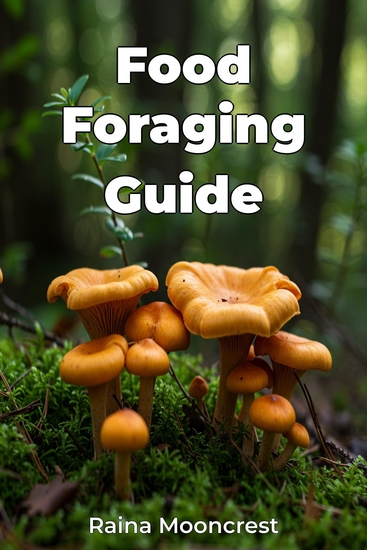
Food Foraging Guide - cover

Food Foraging Guide

Raina Mooncrest

Traduttore A AI

Casa editrice: Publifye

  • 0
  • 0
  • 0

Sinossi

Food Foraging Guide offers a detailed exploration into the world of edible plants and insects, emphasizing sustainable practices rooted in science and respect for nature. This guide addresses the growing interest in self-reliance and environmental stewardship by providing accessible knowledge on how to safely identify, harvest, and utilize resources found in your local environment. Interestingly, many edible insects, like crickets, offer complete proteins comparable to beef with a significantly lower environmental impact, and some common "weeds" are more nutritious than many cultivated vegetables. 

 
The book uniquely blends scientific rigor with traditional ecological knowledge, guiding readers through botanical and entomological identification using high-resolution photographs and detailed descriptions. It progresses from foraging ethics and legal considerations to plant and insect identification, organized geographically, before delving into harvesting techniques, processing methods, and recipes. This approach ensures readers not only learn what to forage but also how to do so responsibly, promoting biodiversity and discouraging destructive practices.
Disponibile da: 19/02/2025.
Lunghezza di stampa: 134 pagine.

Altri libri che potrebbero interessarti

  • A Guide to Wild Food Foraging - Proper Techniques for Finding and Preparing Nature's Flavorful Edibles - cover

    A Guide to Wild Food Foraging -...

    David Squire

    • 0
    • 1
    • 0
    The benefits of foraging for food are far and wide. Whether you're looking for ways to become more self-sufficient, save money, or develop healthier habits, A Guide to Wild Food Foraging is an extensive on-the-go directory of more than 100 profiles for wild plants, herbs, fruits, nuts, mushrooms, seaweeds, and shellfish. Each profile provides tips on identification, seasonality, location, what and when to harvest, and how to prepare and use them in delicious recipes. Most of these foods are within reach -- however, you've got to know what you're looking for and where to go and when. This compact field guide has all the information you need alongside new, high-quality photographs and illustrations to help you identify a wholesome and natural food store, all for free. Forage fresh, local foods so you can eat better, save money, learn a useful survival skill, and have fun in the process!
    Mostra libro
  • The Control of Nature - cover

    The Control of Nature

    John McPhee

    • 0
    • 0
    • 0
    The Control of Nature is John McPhee's bestselling account of places where people are locked in combat with nature. Taking us deep into these contested territories, McPhee details the strategies and tactics through which people attempt to control nature. Most striking is his depiction of the main contestants: nature in complex and awesome guises, and those attempting to wrest control from her—stubborn, sometimes foolhardy, more often ingenious, and always arresting characters.
    Mostra libro
  • How Light Makes Life - The Hidden Wonders and World-Saving Powers of Photosynthesis - cover

    How Light Makes Life - The...

    Raffael Jovine

    • 0
    • 0
    • 0
    A revelatory journey into the beautifully intricate conversion of light into life, key to every living thing's survival—and our planet's future 


    We think we know photosynthesis: Plants convert of sunlight, CO2, and water into energy and, ultimately, the food we eat and air we breathe. But Raffael Jovine shows how this incredible process goes beyond what we learned in grade school. First, it's not only about plants: Corals partner with photosynthetic organisms to create the most productive habitat on Earth, slugs eat chloroplasts to create a photosynthesis-based camouflage, hornets use photosynthesis for a very unconventional form of air conditioning—and much more! 


    Further, photosynthesis can help save the world. Jovine's groundbreaking blueprint for the future harnesses photosynthesis to repair ecosystems, create jobs, and grow sustainable food. This book will help you to see the many surprising ways we can't live without this miracle of light—through the photosynthetic pigments in your own eyes!
    Mostra libro
  • It’s Not What You’re Thinking - Precision Problem Solving with No Hypothesis - cover

    It’s Not What You’re Thinking -...

    Rick van Pelt

    • 0
    • 0
    • 0
    Healthcare is in crisis—escalating costs, persistent safety failures, and rampant burnout are pushing the system to its breaking point. With It’s Not What You’re Thinking, Dr. Rick van Pelt offers a bold, innovative approach to address these systemic issues.
    Mostra libro
  • Machine Learning with Python Guide for Beginners - A Beginner's Roadmap - cover

    Machine Learning with Python...

    Robert Francis

    • 0
    • 0
    • 0
    Dive into the fascinating realm of Machine Learning with 'Machine Learning with Python Guide for Beginners.' This comprehensive guide is crafted for individuals eager to embark on a journey into the dynamic field of machine learning using the versatile programming language, Python. 
    'Machine Learning with Python Guide for Beginners' is your passport to mastering the art and science of machine learning with Python. Unlock the potential of data and algorithms, and empower yourself to make a lasting impact in the world of technology. 
      
     
    Mostra libro
  • 10 Ways the World Could End - From Natural Disasters to Man-Made Catastrophes - cover

    10 Ways the World Could End -...

    John Harpoon

    • 0
    • 0
    • 0
    Our planet is an extraordinary place, teeming with life and natural wonders. Yet, beneath the beauty and stability of our world lies an inherent fragility that we must never overlook. From the forces of nature to the actions of humanity, numerous threats exist that could drastically alter the course of life on Earth. These dangers range from natural disasters such as volcanic eruptions and asteroid impacts to man-made catastrophes like nuclear war and the consequences of climate change. While these events may seem distant or improbable, they are very real and have the potential to affect us all in profound ways. 
    To fully grasp the magnitude of these threats, it is crucial to understand how they arise and their potential consequences. Many of the dangers that could lead to the end of the world are rooted in forces that have shaped our planet for millions of years. However, modern society faces new, unique risks that previous generations never imagined. Natural disasters, though unpredictable, are part of the Earth's natural cycles, while human actions—whether through pollution, warfare, or technological mismanagement—have introduced entirely new categories of risk. As technology advances and our global interconnectedness grows, the potential for widespread disaster becomes more complex and difficult to anticipate. 
    When examining the ways the world could end, it is essential to distinguish between natural and man-made catastrophes. Natural disasters, like earthquakes, tsunamis, and pandemics, have been occurring throughout Earth's history, long before humans arrived on the scene. These events have shaped ecosystems, driven evolutionary processes, and, at times, caused mass extinctions. On the other hand, man-made catastrophes, such as nuclear warfare or the unchecked expansion of artificial intelligence, are unique to modern civilization.
    Mostra libro