Unisciti a noi in un viaggio nel mondo dei libri!
Aggiungi questo libro allo scaffale
Grey
Scrivi un nuovo commento Default profile 50px
Grey
Iscriviti per leggere l'intero libro o leggi le prime pagine gratuitamente!
All characters reduced
Benedetto Croce: An Introduction to His Philosophy - cover

Benedetto Croce: An Introduction to His Philosophy

Raffaello Piccoli

Casa editrice: e-artnow

  • 0
  • 0
  • 0

Sinossi

Benedetto Croce, an Introduction to His Philosophy is a book by Raffaello Piccoli. It serves to acquaint the reader to the thinking of Coce, who was an Italian idealist philosopher, historian and politician.
Disponibile da: 30/11/2023.
Lunghezza di stampa: 206 pagine.

Altri libri che potrebbero interessarti

  • Alien Giants - cover

    Alien Giants

    Raphael Terra

    • 0
    • 0
    • 0
    Across the globe there are tales of giants. Ancient, wise and enigmatic. What were they? Are they humans? Men of renown from forgotten times? Are they some kind of genetic ancestor to humanity? Or is there another truth? 
     
    The tales tell us they fell to Earth with special knowledge and held dominion over mankind. They were different to humans, lived for thousands of years and had a special knowledge of the heavens. They can be found in all cultures and religions. These special creatures were aliens from another world who came in ancient times. They genetically manipulated mankind and fought great battles. This is their story.
    Mostra libro
  • Ancient American Civilizations - The Original Aztec Mayan and Inca Societies Explained - cover

    Ancient American Civilizations -...

    Kelly Mass

    • 0
    • 0
    • 0
    This is a combo in which you will find three different topics, namely: 
      
    Topic 1: The Mayans have lived in Central America for centuries, but many people are confused as to when and where, and what they did. In this guide, you’ll find answers to all your basic questions about the Maya people: 
      
    Their religion, human sacrifice, habits, wars, conflicts, culture, art, the roles of women in their society, merchants, science, the collapse of their empire, the attack of the Spanish conquistadores, and the main temple ruins that you can still visit as tourists today. 
      
      
    Topic 2: Many accounts of the Aztecs are about brutal, raw civilizations that were constantly at war in the jungle or were offering human lives to the sun god. And even though, there is truth in all of this, many interesting facts about the Aztec civilization (or lack thereof) have been forgotten or put in the background. 
      
    Today, you can learn more about the Aztecs and the issues they were confronted with. You will see that some parts of this society were indeed harsh and merciless, but that others were sophisticated, artistic, practical, and generous. The two seem to contradict each other, which is why it’s so intriguing to study them. 
      
      
    Topic 3: The Inca people were known for their gold and chocolate. Other aspects may have been revealed in movies, such as the human sacrifice, the ball games, the slavery, and the extensive road network they built. 
      
    The Incas were a controversial yet intricate people. They spread their empire all across Peru and some surrounding countries, they had their conflicts, their prisoners, their artwork, their family structure, and much more. 
     
    Mostra libro

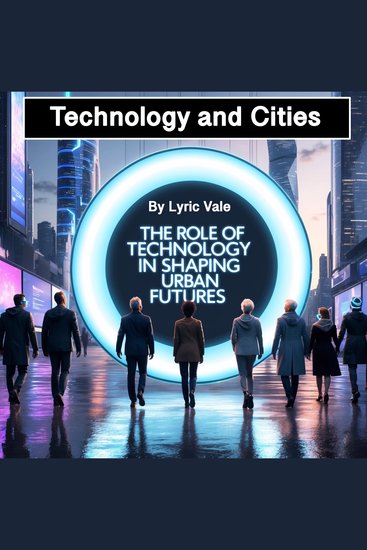
  • Technology and Cities - The Role of Technology in Shaping Urban Futures - cover

    Technology and Cities - The Role...

    Lyric Vale

    • 0
    • 0
    • 0
    In recent decades, technology has become a defining force in the development and transformation of cities. From the industrial revolution to the rise of the internet, technological advancements have continually reshaped urban life, making cities hubs of innovation, connectivity, and economic growth. Today, as cities face growing populations, climate change, and resource constraints, technology plays a central role in addressing these challenges while also opening new possibilities for urban living. The integration of digital technologies, automation, and data analytics is driving what we now recognize as the emergence of "smart cities," where every aspect of urban life is enhanced by technology. These advancements not only improve efficiency but also offer the potential to foster more sustainable, livable, and equitable urban environments. 
    The influence of technology in cities extends across various domains, including infrastructure, transportation, healthcare, and governance. In terms of urban infrastructure, cities are adopting digital systems for managing everything from electricity grids to water distribution, allowing for more responsive and efficient service delivery. Transportation has also undergone a transformation with the introduction of autonomous vehicles, electric cars, and new mobility services like ride-sharing, reshaping how people move within cities and reducing the environmental impact of urban travel. Similarly, the integration of sensors and Internet of Things (IoT) devices enables real-time data collection that informs city management, improving everything from traffic flow to waste management.
    Mostra libro
  • Bridgebuilders - How Government Can Transcend Boundaries to Solve Big Problems - cover

    Bridgebuilders - How Government...

    Donald F. Kettl, William D. Eggers

    • 0
    • 0
    • 0
    Our government is in crisis, mired in bureaucracy and often unable to fix tough problems. This book provides an essential new model for transforming the system and getting things done. 


    COVID. Climate change. Refugee resettlement. Global supply chains. We're facing a new generation of complex problems, stretching across the public and private sectors. Historically we've looked to government for big solutions, but the reality is, the government we have now is a poor match for the problems we face. 


    We need a fresh, new approach. As William D. Eggers and Donald F. Kettl show in this indispensable book, we need a government of bridgebuilders—public managers and leaders who collaborate with partners, both inside and outside government, to get the job done. They manage horizontally instead of vertically, they see their role as connectors, and they identify which players have the assets needed to solve the problems at hand. 


    Each chapter examines one of the ten core principles of bridgebuilding and features practical tips and dynamic cases of how effective leaders have put each principle to work. Also included is a special section on creating a hundred-day bridgebuilding plan.
    Mostra libro
  • The Silver Haired Boss & The Sexy Employee - cover

    The Silver Haired Boss & The...

    Rod Mandelli

    • 0
    • 0
    • 0
    Despite the temperature dropping outside, a miserly businessman refuses to let Bob, his underpaid and under-appreciated employee, turn up the heat in the drafty office. The old cheapskate points out that there are other ways for Bob to keep warm and keep his job at the same time. 
    Can Bob refuse his boss's kinky sexual advances considering he has an unemployed husband at home as well as the out of work college dropout they've recently taken in nick-named Tiny Twink? 
    Find out by listening to A Modern Gay Sex Christmas Carol #1 - you'll have a dickens of a time!
    Mostra libro
  • A Country Called Prison - Mass Incarceration and the Making of a New Nation Second Edition - cover

    A Country Called Prison - Mass...

    Mary D. Looman, John D. Carl

    • 0
    • 0
    • 0
    In the first edition of A Country Called Prison, Mary Looman and John Carl presented persuasive data calling for downsizing of America's prisons. Their novel approach continues in their second edition, shifting the beliefs many people have about prisons and their role in the American society. Since the original edition was published, the landscape of incarceration has been changing. 


    In their second edition, Carl and Looman discuss the significant world events, such as the COVID epidemic, that impacted the American society in the past decade, which lead to an overall twenty percent reduction in prison populations across the board. The second edition includes a new chapter covering the history of prisons that clearly establishes the fact that prisons have always been about making money and less about rehabilitating offenders. They also introduce the new era of decarceration and desistance, encouraging courts to defer sentences and keep minor offenders at home with their families and in their communities while they work, attend education classes, and receive mental health treatment. Once again Carl and Looman end their book with a rational and daring proposal—Marshall Plan 2024—that envisions a way to bring the criminal justice system into the twenty-first century focusing on social equity and humane compassion for those who want to emigrate out.
    Mostra libro