Unisciti a noi in un viaggio nel mondo dei libri!
Aggiungi questo libro allo scaffale
Grey
Scrivi un nuovo commento Default profile 50px
Grey
Iscriviti per leggere l'intero libro o leggi le prime pagine gratuitamente!
All characters reduced
The Art of Furniture Design - A Journey Through Time - cover

The Art of Furniture Design - A Journey Through Time

Pasquale De Marco

Casa editrice: Publishdrive

  • 0
  • 0
  • 0

Sinossi

From the ancient Egyptians to the present day, furniture has been an integral part of human life, serving both functional and aesthetic purposes. This comprehensive guide to the art of furniture design takes readers on a journey through time, exploring the evolution of furniture from humble beginnings to its status as an art form.

With stunning visuals and thought-provoking insights, this book delves into the history of furniture design, from ancient civilizations to the present day. It examines the different materials used in furniture making, from wood and metal to stone and glass, and explores the various elements of furniture design, such as form, function, structure, ornamentation, and color.

The book also introduces some of the most influential furniture designers throughout history, including Thomas Chippendale, George Hepplewhite, Thomas Sheraton, Charles Rennie Mackintosh, and Frank Lloyd Wright. It examines the different styles of furniture design, from traditional to modern to contemporary, and explores the process of furniture design, from inspiration and sketching to prototyping and manufacturing.

Additionally, the book discusses the role of furniture in art and culture, as well as the future of furniture design in an ever-changing world. With its in-depth chapters, stunning visuals, and thought-provoking insights, this book is a must-have for anyone interested in the art of furniture design.

Whether you are a designer, a historian, or simply someone who appreciates beautiful objects, this book is sure to fascinate and inspire you. It is a valuable resource for students, designers, and anyone with an appreciation for the beauty and functionality of furniture.


If you like this book, write a review!
Disponibile da: 02/06/2025.
Lunghezza di stampa: 163 pagine.

Altri libri che potrebbero interessarti

  • BasketBall To Dentist - cover

    BasketBall To Dentist

    Robert carpenter, Charlie Spell

    • 0
    • 0
    • 0
    The life journey of Dr. Spell from taking up basketball as a hobby to following his passion to become a dentist. Dr. spell has overcome every life obstacle with ease. We've got a lot to learn from his journey. His journey teaches us everything that is possible in life if we are willing to do everything that it takes.
    Mostra libro
  • Bird Watching - Handbook with Tips and Techniques for Beginners - cover

    Bird Watching - Handbook with...

    Sophie Henner

    • 0
    • 0
    • 0
    Bird watching, also known as birding, is a recreational activity where individuals observe and study birds in their natural habitats. It can range from casual observation in one's backyard to more serious pursuits involving travel to specific locations to see rare or interesting bird species. Bird watchers often use binoculars, spotting scopes, and field guides to identify different species and learn about their behaviors, calls, and habitats. Bird watching can also contribute to citizen science by helping track bird populations and migrations. 
    Bird watching offers a range of benefits. Engaging in this activity can enhance mental well-being by providing a sense of tranquility and reducing stress through time spent in nature. It encourages physical activity, as it often involves walking or hiking to various locations. Bird watching can also foster a deeper connection to the environment and promote conservation awareness. It offers opportunities for learning and education, as enthusiasts gain knowledge about different bird species, their behaviors, and ecosystems. Additionally, it can be a social activity, creating opportunities for shared experiences and community building among those with similar interests.
    Mostra libro
  • Mughal Empire - The Taj Mahal Legacy - cover

    Mughal Empire - The Taj Mahal...

    Rolf Hedger

    • 0
    • 0
    • 0
    The Mughal Empire emerged as one of the most powerful and influential dynasties in Indian history, leaving a lasting impact on culture, architecture, and governance. Its foundation was laid by Babur, a descendant of both Timur and Genghis Khan, who established Mughal rule in the early 16th century. Babur's military prowess and strategic vision enabled him to defeat the Delhi Sultanate in the First Battle of Panipat in 1526. This victory marked the beginning of Mughal dominance in the Indian subcontinent. However, Babur’s reign was short-lived, and it was his grandson, Akbar, who truly solidified the empire’s foundation. 
    Akbar ascended the throne at a young age and quickly proved himself to be an exceptional leader. His reign, which lasted from 1556 to 1605, was marked by territorial expansion, administrative reforms, and a commitment to cultural and religious harmony. Unlike previous rulers, Akbar recognized the diversity of India and sought to integrate different communities into his empire. He abolished the jizya tax on non-Muslims, promoted interfaith dialogue, and appointed talented individuals from various backgrounds to key positions in his administration. His policy of religious tolerance and inclusive governance earned him the loyalty of many, contributing to the stability and prosperity of the empire. 
    One of Akbar’s most remarkable achievements was the establishment of an efficient administrative system. He divided his empire into provinces, each governed by appointed officials who reported directly to the central authority. This system ensured effective governance and facilitated tax collection, trade, and law enforcement. Additionally, Akbar introduced a standardized revenue system that helped regulate the economy and promote agricultural growth. His emphasis on merit-based appointments created a well-organized bureaucracy that endured long after his reign.
    Mostra libro
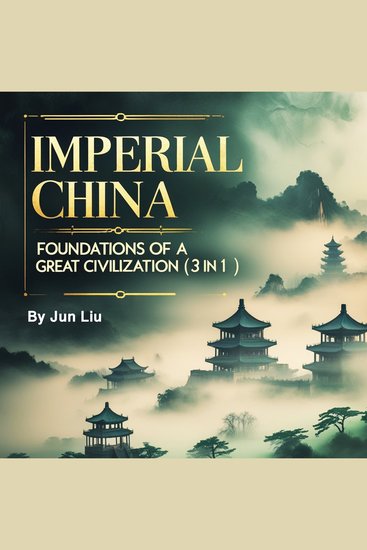
  • Imperial China - Foundations of a Great Civilization (3 in 1) - cover

    Imperial China - Foundations of...

    Jun Liu

    • 0
    • 0
    • 0
    This book offers an in-depth exploration of three of the most influential dynasties in Chinese history: the Han, Qin, and Tang Dynasties. This book delves into the powerful legacies of these dynasties, each of which shaped China’s cultural, political, and social development in profound ways. The Qin Dynasty, under the leadership of Emperor Qin Shi Huang, is known for unifying China and initiating monumental infrastructure projects such as the Great Wall and the Terracotta Army. The Han Dynasty, a golden age in Chinese history, expanded China’s borders, solidified Confucian ideals, and fostered the flourishing of trade along the Silk Road. Finally, the Tang Dynasty, often regarded as the most prosperous period in China’s imperial history, saw significant advancements in arts, culture, and governance. 
    In the Qin Dynasty, China was unified for the first time under a single ruler, marking the beginning of imperial rule. Emperor Qin’s centralization of power, creation of a standardized legal system, and the construction of defensive walls set the stage for the future of Chinese civilization. Although short-lived, the Qin Dynasty’s impact on Chinese governance and infrastructure would echo through the centuries.  
    Meanwhile, the Han Dynasty succeeded the Qin, ushering in an era of stability, economic prosperity, and cultural development. The Han established a strong bureaucracy and military, advanced in science and technology, and integrated Confucianism as the official philosophy, influencing Chinese society for over two millennia. 
    The Tang Dynasty, which followed the collapse of the Sui Dynasty, is celebrated for its cultural achievements, including the flourishing of poetry, painting, and literature. The Tang Empire expanded China's territory to its greatest extent, and its cosmopolitan capital, Chang'an, became a vibrant hub for international trade and cultural exchange.
    Mostra libro
  • Songs of Nashville - The Real Stories Behind Country Music’s Greatest Hits - cover

    Songs of Nashville - The Real...

    Jake Brown

    • 0
    • 0
    • 0
    Taking readers inside the songwriting mecca of Nashville’s Music Row for the real stories behind country’s most influential songs—and featuring exclusive interviews with songwriters like Vince Gill, Clint Black, Buddy Cannon, Jelly Roll, and Taylor Swift co-writer Liz Rose—Songs of Nashville gives you a front-row seat to the lives and work of the artists who’ve shaped country music. 
      
    Songs of Nashville is the ultimate insider’s guide to the stories behind country music’s biggest and most unexpected hits over the past fifty years. For the first time, go behind the scenes with the songwriters who crafted the anthems of your life—discover the inspiration, heartbreak, and triumph behind the lyrics, melodies, and more that defined generations. From legends like Willie Nelson and Dolly Parton to superstars like Luke Combs and Carrie Underwood, this intimate musical exploration reveals the untold stories of the songs you know and love. 
      
    More than a celebration of hit songs; Songs of Nashville is a tribute to the brilliant minds who wrote them. With in-depth interviews, readers will read firsthand accounts of how these songs were born, from spontaneous moments of inspiration to the magic of collaboration on Music Row. 
      
    Whether you’re a fan of Johnny Cash, Miranda Lambert, or Jelly Roll, or an aspiring songwriter yourself, Songs of Nashville is a must-read to discover the secrets of the creative process and the enduring power of storytelling that makes country music timeless. Get ready to fall in love with your favorite songs all over again.
    Mostra libro
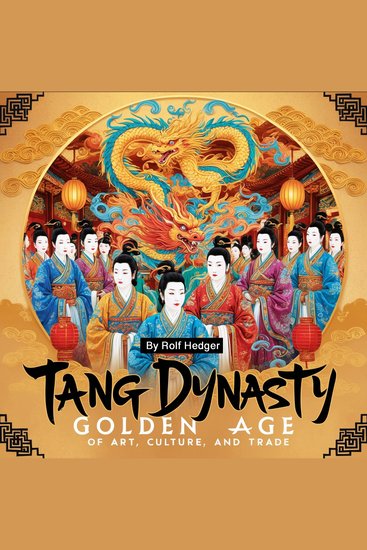
  • Tang Dynasty - Golden Age of Art Culture and Trade - cover

    Tang Dynasty - Golden Age of Art...

    Rolf Hedger

    • 0
    • 0
    • 0
    The Tang Dynasty, one of the most prosperous and influential periods in Chinese history, lasted from 618 to 907 CE. Often referred to as a golden age, it was marked by significant cultural, political, and economic developments that shaped the trajectory of Chinese civilization. The dynasty succeeded the Sui Dynasty, which had fallen due to internal strife and excessive military campaigns, and it laid the foundation for many of the political and cultural features that would characterize Chinese history for centuries. The Tang Dynasty's legacy is still visible in the arts, governance, and cultural exchanges that continue to influence China today. 
    The founding of the Tang Dynasty is attributed to Li Yuan, who became Emperor Gaozu after a successful rebellion against the Sui Dynasty in 618. His reign was followed by that of his son, Emperor Taizong, one of the most renowned rulers in Chinese history. Under their leadership, the Tang Empire quickly expanded its territories, establishing control over much of present-day China and extending its influence across Central Asia, Korea, and parts of Southeast Asia. This expansion was not only military but also cultural, as the Tang Dynasty became a melting pot of diverse peoples, cultures, and ideas. 
    Politically, the Tang Dynasty introduced several innovations that helped maintain its stability and success. It perfected the imperial examination system, which allowed for a more meritocratic approach to selecting government officials, and it expanded the civil service, ensuring that a large and efficient bureaucracy could handle the empire’s vast territory. The legal system, known as the Tang Code, was influential in shaping the governance of China for centuries and served as a model for other East Asian countries.
    Mostra libro