Unisciti a noi in un viaggio nel mondo dei libri!
Aggiungi questo libro allo scaffale
Grey
Scrivi un nuovo commento Default profile 50px
Grey
Iscriviti per leggere l'intero libro o leggi le prime pagine gratuitamente!
All characters reduced
Sterile Land - cover

Sterile Land

Pasquale De Marco

Casa editrice: Publishdrive

  • 0
  • 0
  • 0

Sinossi

In the heart of the Texan panhandle, Amarillo stands as a city entwined with the chilling reality of the atomic age. Pantex, a sprawling facility nestled within its embrace, became the final assembly plant for America's nuclear arsenal.

This book delves into the depths of Amarillo's nuclear legacy, uncovering the intricate dance between a city and its atomic heart. Through the eyes of its resilient inhabitants, we witness the complexities of living in the shadow of the bomb. The narratives unfold the triumphs, the tribulations, and the quiet heroism of those who call this nuclear city home.

Amarillo, a microcosm of America's nuclear journey, invites us to question our collective choices, our fears, and our aspirations. It challenges us to confront the paradoxical nature of our existence, where the promise of progress and the specter of destruction intertwine.

Beyond the confines of the Panhandle, Amarillo's story reverberates across the nation, echoing in the halls of power and igniting debates about nuclear policy, disarmament, and the moral implications of our atomic endeavors.

This book is a testament to the resilience of the human spirit, our capacity for both great destruction and profound compassion. It is a call to action, urging us to confront the nuclear legacy we have inherited and work towards a future where the sun shines brighter than the mushroom cloud.

Within these pages, you'll find:

* A historical exploration of Amarillo's nuclear legacy, from its humble beginnings to its current status as a major nuclear hub.
* Intimate portraits of Amarillo's residents, revealing their personal stories of living in the shadow of the bomb.
* An examination of the environmental and health impacts of nuclear production in and around Amarillo.
* A critical analysis of the role of Pantex in the nuclear arms race and the ongoing debate over nuclear disarmament.
* A celebration of the resilience and activism of Amarillo's citizens, who have fought for peace and a nuclear-free future.


If you like this book, write a review!
Disponibile da: 02/06/2025.
Lunghezza di stampa: 162 pagine.
Altri libri che potrebbero interessarti

  • Understanding Freud - cover

    Understanding Freud

    Hervé Castanet

    • 0
    • 0
    • 0
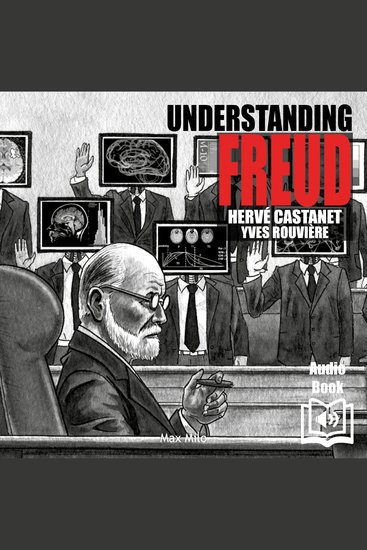
    Freud's name is inseparable from his discovery of the unconscious and the consequences he drew from it: psychoanalysis. 
    This book takes up the issues raised by Freud with force and clarity, and sheds light on the crucial points. It shows how psychoanalysis' assault on humanity's self-esteem is still relevant today. To understand Freud is to enter the stage of otherness: we are not our only brain, nor our only body, nor our only family... Our specificity is to be subjects who speak, subject to the language that desire liberates.
    Mostra libro
  • How to build a real estate investment empire - cover

    How to build a real estate...

    AHMED MUSA

    • 0
    • 0
    • 0
    Through a combination of real-world examples, actionable tips, and expert insights, this book equips readers with the tools to navigate the complexities of local markets and unlock their full potential. Discover how to transform localized knowledge into a powerful competitive advantage in your real estate journey.
    Mostra libro
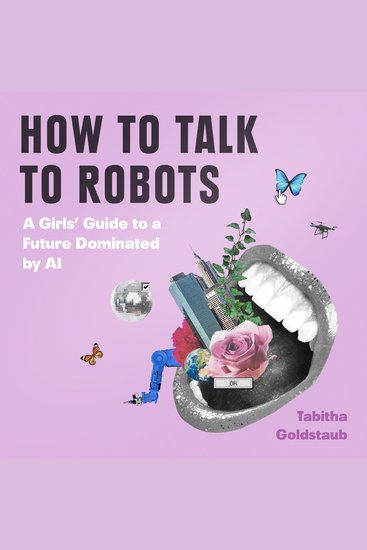
  • How To Talk To Robots: A Girls’ Guide To a Future Dominated by AI - cover

    How To Talk To Robots: A Girls’...

    Tabitha Goldstaub

    • 0
    • 0
    • 0
    ’…an essential and fascinating manual for every woman who wants to understand equality within an ever-changing, modern world.’ Scarlett Curtis 
    ‘…[this book] taught me more than any book has ever taught me about AI.’ Chris Evans, Virgin Radio 
    How To Talk To Robots, is your girls guide to Artificial Intelligence. Entrepreneur Tabitha Goldstaub welcomes you into the AI world with a warm embrace. She brilliantly breaks down the tech-bro barriers offering a straightforward introduction and makes clear the enormous benefits of understanding AI. 
    If your social feed defines your spending habits or you’ve downloaded the latest filter to see what you’ll look like when you are old or now connect with your doctor using an app, have applied for a job online or used your phone to arrive at work in record time, AI is playing a part in how you live, work and play. We live in an era where machines are taught to learn and act without human intervention and there are infinite possibilities to their applications. The risk of these technologies biasing against you is real, and this book will give you tools to navigate the current and future developments consciously. 
    As well as explaining the risks Tabitha lays out the awesome benefits AI can offer. From spotting disease to tailoring education and tackling climate change the potential rewards are life-changing. 
    Starting with a potted history, Tabitha shines a light on the many unsung heroines since the rise of AI in the 1960s. In conversation with Karen Hao she simply demonstrates how the technology works (and sometimes doesn’t work!) and interviews a cross-section of women who use AI in their work today including Jeanette Winterson, Sharmadean Reid, Martha Lane Fox and Hannah Fry. This book doesn’t just present the challenge; Tabitha offers supportive practical advice and shares an extensive list of books, films, courses and more for further exploration. 
    However it is that you identify with womanhood, wherever you are in life, and whatever you do, this technology is inescapable and now is your time to make sure AI works for you – and not you for it! 
    Goldstaub's book is a best in class reference for anyone seeking to understand the intersection of AI, economics, and personal life. Her professional insights make this a top pick for those in the business and computer industries. 
    For fans of Ryan Holiday (The Daily Stoic), C. Brené Brown (The Gifts of Imperfection), Henry Kissinger (World Order), Hannah Fry (Rutherford and Fry’s Complete Guide to Absolutely Everything), and Sarah Hill (How the Pill Changes Everything).
    Mostra libro
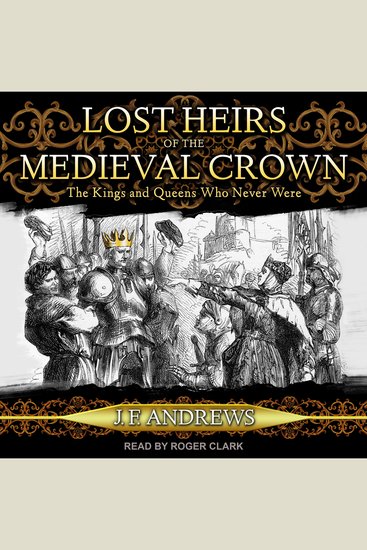
  • Lost Heirs of the Medieval Crown - The Kings and Queens Who Never Were - cover

    Lost Heirs of the Medieval Crown...

    J.F. Andrews

    • 0
    • 0
    • 0
    When William the Conqueror died in 1087, he left the throne of England to William Rufus . . . his second son. The result was an immediate war as Rufus's elder brother Robert fought to gain the crown he saw as rightfully his; this conflict marked the start of 400 years of bloody disputes as the English monarchy's line of hereditary succession was bent, twisted, and finally broken when the last Plantagenet king, Richard III, fell at Bosworth in 1485. 


    The Anglo-Norman and Plantagenet dynasties were renowned for their internecine strife, and in Lost Heirs we will unearth the hidden stories of fratricidal brothers, usurping cousins, and murderous uncles; the many kings—and the occasional queen—who should have been but never were. History is written by the winners, but every game of thrones has its losers too, and their fascinating stories bring richness and depth to what is a colorful period of history. King John would not have gained the crown had he not murdered his young nephew, who was in line to become England's first King Arthur; Henry V would never have been at Agincourt had his father not seized the throne by usurping and killing his cousin; and as the rival houses of York and Lancaster fought bloodily over the crown during the Wars of the Roses, life suddenly became very dangerous indeed for a young boy named Edmund.
    Mostra libro
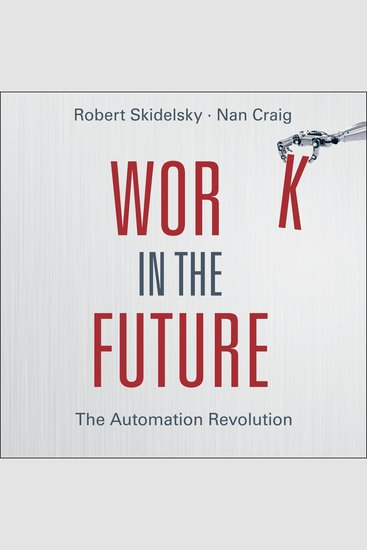
  • Work in the Future - The Automation Revolution - cover

    Work in the Future - The...

    Robert Skidelsky, Nan Craig

    • 0
    • 0
    • 0
    This short, accessible book seeks to explore the future of work through the views and opinions of a range of expertise, encompassing economic, historical, technological, ethical, and anthropological aspects of the debate. The transition to an automated society brings with it new challenges and a consideration for what has happened in the past; the editors of this book carefully steer the listener through future possibilities and policy outcomes, all the while recognizing that while such a shift to a robotized society will be a gradual process, it is one that requires significant thought and consideration.
    Mostra libro
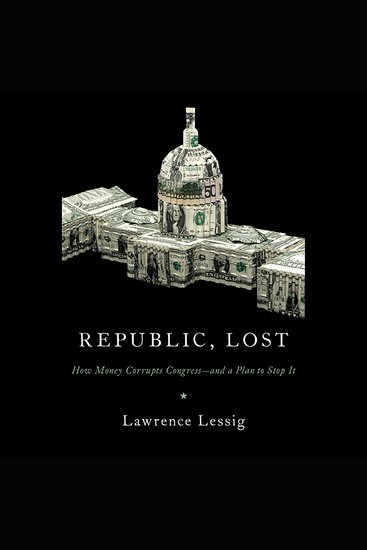
  • Republic Lost - How Money Corrupts Congress--and a Plan to Stop It - cover

    Republic Lost - How Money...

    Lawrence Lessig

    • 0
    • 0
    • 0
    Harvard Law School professor Lawrence Lessig investigates the most vexing problem in American democracy: how money corrupts our nation's politics, and the critical campaign to stop it.In an era when special interests funnel huge amounts of money into our government-driven by shifts in campaign-finance rules and brought to new levels by the Supreme Court in Citizens United v. Federal Election Commission-trust in our government has reached an all-time low. More than ever before, Americans believe that money buys results in Congress, and that business interests wield control over our legislature.With heartfelt urgency and a keen desire for righting wrongs, Harvard law professor Lawrence Lessig takes a clear-eyed look at how we arrived at this crisis: how fundamentally good people, with good intentions, have allowed our democracy to be co-opted by outside interests, and how this exploitation has become entrenched in the system. Rejecting simple labels and reductive logic-and instead using examples that resonate as powerfully on the Right as on the Left-Lessig seeks out the root causes of our situation. He plumbs the issues of campaign financing and corporate lobbying, revealing the human faces and follies that have allowed corruption to take such a foothold in our system. He puts theissues in terms that nonwonks can understand, using real-world analogies and real human stories. And ultimately he calls for widespread mobilization and a new Constitutional Convention, presenting achievable solutions for regaining control of our corrupted-but redeemable-representational system. In this way, Lessig plots a roadmap for returning our republic to its intended greatness.While America may be divided, Lessig vividly champions the idea that we can succeed if we accept that corruption is our common enemy and that we must find a way to fight against it. In Republic Lost, he not only makes this need palpable and clear-he gives us the practical and intellectual tools to do something about it.
    Mostra libro