




RIPRODURRE CAMPIONE

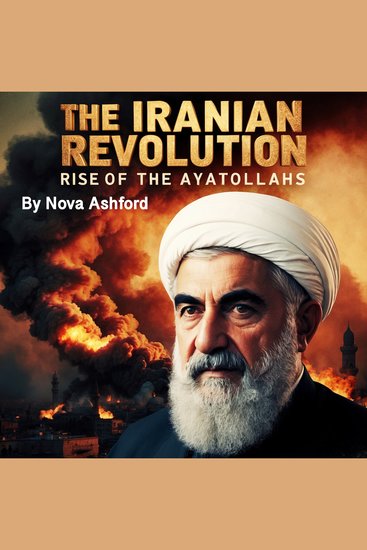
The Iranian Revolution - Rise of the Ayatollahs
Nova Ashford
Narratore Christina Foremans
Casa editrice: Cammy Fetchens LLC
Sinossi
Before the streets of Tehran echoed with revolutionary chants and the name of Ayatollah Khomeini became a global symbol of defiance, Iran was ruled by Mohammad Reza Shah Pahlavi—a monarch whose ambition was to modernize his country at any cost. Known as the "King of Kings," the Shah envisioned an Iran that could rival Western nations in technology, infrastructure, and global prestige. His White Revolution, launched in the 1960s, was a sweeping series of reforms aimed at rapidly modernizing the nation. Land redistribution, women's suffrage, industrial expansion, and increased secular education were all central to his vision. In the eyes of Western powers, especially the United States, he was a key ally and a symbol of stability in a volatile region.
But beneath this polished exterior, discontent festered. The Shah’s modernization efforts, while bold, were top-down and often clashed with Iran’s deeply rooted religious and traditional structures. Many in the rural population saw land reforms as chaotic and unfair, while urban intellectuals criticized the regime's autocratic nature. The clergy, once influential in shaping public life and morality, saw their role increasingly diminished. Religious scholars and conservative families grew uneasy as Western influence crept deeper into Iranian society, challenging long-standing cultural and Islamic norms.
Moreover, the Shah ruled with an iron grip. Political dissent was crushed by SAVAK, the brutal secret police known for its surveillance, torture, and disappearances. Political parties were neutered or banned altogether, and elections were often staged performances. Public criticism of the monarchy was not tolerated, driving opposition voices either underground or into exile. Despite vast oil revenues, economic inequality widened, and rapid urbanization led to overcrowded cities, job shortages, and growing disillusionment among the working class and youth.
Durata: circa 2 ore (01:46:07)
Data di pubblicazione: 17/04/2025; Unabridged; Copyright Year: — Copyright Statment: —




