Unisciti a noi in un viaggio nel mondo dei libri!
Aggiungi questo libro allo scaffale
Grey
Scrivi un nuovo commento Default profile 50px
Grey
Iscriviti per leggere l'intero libro o leggi le prime pagine gratuitamente!
All characters reduced
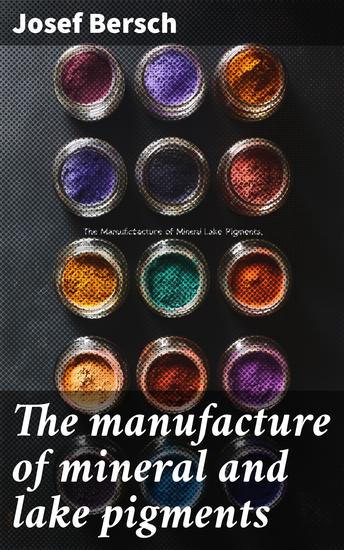
The manufacture of mineral and lake pigments - cover

The manufacture of mineral and lake pigments

Josef Bersch

Casa editrice: Good Press

  • 0
  • 0
  • 0

Sinossi

In "The Manufacture of Mineral and Lake Pigments," Josef Bersch meticulously explores the intricate processes behind the creation of various pigments, delving into their chemical compositions and historical significance. His approach blends scientific rigor with a vivid narrative style that captivates both artists and chemists alike. Bersch places significant emphasis on the historical context of pigment production, tracing the evolution from ancient methods to contemporary practices, emphasizing sustainability and technological advancements in the art world. This exploration provides a comprehensive understanding of the material culture surrounding color, enhancing the appreciation for the pigments used throughout art history. Josef Bersch is a renowned chemist and art historian, whose passion for both fields converges in this work. Having spent years conducting experimental research and collaborating with artists, Bersch's unique vantage point allows him to bridge the gap between science and art. His deep-rooted interest in historical techniques and materials led him to uncover the often-overlooked stories behind the pigments that have shaped artistic expression throughout centuries. This book is an invaluable resource for anyone interested in the science of color, whether art historians, artists, or scientists. Bersch's thorough examination of pigment manufacture not only educates but inspires, encouraging readers to appreciate the alchemical beauty inherent in the colors they encounter in art and life.
Disponibile da: 02/03/2025.
Lunghezza di stampa: 150 pagine.

Altri libri che potrebbero interessarti

  • Introduction to Bioinformatics - Decoding Biological Data through Computational Innovation - cover

    Introduction to Bioinformatics -...

    Ben Rizer

    • 0
    • 0
    • 0
    Bioinformatics is a rapidly evolving field at the crossroads of biology and computational science, where the complexities of genetic and molecular data are unraveled through advanced computational techniques. Introduction to Bioinformatics serves as a comprehensive guide for those venturing into this interdisciplinary domain, providing a thorough overview of how bioinformatics transforms biological research and medical practice. 
    This book begins with foundational concepts, explaining the core principles of molecular biology and how they intersect with computational methods. Readers will explore the significance of DNA, RNA, and proteins in the context of bioinformatics, learning how these biological molecules are analyzed through cutting-edge technologies like next-generation sequencing and RNA sequencing. 
    The text delves into essential bioinformatics tools and techniques, including sequence alignment algorithms and the use of substitution matrices such as PAM and BLOSUM. It also covers the practical applications of bioinformatics in genomics, proteomics, and personalized medicine, highlighting how these innovations contribute to our understanding of genetic variation, disease mechanisms, and targeted therapies. 
    Introduction to Bioinformatics is designed for students, researchers, and professionals seeking to understand the intersection of biological data and computational science. With its clear explanations, practical examples, and forward-looking perspective, this book provides readers with the knowledge and tools needed to navigate and contribute to the exciting world of bioinformatics. 
     
    Mostra libro
  • The Permaculture Home Garden - Design and Implementation - cover

    The Permaculture Home Garden -...

    Gertrude Harris

    • 0
    • 0
    • 0
    In recent years, there has been a growing shift toward sustainable living, and one of the most impactful ways individuals can contribute to environmental stewardship is through permaculture. The Permaculture Home Garden Design and Implementation is designed to guide you through the principles and practices that can transform your home garden into a self-sustaining, ecologically balanced ecosystem. This book is for anyone, whether you are a seasoned gardener or just beginning, who is interested in creating a space that not only provides food but also nurtures the environment. 
    Permaculture, at its core, is a design system rooted in natural ecosystems, aiming to meet human needs while regenerating the planet. It goes beyond organic gardening by integrating every element of your home and garden—plants, animals, structures, and even human activities—into a cohesive whole. By observing the natural world, permaculture teaches us how to mimic the processes found in nature to create systems that are productive, resilient, and low-maintenance. 
    One of the central ideas of permaculture is that a sustainable garden doesn’t need to be a constant source of stress and hard labor. Instead, it’s about working with nature’s rhythms, understanding the needs of your plants and animals, and fostering an environment where they can thrive with minimal external inputs. By applying the permaculture principles to your home garden, you will create a space that grows food, builds soil health, conserves water, supports biodiversity, and ultimately reduces your reliance on outside resources. 
    This book will help you start from the very beginning, guiding you through an in-depth exploration of permaculture principles and their practical application. You will learn how to assess your land, plan your garden using thoughtful design, and implement solutions that foster long-term ecological health.
    Mostra libro
  • Hacking API - Navigating the Intricacies of API Security and Ethical Hacking - cover

    Hacking API - Navigating the...

    James Ferry

    • 0
    • 0
    • 0
    In the interconnected world of modern technology, APIs (Application Programming Interfaces) are the unseen threads that weave together software systems, enabling seamless interaction between diverse platforms. However, this integration also opens up numerous avenues for potential security threats. "Hacking API: Navigating the Intricacies of API Security and Ethical Hacking" is an essential guide designed to arm IT professionals, security enthusiasts, and developers with the knowledge and tools necessary to understand, test, and secure APIs against these threats. 
    This book delves deep into the architecture of APIs across various protocols like REST, SOAP, and GraphQL, highlighting their inherent vulnerabilities and demonstrating how these can be exploited ethically to strengthen security measures. It begins with a foundational overview of API technology—explaining its importance, functionality, and pivotal role in today’s digital ecosystem. 
    As you progress through the chapters, you'll be introduced to the common vulnerabilities as highlighted by the OWASP API Top 10, complete with recent examples and case studies of notable API breaches that shook the tech world. This not only illustrates the potential impacts of attacks but also sets the stage for the subsequent sections on ethical hacking. 
    With hands-on exercises, real-world scenarios, and expert advice, this book ensures that by the time you turn the last page, you’ll be better prepared to navigate the complexities of API security. Whether you’re looking to enhance your existing skills or start your journey into the world of ethical hacking, "Hacking API" serves as your indispensable companion in the quest to make the digital world a safer place. 
     
    Mostra libro
  • Garden To Save The World - Grow Your Own Save Money and Help the Planet - cover

    Garden To Save The World - Grow...

    Joe Clark

    • 0
    • 0
    • 0
    Read by the author, Joe Clark, and featuring an exclusive Q&A with Joe's top gardening tips.No matter your space, gardening expert and social media sensation Joe Clark will help you find joy and peace in the natural world.Nature enthusiast Joe Clark is here to help you make the most of the outdoors, whether or not you have a garden of your own. Garden to Save the World covers everything from growing your own food and eating seasonally to keeping vital ecosystems alive by encouraging wildlife and appreciating all nature has to offer.Garden to Save the World showcases just how fantastic the natural world is, both for your physical and mental health. It’s a fun, positive guide to the joys of the natural world as a haven for all. The book is complete with practical takeaways on how to make an urban bee hotel, zero waste tips, going wild, using your garden as a supermarket and more. There are fun facts and surprising stories about what your garden can do for you, your community and the planet. Perfect for any budding or seasoned nature lover.Joe has a brilliant community of nearly 2 million online, where he shares top tips on his Joesgarden platforms.
    Mostra libro
  • Quantum Software Development for Beginners - A Beginner's Guide to Development Mastery - cover

    Quantum Software Development for...

    Chuck Sherman

    • 0
    • 0
    • 0
    Are you fascinated by the limitless potential of quantum computing and its implications for the world of machine learning? Quantum Machine Learning for Beginners is your key to unlocking the secrets of this groundbreaking technology and harnessing its power from the ground up. 
    In this accessible and comprehensive guide, we'll take you on a journey through the exciting realms of quantum computing and machine learning. Whether you're a total novice or have a basic understanding of these fields, this book is designed to help you build a solid foundation and venture into the fascinating world of quantum machine learning with confidence. 
    Quantum Machine Learning for Beginners is a resource that welcomes both curious beginners and budding quantum enthusiasts, offering a solid introduction to the fascinating intersection of quantum computing and machine learning. Whether you're a student, a developer, or a tech enthusiast, this book equips you with the understanding and skills to embark on a quantum machine learning journey. With clear explanations, illustrative examples, and hands-on exercises, you'll be prepared to unlock the infinite possibilities of quantum technology and contribute to the future of this exciting field. 
    Embark on your quantum machine learning journey today by grabbing your copy of Quantum Machine Learning for Beginners! 
     
    Mostra libro
  • The Paradox of a Smart Atomic Bomb - A Deep Dive Into Consequences of Merging AI And Nuclear Weapons - cover

    The Paradox of a Smart Atomic...

    Davis Truman

    • 0
    • 0
    • 0
    The risk of nuclear conflict today is at its highest point in decades. Geopolitical tensions are on the rise, and we are witnessing an unsettling increase in reckless nuclear threats and the use of nuclear blackmail. This has made the long-standing taboo against the use of nuclear weapons appear more fragile than ever before. In 2022, the famous Doomsday Clock was set to a chilling 90 seconds to midnight, marking the closest it has ever been since its inception in 1947. This unsettling moment in history underscores just how vulnerable the world has become to the catastrophic consequences of nuclear war. 
    In this fragile and precarious situation, it becomes even more crucial for the global community to fully grasp the profound humanitarian impact that any use of nuclear weapons would have. Whether in the case of a limited strike or a full-scale nuclear conflict, the consequences would be devastating not just for the immediate areas affected but for all of humanity and the environment. The environmental destruction, the loss of life, and the lasting psychological and societal trauma would ripple across borders, affecting every nation. 
    Greater awareness and a deeper understanding of these consequences are vital for mobilizing the global community to take decisive, collective action. Only through a heightened sense of urgency and responsibility can we work together to prevent the use of nuclear weapons. This awareness is also the key to advancing the cause of nuclear disarmament. Moving away from a security model based on the dangerous idea of mutually assured destruction and toward one focused on cooperation, diplomacy, and peace is not just desirable—it’s essential for ensuring the survival of humanity and the planet for future generations. 
     
    Mostra libro