Civil Disobedience - The Power of Nonviolent Resistance in Modern Democracies
Fouad Sabry
Casa editrice: One Billion Knowledgeable
Sinossi
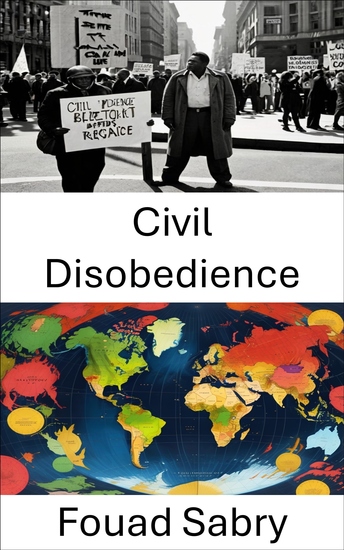
What is Civil Disobedience?"Civil Disobedience" explores nonviolent resistance to unjust laws, emphasizing the moral obligation of conscience over government authority. A key resource for understanding ethical dissent in political science.

Chapters Overviews:

1: Civil disobedience - Defines civil disobedience and its role in challenging unjust laws.

2: Henry David Thoreau - Highlights Thoreau’s contribution to popularizing civil disobedience.

3: Satyagraha - Gandhi's Satyagraha movement as a method for social and political change.

4: Nonviolence - Explores nonviolence as a core principle of civil resistance.

5: Protest - Reviews various protest methods and their societal impacts.

6: Civil Disobedience (Thoreau) - Examines Thoreau’s essay and its enduring significance.

7: Nonviolent revolution - Explores how nonviolent action can spark revolutionary change.

8: Civil resistance - Studies the strategies and effects of civil resistance on politics.

9: Nonviolent resistance - Discusses the philosophy and tactics of nonviolent movements.

10: Examples of civil disobedience - Provides historical and modern examples from around the world.

11: Anarchism and violence - Explores anarchism’s relationship to nonviolence and resistance.

12: Anarcho-pacifism - Focuses on the pacifist wing of anarchism advocating nonviolent methods.

13: Salt March - A case study of Gandhi’s Salt March and its impact on colonial India.

14: The Masque of Anarchy - Shelley's poem as a literary expression of civil disobedience.

15: Gandhism - Examines Gandhism and its principles of nonviolent resistance.

16: Pacifism in Islam - Explores pacifism within Islamic thought and its ties to civil disobedience.

17: Operation Gandhi - Post-WWII Gandhian movements in the West.

18: Libertarian civil disobedience in the US - Discusses the libertarian approach to civil disobedience in America.

19: Direct action - Defines direct action and its goal of immediate societal change.

20: Diversity of tactics - Reviews various tactics used in civil disobedience.

21: Tax resistance in the US - Discusses tax resistance as a form of civil disobedience in American history.

Who is this book for?

This book is perfect for students, professionals, and enthusiasts seeking a comprehensive understanding of civil disobedience. It offers valuable insights into the moral and practical aspects of political resistance, making it an essential addition to any collection on political science.
Disponibile da: 15/10/2024.
Lunghezza di stampa: 298 pagine.