Unisciti a noi in un viaggio nel mondo dei libri!
Aggiungi questo libro allo scaffale
Grey
Scrivi un nuovo commento Default profile 50px
Grey
Iscriviti per leggere l'intero libro o leggi le prime pagine gratuitamente!
All characters reduced
Studies in Classic American Literature - cover

Studies in Classic American Literature

D. H. Lawrence

Casa editrice: DigiCat

  • 0
  • 0
  • 0

Sinossi

In "Studies in Classic American Literature," D. H. Lawrence embarks on a deep exploration of key American literary figures, including Hawthorne, Whitman, and Melville. Through a series of essays, Lawrence employs a richly poetic style that blends personal reflection with critical analysis, encouraging readers to perceive the profound emotional and spiritual undercurrents in American literature. This work situates itself within the broader context of early 20th-century literary criticism, offering a fresh lens through which to view the moral and philosophical concerns of the American literary canon. D. H. Lawrence, an influential novelist and poet regarded for his bold exploration of human relationships and the psyche, drew inspiration from his experiences with diverse cultures and philosophies. His own writings, which often interrogate themes of individuality versus societal norms, resonate with the subjects he analyzes in this collection. Lawrence's unique transnational perspective, shaped by both his English heritage and his engagement with American culture, fuels his desire to elucidate the depths of American literary expression. This book is a must-read for literary scholars, students, and anyone interested in the intersections of culture and literature. Lawrence's innovative critiques not only illuminate the essence of classic American texts but also challenge readers to grapple with the ongoing relevance of these works in contemporary discourse.
Disponibile da: 29/05/2022.
Lunghezza di stampa: 147 pagine.

Altri libri che potrebbero interessarti

  • I Am Still Me - The Future of Mind Uploading Identity and Digital Immortality - cover

    I Am Still Me - The Future of...

    lucayyofficial

    • 0
    • 0
    • 0
    What if death wasn't the end — but just a reboot? 
    In Still Me, lucayyofficial takes you on a mind-bending journey into the future of identity, consciousness, and digital immortality. With raw honesty and relentless curiosity, this provocative book explores the real questions behind mind uploading:Are you still you if your mind is transferred?What happens when your copy doesn’t know it’s a copy?Can desire, sex, and love survive in a synthetic body?And most haunting of all — what if you’ve already died and don’t even know it? 
    Blending science, philosophy, and gut-punch insight, Still Me doesn’t settle for sci-fi fantasy. It demands a deeper reckoning: what does it truly mean to stay yourself when the rules of life — and death — are rewritten? 
    If you've ever wondered what comes after the end, this is the book you've been waiting for.
    Mostra libro
  • Roman Architecture - Building the Empire's Legacy - cover

    Roman Architecture - Building...

    Rogan Fish

    • 0
    • 0
    • 0
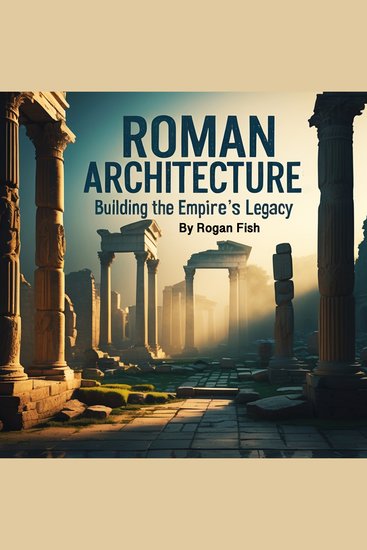
    Roman architecture emerged as a distinctive style that blended elements from earlier civilizations, primarily Greek and Etruscan influences. As Rome expanded from a small settlement into a powerful empire, its architectural identity evolved, incorporating new techniques and materials that allowed for grander and more functional structures. The early foundations of Roman architecture set the stage for innovations that would shape the empire’s urban landscape for centuries. 
    One of the most significant influences on Roman architecture came from the Etruscans, a civilization that dominated central Italy before Rome’s rise. The Etruscans were skilled builders who introduced techniques such as the use of the arch and vault, both of which would later become hallmarks of Roman engineering. Etruscan temples, with their high podiums and deep porches, also served as models for early Roman religious structures. Another major influence was Greek architecture, which Romans admired and adapted to suit their needs. The Greeks provided inspiration in the use of columns, decorative friezes, and symmetrical design, elements that were later integrated into Roman temples, public buildings, and monuments. 
    Roman architectural development was also shaped by advancements in building materials and construction techniques. The early Romans initially built using wood and mudbrick, but as they refined their skills, they transitioned to more durable materials like stone and concrete. The introduction of concrete was a groundbreaking innovation, allowing for stronger and more flexible structures. Unlike the Greeks, who relied heavily on marble, the Romans preferred concrete for its affordability and adaptability, enabling them to construct larger and more complex buildings, such as amphitheaters, aqueducts, and domes.
    Mostra libro
  • Works and Customs in Palestine Volume I 2 - The Course of the Year and the Course of the Day Second Half: Spring and Summer - cover

    Works and Customs in Palestine...

    Gustaf Dalman

    • 0
    • 0
    • 0
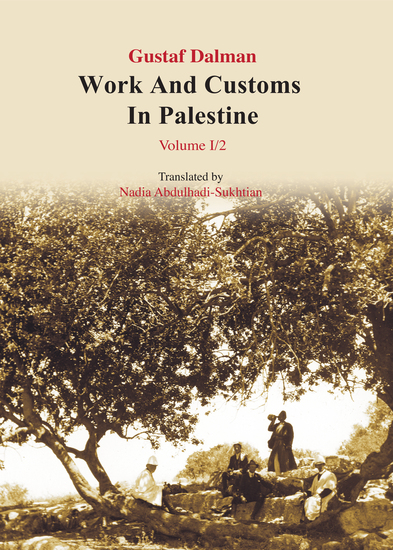
    Volume I; Part 2, Spring and Summer, continues dealing with agriculture in general, because the seasons of Palestine could not be described without describing the various farming tasks connected to them, and the religious customs associated with them.
    Mostra libro
  • Stay Here - Uncovering God's Plan to Restore Your Mental Health - cover

    Stay Here - Uncovering God's...

    Jacob Coyne

    • 0
    • 0
    • 0
    Please stay. The world is so much better with you in it. 
     
    Every forty seconds, someone takes his or her life. Anxiety, depression, and suicide are at all-time highs--and they're stealing our sons, daughters, friends, and spouses. 
     
    With tender passion and bold hope, Jacob Coyne, founder of Stay Here, infuses life into the dark corners of mental health. Giving hurting souls a reason to live, he shows not only how Jesus brings life to the full, but also how anyone--regardless of their past or pain--can find healing, including how to 
     
    · attack our anxiety and calm our storms; 
    · defeat depression and live with a sound mind; 
    · overcome intrusive suicidal thoughts and enjoy life; and 
    · transform pain, trauma, suicidal thoughts, and addictions into purpose. 
     
    It's okay to not be okay--but you don't have to stay that way. It's time to shine the hope of Christ into the darkness and witness His love transform broken souls into living, breathing signs to live.
    Mostra libro
  • The Book of Tea - cover

    The Book of Tea

    Okakura Kakuzō

    • 0
    • 0
    • 0
    The Book of Tea was written by Okakura Kakuzo in the early 20th century. It was first published in 1906, and has since been republished many times. - In the book, Kakuzo introduces the term Teaism and how Tea has affected nearly every aspect of Japanese culture, thought, and life. The book is noted to be accessible to Western audiences because though Kakuzo was born and raised Japanese, he was trained from a young age to speak English; and would speak it all his life, becoming proficient at communicating his thoughts in the Western Mind. In his book he elucidates such topics as Zen and Taoism, but also the secular aspects of Tea and Japanese life. The book emphasizes how Teaism taught the Japanese many things; most importantly, simplicity. Kakuzo argues that this tea-induced simplicity affected art and architecture, and he was a long-time student of the visual arts. He ends the book with a chapter on Tea Masters, and spends some time talking about Sen no Rikyu and his contribution to the Japanese Tea Ceremony.
    Mostra libro
  • HO'OPONOPONO - A Christian perspective of forgiveness prayer and healing for the body and soul - cover

    HO'OPONOPONO - A Christian...

    Arcelio Hernández Mussio

    • 0
    • 0
    • 0
    Christians are called on to examine everything. Ho’oponopono may be integrated into spiritual life by Christians for soul-cleansing and self-healing purposes. There is no need to believe in reincarnation or to worship other Gods. Love, forgiveness, reconciliation, and gratefulness can only lead to a positive state of mind, which may benefit many aspects, from health to success in relationships and business. 
    Christianity and Ho’oponopono recognize that it is God who can cleanse the soul. Our job is to petition the cleaning, for which Ho’oponopono provides an effective method, which may be added to Christian soul-cleaning practices such as prayer, reading the Holy Scriptures, and listening to sermons inspired by biblical teachings. 
    In both traditions, soul-cleansing is a lifelong process. One must make this a way of life. Love, forgiveness, and gratitude bring about joy. We can choose to be free of the painful memories that burden our souls by making this mantra or prayer a habit. 
    This book goes deeply into both traditions to find similarities and insights.
    Mostra libro