Unisciti a noi in un viaggio nel mondo dei libri!
Aggiungi questo libro allo scaffale
Grey
Scrivi un nuovo commento Default profile 50px
Grey
Iscriviti per leggere l'intero libro o leggi le prime pagine gratuitamente!
All characters reduced
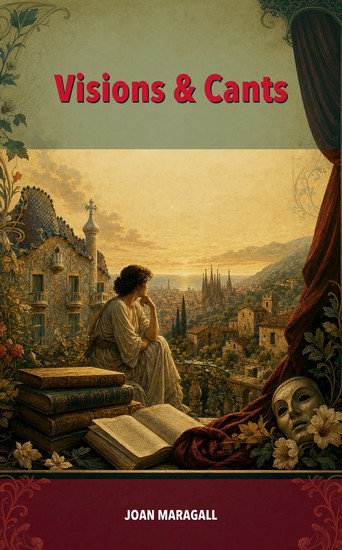
Visions & Cants - cover

Visions & Cants

Joan Maragall

Casa editrice: Caelwick Press

  • 0
  • 0
  • 0

Sinossi

"Visions & Cants" by Joan Maragall is a poetry collection published in 1900. Divided into three parts, the book journeys through Catalonia's legendary past, everyday present, and hopeful future. Maragall weaves tales of cursed hunters, condemned monks, and heroic kings to explore Catalan identity and character. From mythic figures like the Comte Arnau to historical heroes like King Jaume I, these poems blend folklore with national consciousness, moving from historical visions through intimate daily scenes toward collective celebration and patriotic exaltation. This Catalan-language digital edition is prepared with active navigation, clean typography, a custom cover and a reading file stripped of source-site notices, donation text and unnecessary external links.
Disponibile da: 17/06/2026.
Lunghezza di stampa: 22 pagine.

Altri libri che potrebbero interessarti

  • Gala Placidia: Tragedia en tres actes - cover

    Gala Placidia: Tragedia en tres...

    Angel Guimera

    • 0
    • 0
    • 0
    "Gala Placidia: Tragedia en tres actes" by Àngel Guimerà is a dramatic play written in the late 19th century. This tragedy is rooted in historical events, focusing on the life of Gala Placidia, the Roman empress and daughter of Emperor Theodosius. The narrative traverses her complex relationships, mainly with her husband, the Gothic king Ataulf, setting the stage for themes of love, power, and ethnic strife. The opening of the play introduces the setting in Barcelona in the year 416, emphasizing the tension between the Goths and Romans. The first act unfolds within the chamber of King Ataulf, who grapples with the pressures of leadership and his love for Placidia. The dialogues reveal the backdrop of political intrigue, with characters expressing their loyalties and conflicts. Ataulf's interactions with the newly introduced characters, such as Sigerich—who seems to bear a grudge against Roman authority—foreshadow the turbulent emotional landscape that will evolve throughout the tragedy. The act concludes with a sense of foreboding regarding the fate of Placidia and the Gothic realm, hinting at deeper betrayals and conflicts that lie ahead. This Catalan-language digital edition is prepared with active navigation, clean typography, a custom cover and a reading file stripped of source-site notices, donation text and unnecessary external links.
    Mostra libro
  • Ja hi van al Africa: Pessa patriotica en un acte - cover

    Ja hi van al Africa: Pessa...

    J. A. (Jose Antonio) Ferrer...

    • 0
    • 0
    • 0
    "Ja hi van al África : Pessa patriótica en un acte by J. A. Ferrer Fernández" is a patriotic one-act play written in the mid-19th century. The piece, composed in verse, stages a civic send-off for Catalan volunteers heading to the African campaign, blending martial zeal, communal pride, and intimate family feeling. Set in Barcelona during a time of mobilization, the action opens in a public square where D. Lluís and local youths praise the surge of enlistments. Jaume, an elderly farmer, is refused as too old, while his son Jordi prepares to depart; Margarida fears for him, and Doloretas—Jordi's young wife and cantinière—vows to accompany him bravely. The scene shifts to the waterfront thronged with townspeople, vendors, officials, and musicians. Rousing speeches exalt Catalonia and Spain as the volunteers, bearing a banner of the Virgin of Montserrat, are blessed by family and cheered by choruses of women and men. After emotional farewells and vows of courage, Jordi leads the call to embark. Amid music, salutes, and cannon fire, the volunteers board the boats and depart for Africa, leaving the city echoing with proud goodbyes. This Catalan-language digital edition is prepared with active navigation, clean typography, a custom cover and a reading file stripped of source-site notices, donation text and unnecessary external links.
    Mostra libro
  • Disputa de l'ase - cover

    Disputa de l'ase

    Anselm Turmeda

    • 0
    • 0
    • 0
    Narrat per: Bernat Quintana, Josep Pedrals.
    La Disputa, escrita de vers els anys 1417-1418, constitueix una divertida sàtira de la pretesa superioritat humana respecte dels animals. S'hi narra un àgil diàleg entre fra Anselm i l'ase del títol, que posa de manifest el profund escepticisme doctrinal del seu autor.L'obra utilitza diferents gèneres del món literari medieval: l'apòleg, la disputa, la profecia i el relat satírico-còmic, sense oblidar els elements al•legòrics i cavallerescos. Inclou també components autobiogràfics (o que volen semblar-ho) de Turmeda, un frare apòstata que acabà abraçant l'Islam. El resultat és un producte irònic, amb una aparença moralista. És per això que sovint ha estat mal interpretat pels estudiosos del segle XX com a obra d'un autor penedit de la seva deserció religiosa. L'obra no va poder esquivar la censura coetània, fou condemnada per la Inquisició i només en restà la traducció al francès. La versió d'Albert Mestres i Marta Marfany és una traducció de l'original francès. Argument de l'obra L'aventura s'inicia amb un passeig pel bosc, fra Anselm s'adorm mentre les bèsties debaten l'elecció del nou rei.L'assemblea d'animals, que reuneix des dels més nobles (com el lleó i l'elefant) fins als més baixos (el poll, la puça, la lladella) és una metàfora de la societat humana, un tema molt recurrent a la literatura medieval. En arribar a un acord, els animals ho celebren cantant, saltant i provocant un esvalot que desperta Turmeda. El conill el reconeix de la seva vida captiva anterior, i el rei Lleó, després de sentir-ne a parlar, sol•licita la seva compareixença per tal que aquest "fill d'Adam" els esclareixi cert rumor: que considera l'espècie humana superior als animals. I és així com s'inicia el nus de la faula, un diàleg entre el frare i un "ase cap de suro i desgraciat" que contradiu totes les raons de l'home. Fra Anselm s'esforça a pronunciar dinou arguments a favor de la superioritat de la seva espècie enfront de les altres. Exposa amb audàcia i gosadia raons de costums, d'aparença, de virtuts, d'intel•lecte… però no és fins a l'últim i decisiu argument que desarma el seu interlocutor:Déu es va encarnar en home i no en animal. Davant la derrota, el rei reconeix la seva naturalesa inferior i submisa als éssers humans i deixa anar lliure el captiu. L'autor insereix entremig de la trama vuit històries còmiques que ataquen els frares sense pietat i una profecia de caire transcendental i en vers predita pel "reverendíssim" ruc.
    Mostra libro
  • La mare eterna: Drama en tres actes - cover

    La mare eterna: Drama en tres actes

    Ignasi Iglesias

    • 0
    • 0
    • 0
    La mare eterna by Ignasi Iglesias is a play written in the early 20th century. Set in a prosperous farmhouse in the Vallès, it explores the pull between religious duty and earthly love as the seminarian Gabriel wavers between a promise to his late mother and his growing feelings for his cousin Marió. The poet Florenci, a frail guest from the city enamored of rural life, champions vitality, art, and freedom, unsettling the devout farmer Andreu and inspiring the hired hands. The drama promises a collision of piety, passion, and nature's call within a vividly rendered agrarian world. At the start of the play, Marió and her uncle Andreu prepare supper and worry about Florenci's sway over Gabriel; after Gabriel and Florenci return from the fields, the farmhands join, and while Andreu leads prayers, Florenci quietly recites his stirring "Cant de Juny," enchanting the workers and so moving Gabriel that he drops his breviary. The next morning Florenci coaxes Marió's feelings into view, and Gabriel—now in secular clothes—confides to Florenci that he lacks vocation and loves Marió; urged to choose life, he decides to tell his father. When the hands bustle off to cook a rustic snack (and beg Florenci for more verses), Gabriel declares his love to Marió; she resists out of duty and fear of censure but is clearly touched, leaving him a kissed flower as she withdraws in tears. The opening closes with Gabriel torn yet newly resolute, alone as the others depart. This Catalan-language digital edition is prepared with active navigation, clean typography, a custom cover and a reading file stripped of source-site notices, donation text and unnecessary external links.
    Mostra libro
  • Jesus que torna: Drama en tres actes y en prosa - cover

    Jesus que torna: Drama en tres...

    Angel Guimera

    • 0
    • 0
    • 0
    "Jesús que torna: Drama en tres actes y en prosa" by Àngel Guimerà is a dramatic play written in the early 20th century. The play centers around themes of hope, faith, and social transformation, likely inspired by messianic narratives. At its heart is the enigmatic figure of Nataniel, whose presence stirs deep emotions and controversy among a diverse cast of characters—aristocrats, royalty, servants, and common folk—while exploring the impact of a possible modern-day savior appearing in a time of mounting war and unrest. The opening of the play introduces a noble estate abuzz with rumors about Nataniel, a stranger believed by many to possess miraculous powers and even to be the returned Jesus. The characters include the skeptical Count d'Orlof, the idealistic Gladys, the ailing Prince Demetri, and a supporting company of nobility and servants grappling with the social upheaval Nataniel represents. As Nataniel passes by with a following of fervent supporters, he is wounded in a confrontation but is cared for within the castle, sparking moments of compassion, skepticism, and awe among the house's inhabitants. Early scenes establish tension between cynicism and belief, as well as between the older order and the transformative force Nataniel embodies, setting the stage for personal and political challenges in the shadow of an impending war. This Catalan-language digital edition is prepared with active navigation, clean typography, a custom cover and a reading file stripped of source-site notices, donation text and unnecessary external links.
    Mostra libro
  • Viatge al purgatori - cover

    Viatge al purgatori

    Ramon de Perellós

    • 0
    • 0
    • 0
    Narrat per: Bernat Quintana i Roger Isasi-Isasmendi. 
    El Viatge al Purgatori de Sant Patrici de Ramon Perellós és una fascinant novel·la medieval breu que barreja aventura, espiritualitat i misteri. Escrita a finals del segle XV, narra l'experiència del cavaller Ramon Perellós, que emprèn un viatge cap a l'illa d'Irlanda per explorar el llegendari Purgatori de Sant Patrici, una porta a l'altre món on les ànimes expien els seus pecats.
    Aquesta obra combina el realisme d'un relat de viatges amb elements meravellosos i visionaris. Perellós descobreix paisatges sobrenaturals, pateix proves terribles i presencia càstigs esgarrifosos que ens recorden La Divina Comèdia de Dante. Però també veu l'esperança del paradís i el poder del penediment.
    Disponible per primer cop en català actual, el llibre és un tresor de la literatura catalana i una autèntica joia per als amants de les històries èpiques. Amb una lectura àgil i plena d'imatges sorprenents, El Viatge al Purgatori de Ramon Perellós relata una experiència única entre la història i la fantasia. Indispensable per a qui vulgui descobrir un clàssic poc conegut però fascinant. L'obra relata la llegenda de Sant Patrici, el viatge de l'autor a Irlanda i com va veure, dins del Purgatori, el rei Joan I, purgant els seus pecats abans d'anar al cel.
    Mostra libro