Join us on a literary world trip!
Add this book to bookshelf
Grey
Write a new comment Default profile 50px
Grey
Subscribe to read the full book or read the first pages for free!
All characters reduced
Curial e Güelfa - cover

Curial e Güelfa

Anonymous

Publisher: Editorial Barcino

  • 0
  • 0
  • 0

Summary

Nova edició de Curial e Güelfa en catLà actual, a càrrec de Lluís-Anton Baulenas. En un nou format d'un sol volum, pensat com a novel·la per gaudir de la lectura. L'edició es completa amb un epíleg completament nou de l'editora i medievalista Raquel Parera en què destaca la importància de les figures femenines dins l'obra.
El Curial e Güelfa és una novel·la escrita a mitjan segle xv per un autor del qual en desconeixem el nom. L'obra narra les aventures cavalleresques i sentimentals de Curial, nascut en una família humil del nord d'Itàlia, que de ben jove se'n va a la cort del marquès de Montferrat. Allà coneix la jove vídua Güelfa, senyora de Milà, que esdevindrà la seva protectora i enamorada.
La valentia i habilitat de Curial el converteixen aviat en un cavaller victoriós, sempre al servei de la justícia, que lluitarà al costat del rei Pere II el Gran, i serà honorat per l'emperador d'Alemanya i pel rei de França. Els èxits, però, aniran acompanyats de temptacions amoroses que faran trontollar la relació amb la Güelfa.
Available since: 10/26/2022.
Print length: 488 pages.

Other books that might interest you

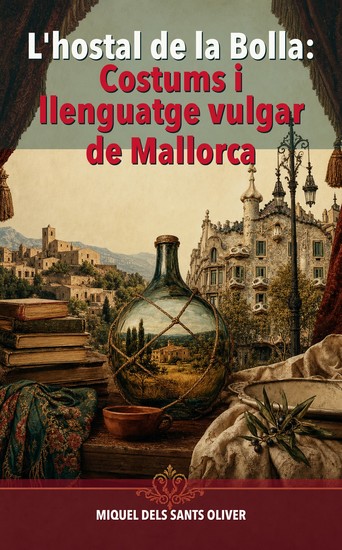
  • L'hostal de la Bolla: Costums i llenguatge vulgar de Mallorca - cover

    L'hostal de la Bolla: Costums i...

    Miquel dels Sants Oliver

    • 0
    • 0
    • 0
    "L'hostal de la Bolla: Costums i llenguatge vulgar de Mallorca" by Miquel dels Sants Oliver is a literary work written in the early 20th century. This narrative captures the everyday life in Mallorca, particularly through the experiences of the barber Armando, who navigates between his unfulfilled aspirations and the vibrant local culture. The book explores themes of ambition, identity, and community within a setting rich in character and local color. The opening portion of the text introduces Armando, a barber characterized by his artistic sensibilities and dissatisfaction with his mundane profession. As he opens his barber shop and reflects on his past ambitions of becoming a musician, the narrative begins to weave in memories of the bustling environment surrounding the "Hostal de la Bolla." The description of local patrons and the vibrant cultural scene sets the stage for a richly textured exploration of life in Mallorca. The reader is invited to engage with the dynamics of the community and the characters that inhabit it, suggesting a blend of humor, nostalgia, and keen observations of social interactions. This Catalan-language digital edition is prepared with active navigation, clean typography, a custom cover and a reading file stripped of source-site notices, donation text and unnecessary external links.
    Show book
  • Josep i els seus germans IV - Josep el Proveïdor - cover

    Josep i els seus germans IV -...

    Thomas Mann

    • 0
    • 0
    • 0
    Sí, és ell. L'home amb qui visitem la mil·lenària ciutat dels ulls parpellejants ha canviat molt, des d'aquell vespre que va fer esparverar Jaacob amb el seu lasciu galanteig lunar al caire del pou. Però, per molt que portéssim anys sense veure'l i se'ns presentés com la Veu Suprema del Faraó, encimbellat com un semideu i envoltat d'un exèrcit d'escribes, hauríem de ser beneits per no reconèixer-lo. Nosaltres, que no només sabem aquesta història sinó que hi hem estat sempre presents, ens mirarem amb un somriure d'elegits el retrobament de Josep i els fills d'Israel, i els turments de la seva nova condició, tan prenyada de llicències. Ara no podem amagar el compungiment davant la fi d'aquesta bella història de Déu, aquesta «fenomenal broma divina», però no ens mourem de lloc, perquè hem de veure com la tribu riu, plora i allarga les mans cap al Proveïdor per una provisional última vegada. Sí, la tribu som nosaltres.
    Show book
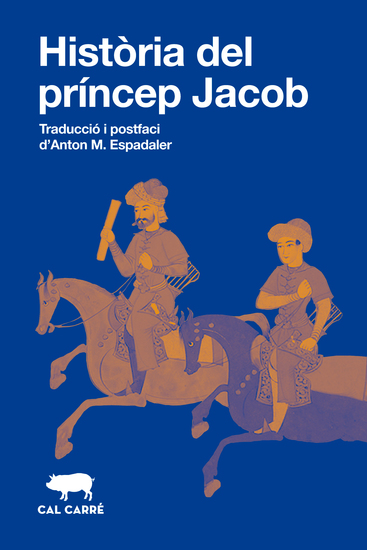
  • Història del príncep Jacob - cover

    Història del príncep Jacob

    Anònim

    • 0
    • 0
    • 0
    «¿De qui es podran refiar les persones, i sobretot els pares, si no poden confiar en els fills?»
    
    
    La història arrenca amb una mentida. Qui la fa créixer hi atorga versemblança. Qui se la creu, actua com si la mentida fos un fet comprovat. Com a conseqüència, el príncep Jacob ha d'abandonar la seva terra per evitar que el matin. Fuig amb el seu amic Alí Paixà i topen amb mil i un entrebancs mentre esperen el moment per poder tornar a casa.
    
    Al nostre heroi el tanquen una setmana en una torre mortuòria amb la seva estimada i l'autor anònim ens regala una escena que sembla treta d'una pel·lícula. I ens regala més coses: una relació incestuosa, una mica de transvestisme, un metge jueu més dolent que la tinya i una malaltia desconeguda, la xamxa, relacionada amb l'ardor sexual que esmenta Quim Monzó a La magnitud de la tragèdia.
    
    La història del príncep Jacob és una de les tres grans novel·les catalanes del segle xv, de costat amb el Tirant lo Blanc i el Curial e Güelfa. De la mà d'Anton M. Espadaler, podem llegir en un català viu i modern aquestes aventures ambientades a Turquia que ens avisen del poder de la mentida i ens adverteixen contra el perill d'aquells governants que la fan créixer.
    Show book
  • Els Herois - cover

    Els Herois

    Prudenci Bertrana

    • 0
    • 0
    • 0
    "Els Herois" by Prudenci Bertrana is a novel written in the early 20th century. The book appears to focus on the lives and adventures of humble yet heroic figures in rural settings, specifically highlighting characters who embody the virtues of hard work, resilience, and a close connection to nature. As the opening unfolds, we are introduced to various characters, including Quimet, a quirky and rough-edged woodsman, who lives in a small village and takes on the challenges of life in the wilderness. The opening of the story paints a vivid picture of the village of L'Esparra, its people, and especially Quimet, who is characterized by his unconventional lifestyle and physicality. He is a solitary figure who meets life with a mix of bravado and humility, often grappling with his identity and vocation. The narrative delves into his existence as a laborer in the forests, his companionship with a loyal dog named Caiman, and his interactions with the local community, which range from amusement to disdain. This vivid introduction sets the tone for a tale that explores themes of nature, identity, and the social fabric of peasant life. This Catalan-language digital edition is prepared with active navigation, clean typography, a custom cover and a reading file stripped of source-site notices, donation text and unnecessary external links.
    Show book
  • El meu amic Pellini i altres contes - cover

    El meu amic Pellini i altres contes

    Prudenci Bertrana

    • 0
    • 0
    • 0
    "El meu amic Pellini i altres contes" by Prudenci Bertrana is a collection of short stories written in the early 20th century." The book introduces various characters and themes, with a notable focus on life experiences and emotional narratives. The opening story centers around Pellini, a distinctive and imposing Italian man living in France, whose oddities and noble heart set the stage for humorous and poignant tales about friendship, nature, and individuality. "At the start of "El meu amic Pellini," we meet Pellini, a giant of a man known for his imposing frame and peculiar character." He works as a button factory foreman and is popular among the townsfolk, who ironically use his presence as a public clock due to his impressive stature and regular habits. The story recounts one memorable encounter between the narrator and Pellini, sparked by a failed hunt for a hare, showcasing Pellini's comical desperation and affectionate nature toward his dog. As their friendship blossoms through shared hunting adventures, the narrator reflects on Pellini's quirks, his past, and his emotional depth, setting the tone for a blend of humor and pathos that characterizes the collection. This Catalan-language digital edition is prepared with active navigation, clean typography, a custom cover and a reading file stripped of source-site notices, donation text and unnecessary external links.
    Show book
  • Lo rondallayre Tercera serie: Quentos populars catalans - cover

    Lo rondallayre Tercera serie:...

    Francesc Maspons i Labros

    • 0
    • 0
    • 0
    "Lo rondallayre, Tercera série: Quentos populars catalans" by Maspons i Labrós is a collection of short stories and folktales written in the late 19th century. The book gathers a range of Catalan popular tales, often rooted in oral tradition and folklore, featuring a variety of protagonists such as clever youths, enchanted animals, humble villagers, and figures from myth and legend. The stories are designed to entertain and impart moral lessons, reflecting themes of wit, perseverance, fate, and transformation. Readers interested in traditional folk narratives or the cultural heritage of Catalonia would find this work particularly engaging. The beginning of the collection introduces several stories, each with distinct characters and fantastical situations. Tales include the adventures of Pere Revolt, a lively young man who finds himself caring for a magical castle before escaping with the help of an enchanted donkey; the trials of a boy who repeatedly bargains with the devil, each time learning the value of cleverness and caution; the quest of three royal brothers to win the throne through challenges involving magical animals and an enchanted princess; and the misadventures of a simple youth, Joan, whose literal-mindedness inadvertently brings his family fortune. Also present are brief, cumulative tales such as "La rateta," and wisdom stories like "Los tres consells de Salomó," where practical advice leads to prosperity and happiness. Overall, the stories in this opening section offer a vibrant sampling of Catalan folktale motifs, blending humor, magic, and lessons in morality. This Catalan-language digital edition is prepared with active navigation, clean typography, a custom cover and a reading file stripped of source-site notices, donation text and unnecessary external links.
    Show book