Begleiten Sie uns auf eine literarische Weltreise!
Buch zum Bücherregal hinzufügen
Grey
Einen neuen Kommentar schreiben Default profile 50px
Grey
Jetzt das ganze Buch im Abo oder die ersten Seiten gratis lesen!
All characters reduced
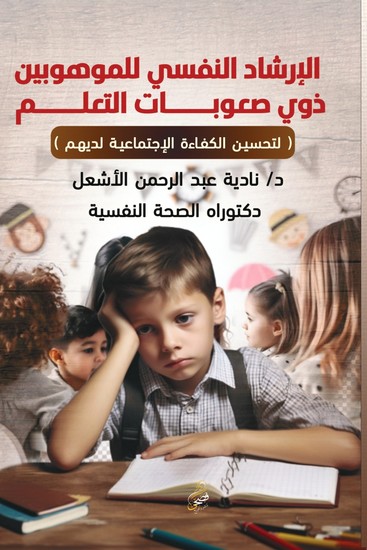
الإرشاد النفسي للموهوبين - ذوي صعوبات التعلم - cover

الإرشاد النفسي للموهوبين - ذوي صعوبات التعلم

سالم عبد العزيز عبد الله

Verlag: فصحى للنشر والتوزيع

  • 0
  • 0
  • 0

Beschreibung

في عالم يعج بالتحديات النفسية والتربوية يأتي كتاب "الإرشاد النفسي للموهوبين ذوي صعوبات التعلم" كمرشد عميق وأداة قيمة للأهالي والمعلمين والمهتمين. الدكتورة نادية عبدالرحمن الأشعل تقدم من خلال هذا الكتاب رؤى مبتكرة واستراتيجيات فعالة لفهم ودعم الموهوبين الذين يواجهون صعوبات في التعلم. الكتاب ليس مجرد مجموعة من النظريات بل هو دليل شامل مليء بالأمثلة العملية والتجارب الحقيقية التي تعكس الخبرة العميقة للكاتبة. باستخدام أسلوب سردي جذاب ومعلومات دقيقة، يجعلك الكتاب تغوص في أعماق النفس البشرية وتكتشف كيفية تحويل الصعوبات إلى فرص للتميز والإبداع.
Verfügbar seit: 27.07.2025.
Drucklänge: 284 Seiten.

Weitere Bücher, die Sie mögen werden

  • How Finland Survived Stalin - From Winter War to Cold War 1939-1950 - cover

    How Finland Survived Stalin -...

    Kimmo Rentola

    • 0
    • 0
    • 0
    A dramatic and timely account of Stalin's failed invasion of Finland in 1939, and the decade of wars and fraught relations that followed 


    In November 1939, Stalin directed his military leaders to launch an invasion of Finland. In what became known as the Winter War, the full might of the Soviet army was pitted against this small Nordic republic. Yet despite their vastly superior military strength, the Soviets suffered heavy losses and failed to mount Stalin's intended full-scale invasion. 


    How did Finland evade Stalin's crosshairs—not once, but three times more? 


    In this groundbreaking account, Kimmo Rentola traces the epochal shifts in Soviet-Finnish relations. From the Winter War to Finland's exit from World War II in 1944, a possible Soviet-backed coup in 1948, and Moscow's designation of Finland as an enemy state in 1950, Finland was forced to navigate Stalin's outsize political and territorial demands. Rentola presents a dramatic reconstruction of Finland's unlikely survival at a time when the nation's very existence was at stake.
    Zum Buch
  • The Bell Pepper - cover

    The Bell Pepper

    Sherman T. Hancock

    • 0
    • 0
    • 0
    All dick is not the same! Some are long, and some are short. Some are skinny, some are girthy, some curve, and some have extra skin covering the head. I can repeatedly list countless differences we hear about through comedians, influencers, personalities, and radio and talk show hosts. You see women discussing it on various platforms, laughing to their heart’s content with their fellow sisters, and we, as men, accept this fact and what it means when it comes to our sex, but what about the reverse?  
    It seems no one talks about the different things that make up “good poon.” I mean, yes, there is the “smelly poon” remark that gets thrown around, and now and again, you’ll hear things about a “deep, loose poon” or a “roast beef poon,” but is that all it comes down to? Are you suddenly in the top 1% if you do not subscribe to those phrases?  
    I’m here to tell you no. Just like women, men too have talked about the size, the shape, the inside, and many more aspects that all go into what we consider to be “good poom poom,” and we’ve discussed it at length, behind closed doors, details of the feminine parts that never make its way to the town square. No man is loud enough, bold enough, or cares enough to sing the song of the thing that eats the thong, but I, Sherman T. Hancock, have sung!  
    So, I present to you the Opera of the Bell. Pull the feet of this book close to the edge of the bed, open its legs, lick your fingers and turn the pages, move that leaf to the side, and stick your face in it. I promise you will not stop reading until you have entirely uncovered the secrets hidden deep within this paprika in a bottle, pimento in a bowl, cum inside this capsicum, and discover the Bell Pepper. 
    Zum Buch

  • The Civic Bargain - How Democracy Survives - cover

    The Civic Bargain - How...

    Josiah Ober, Brook Manville

    • 0
    • 0
    • 0
    A powerful case for democracy and how it can adapt and survive—if we want it to 


    Is democracy in trouble, perhaps even dying? Pundits say so, and polls show that most Americans believe that their country's system of governance is being "tested" or is "under attack." But is the future of democracy necessarily so dire? In The Civic Bargain, Brook Manville and Josiah Ober push back against the prevailing pessimism about the fate of democracy around the world. Instead of an epitaph for democracy, they offer a guide for democratic renewal, calling on citizens to recommit to a "civic bargain" with one another to guarantee civic rights of freedom, equality, and dignity. That bargain also requires them to fulfill the duties of democratic citizenship: governing themselves with no "boss" except one another, embracing compromise, treating each other as civic friends, and investing in civic education for each rising generation. 


    Manville and Ober trace the long progression toward self-government through four key moments in democracy's history: Classical Athens, Republican Rome, Great Britain's constitutional monarchy, and America's founding. Comparing what worked and what failed in each case, they draw out lessons for how modern democracies can survive and thrive.
    Zum Buch
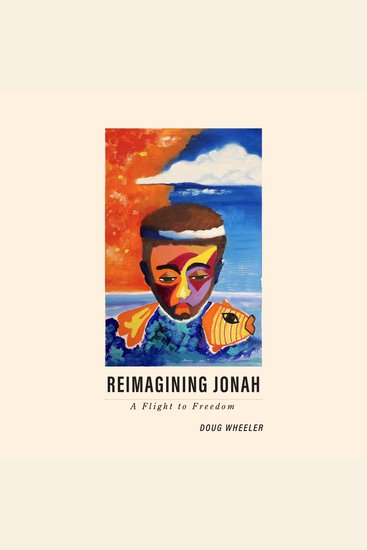
  • Reimagining Jonah - A Flight to Freedom - cover

    Reimagining Jonah - A Flight to...

    Doug Wheeler

    • 0
    • 0
    • 0
    What would cause a proclaimed prophet to run away from everything he called home and dodge the 
    unyielding God of his tribe? Devoted to an uncompromising commitment to selfhood, Dr. Doug Wheeler 
    challenges the traditional assumption that Jonah was a miserable coward by examining him as a deeply 
    conflicted, courageous, and soulful man. With a poetic flair, Reimagining Jonah provokes and confounds 
    with language flavored by trauma and empathy, producing a richly contemplative and profoundly human 
    version of this well-known tale. 
    “Here is the story of Jonah like you have never heard it before! Doug Wheeler brings to his writing his 
    long wise years as a pastoral therapist. He knows that every story we tell — including Jonah’s — is thick 
    with subterranean transactions and freighted with background. It turns out that the story, in his gifted 
    artistry, is an account of being “born again” in freedom as a true self, engaged with the real world, and 
    partnered with the holy God who is well beyond all of our idols. Wheeler insists in an inescapable way on 
    our being participants in the narrative, with an earnest of good outcomes for our role in the story that is as 
    contemporary as it is ancient.” 
    — Walter Brueggemann, Professor Emeritus of Old Testament, Columbia Theological Seminary
    Zum Buch
  • Healing with Trauma-Focused DBT - A Trauma Survivor’s Guide to Manage Intense Emotions and Reclaim Your Life with Polyvagal Theory and Dialectical Behavior Therapy - cover

    Healing with Trauma-Focused DBT...

    PhD Kirby Reutter

    • 0
    • 0
    • 0
    If you've experienced trauma, your nervous system may be stuck in "fight-or-flight" mode—leading to symptoms such as hypervigilance, extreme anxiety, and distrust of others. You may struggle with intense emotions, or have nightmares and flashbacks. And you may even experience physical symptoms such as an upset stomach, a pounding heart, or shakiness. This compassionate guide offers a breakthrough approach to bring your mind and body back into balance. 
     
    Healing with Trauma-Focused DBT combines cutting-edge somatic practices from polyvagal theory with evidence-based dialectical behavior therapy (DBT) skills to help you heal unresolved wounds, manage the physical effects of trauma, and find emotional balance. Using the four skills of DBT—mindfulness, distress tolerance, emotion regulation, and interpersonal effectiveness—you'll learn to work through difficult thoughts and feelings and stay grounded in the moment. You'll also discover polyvagal techniques to help you soothe an overwhelmed nervous system and feel safe and at home in your body. 
     
    If you're seeking relief from the mental, emotional, and physical effects of trauma, this workbook offers innovative strategies and exercises to help you move beyond experiences of your past and find your way back to peace, stability, and the life you want.
    Zum Buch
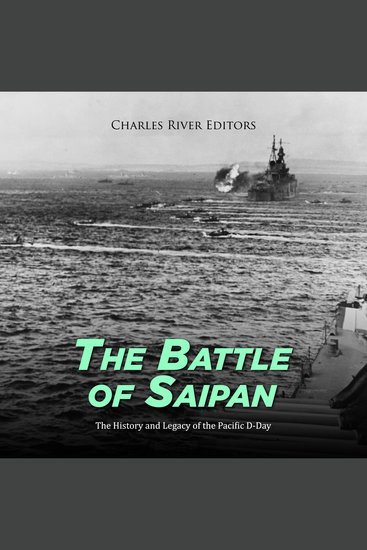
  • Battle of Saipan The: The History and Legacy of the Pacific D-Day - cover

    Battle of Saipan The: The...

    Editors Charles River

    • 0
    • 0
    • 0
    Just over one week after the landings in Normandy, American troops took part in a massive amphibious invasion of Saipan, but intense public interest in operations in Europe meant that this invasion received less media coverage at the time, and it has been the subject of far less interest from historians and writers since. Part of the reason seems to be the different perception of the war in the Pacific. During the war in Europe, Allied troops were, for the most part, welcomed as liberators by the inhabitants of the countries they occupied. Combat was generally conducted according to the accepted rules of war, with troops who surrendered becoming prisoners of war.  
    	In the Pacific Theater, combat was very different. The clash between American and Japanese troops was not just a battle between two modern nations; it was a conflict between two very different cultures and ideologies. Many Japanese soldiers fought according to the tenets of Bushido, the ancient warrior code first employed by the Samurai. This held that death was infinitely preferable to surrender, and that suicide was regarded as a legitimate and even praiseworthy act. The Japanese soldiers who did surrender were regarded with contempt, and enemy soldiers who fell into Japanese hands were treated with extreme cruelty. To American soldiers, the Japanese troops they encountered seemed to fight with fanatical zeal.  
    	As a result, the fighting on Saipan was bloody and intense. Although the battle lasted less than one month, almost 50,000 soldiers died or became casualties on the island, and many Japanese soldiers chose death, either through suicide or assaults on the enemy that had no real prospect of success. Civilians also suffered horrendous casualties on Saipan - more than 20,000 died, with many committing suicide rather than becoming prisoners of the Americans. 
    Zum Buch